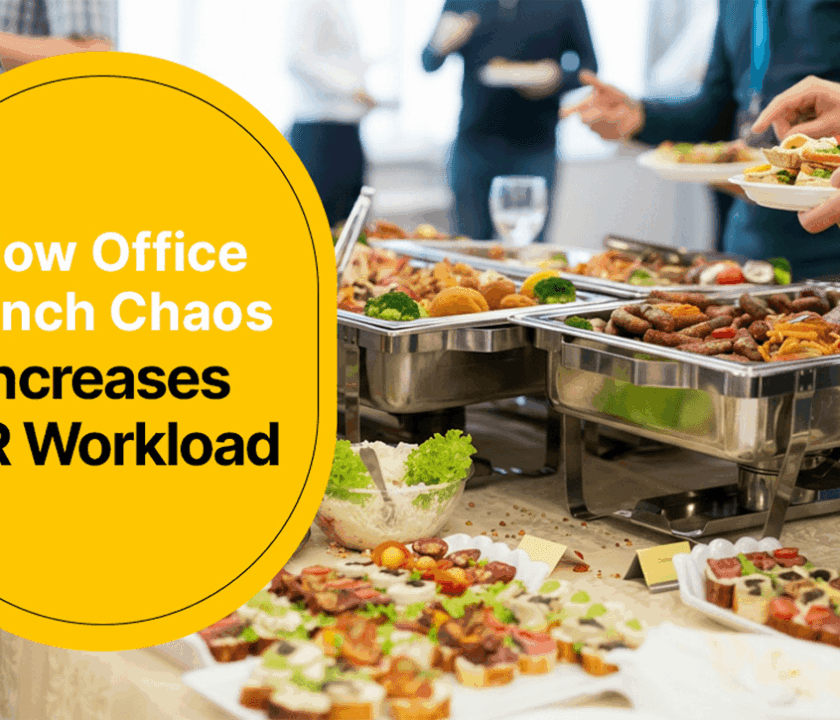
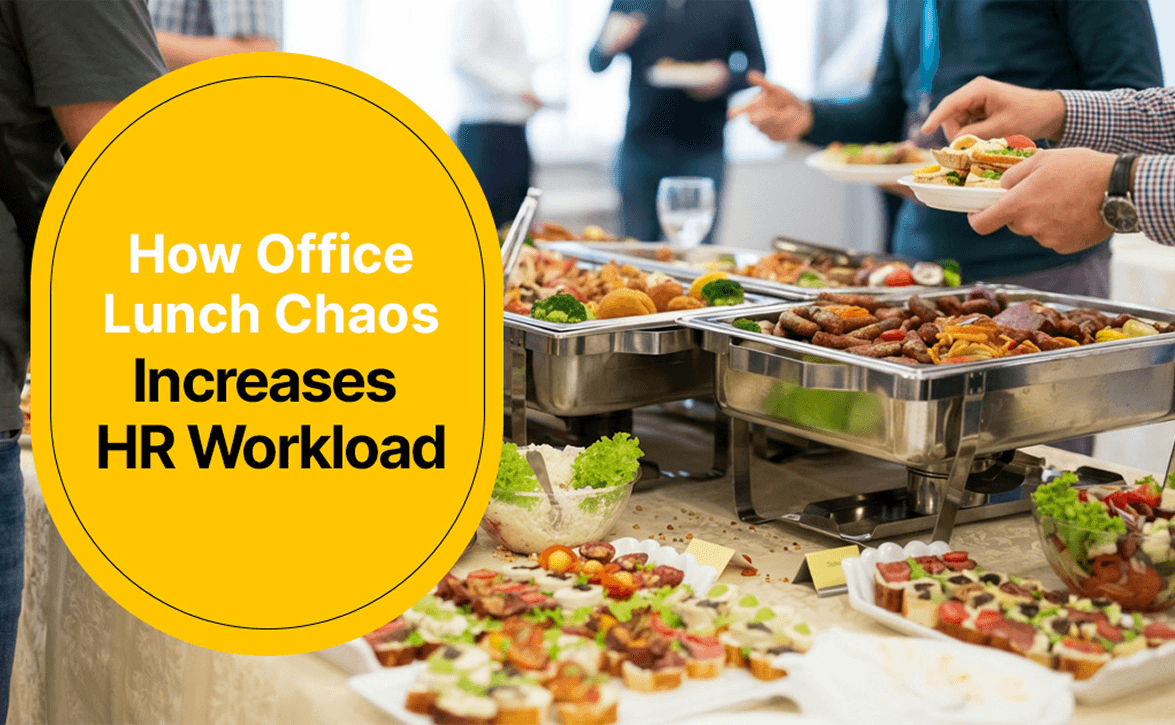
How Office Lunch Chaos Increases HR Workload
Office lunch is supposed to be simple, but it often isn’t. What should be a simple mid-day break often turns into unanswered questions, delayed meals, and frustrated employees looking for a stopgap solution. When food plans are unclear, HR teams become the default problem-solvers, even though managing meals is not part of their core responsibility.
Every missed delivery or confusing lunch arrangement quietly adds to the workload. HR professionals find themselves handling complaints, calming employees, and chasing vendors instead of focusing on hiring, engagement, and culture. For offices managing corporate meals in Mohali, even minor lunch delays can create unnecessary pressure for HR teams.
Employees feel the impact too. Skipped meals or late lunches drain energy and reduce focus during the afternoon. Many offices searching for corporate food in Chandigarh are not just looking for food providers, but for reliability and structure.
A well-managed corporate meals service brings clarity to lunch routines, supports employee experience, and helps HR teams regain control of their time.
Daily Office Lunch Problems That Add to HR’s Workload
Office lunch problems rarely feel urgent, but for HR teams, they show up every single day. When there is no structured lunch system, small food-related questions slowly turn into operational distractions. Over time, HR becomes the point of contact for issues they were never meant to manage, adding pressure to an already full plate.
These challenges include:
1. Managing Diverse Dietary Preferences
Modern offices include employees with different food needs, from vegetarian and vegan choices to lighter or low-spice meals. These requests often arrive close to lunchtime, leaving HR to coordinate changes at the last minute. In workplaces searching for “corporate meals near me”, this lack of planning creates repeated follow-ups that eat into productive hours.
2. Chasing Delayed or Missed Deliveries
When lunch arrives late or is incomplete, workdays lose momentum. HR teams end up tracking delivery partners and responding to constant questions. In offices managing corporate meals in Mohali, these delays quickly shift from occasional issues to daily stress points.
3. Handling Complaints Beyond HR’s Control
Issues around food quality, hygiene, or portion sizes often reach HR first. In offices using corporate food in Chandigarh through external vendors, HR is expected to respond even though they have no control over meal preparation or packaging. This constant back-and-forth adds pressure and pulls HR away from core people-focused work.
4. Employees Skipping Meals and Losing Focus
Unclear timings or long waits often push employees to skip lunch entirely. This results in low energy, disengaged afternoons, and slower collaboration across teams.
Partnering with BitesBee corporate meals service helps address these challenges through predictable delivery, structured menus, and consistent quality. With organized corporate meals, lunch boxes, and dependable systems, HR teams can step out of daily lunch coordination and refocus on people, culture, and growth.
The Most Common Office Lunch Mistakes That Overload HR
Many office lunch issues continue simply because they are handled on a day-to-day basis instead of being planned properly. Over time, these small gaps turn into regular HR distractions.
- Treating office lunches as a temporary or flexible setup creates inconsistency. Using rotating vendors or ad hoc lunch boxes forces HR to coordinate changes daily instead of managing a stable routine.
- Keeping roles and communication unclear leads employees to approach HR for menu details, delivery timing, or portion concerns, adding repeated interruptions throughout the day.
- Selecting food vendors based only on cost or proximity often results in uneven quality and late deliveries. In offices using corporate food in Chandigarh, this regularly pushes complaint handling back to HR.
- Overlooking how lunch delays affect meetings and post-lunch productivity causes work schedules to slip, increasing frustration across teams.
- Failing to update meal arrangements as teams grow leads to repeated complaints, more follow-ups, and higher coordination effort for HR.
Individually, these issues seem minor. Together, they quietly turn lunch into a daily operational burden for HR teams.
How Structured Lunches Give HRs Back Their Time
Once office lunches move from an ad-hoc setup to a structured system, HR teams immediately feel the difference in their daily workload. The most noticeable change is fewer interruptions. HR no longer receives constant messages about missing lunch boxes, late deliveries, or last-minute food changes. This creates longer, uninterrupted work blocks for tasks like recruitment, performance reviews, and employee engagement.
Communication also becomes simpler. Instead of acting as a middle layer between employees and food vendors, HR teams operate with a clear process. Meal schedules are known, menus are fixed in advance, and responsibilities are defined. In offices using a reliable corporate meals service, lunch-related emails and follow-ups are reduced significantly within the first few weeks.
Employee sentiment improves as well. When meals arrive on time and meet expectations, frustration levels drop. Employees stop escalating small issues, and HR conversations shift away from complaints toward more meaningful discussions. For corporate meals in Mohali-based offices, this structure brings operational calm during one of the busiest parts of the day.
Most importantly, HR teams regain control of their time. Removing lunch chaos does not just improve meals; it restores focus, reduces burnout, and allows HR to do the work they were hired to do.
Why HR Teams Choose BitesBee Over Typical Meal Providers
When HR teams evaluate corporate meal partners, the real difference shows up in daily operations, not in promises. Many corporate food providers focus on delivering meals, but overlook consistency, hygiene, and communication. Over time, this creates extra coordination work for HR. BitesBee is designed to remove these friction points rather than add new ones.
A Practical Comparison HR Teams Actually Notice
|
Key Area |
BitesBee Corporate Meals |
Other Corporate Food Providers |
|
Meal Quality & Hygiene |
Consistent quality with clear hygiene standards followed daily |
Quality and hygiene often vary based on vendor availability |
|
Menu Flexibility |
Vegetarian, non-vegetarian, vegan, and light meals without daily HR intervention |
Limited choices lead to frequent employee complaints |
|
Delivery Reliability |
On-time delivery for daily lunches and corporate meal events |
Delays and incomplete deliveries are common |
|
HR Coordination Effort |
Minimal follow-ups due to structured processes |
Frequent calls and issue resolution required |
|
Meal Formats Supported |
Daily lunches, corporate food lunch boxes, and team events |
Often restricted to basic lunch delivery only |
|
Operational Consistency |
Scales smoothly as teams grow |
Struggles with consistency for larger offices |
This difference directly affects HR workload. With inconsistent providers, HR teams spend time tracking drivers, addressing food complaints, and managing last-minute changes. With BitesBee, meals follow a predictable system. Menus already account for dietary diversity, deliveries arrive on schedule, and communication stays clear.
For offices managing corporate meals in Mohali, this reliability becomes a long-term advantage. Whether it’s regular lunches, corporate food lunch boxes, or planned corporate meal events, HR teams are no longer pulled into daily coordination. Instead of managing lunch chaos, they gain a stable meal system that quietly supports employee satisfaction and smoother workdays.
Conclusion
Office lunch chaos may seem minor, but for HR teams, it adds up quickly. Daily food-related issues drain time, energy, and focus from work that truly matters. When meals are organised, reliable, and thoughtfully planned, one recurring source of stress disappears from the workday.
A structured meal system improves employee experience, keeps teams energised, and reduces the number of interruptions HR has to handle. Smooth lunches lead to calmer afternoons, better engagement, and a workplace that feels more organised overall.
Choosing the right corporate meals service is not about adding another vendor, but about removing a daily burden. With dependable meals in place, HR teams gain back time, employees feel supported, and offices function with less friction. Sometimes, the simplest change makes the biggest difference.