The Hidden Admin Cost of Managing Office Lunches Manually
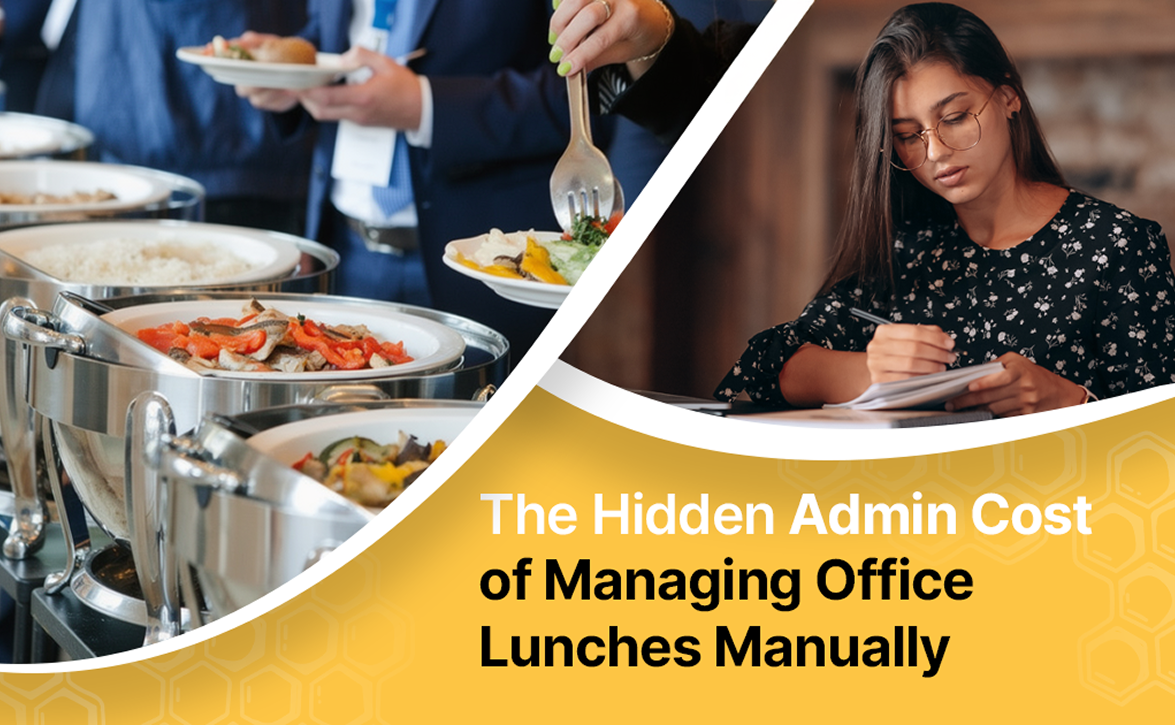
Office lunches rarely feel like something that needs planning or structure. In most offices, they start as a simple arrangement that “just works,” handled between meetings and daily tasks. But as teams grow, lunch planning quietly becomes part of the admin and HR workload without ever being formally assigned. What once took a few minutes a day slowly turns into constant messages, follow-ups, and interruptions that break concentration and delay real work.
This becomes especially visible in offices searching for corporate meals near me, where the expectation is not just food, but dependable timing and consistency. When lunches are managed manually, even small issues like late arrivals or unclear portions trigger repeated distractions. Employees ask for updates, vendors need reminders, and admin teams end up acting as the link between everyone involved. Over time, those small interruptions quietly consume productive hours.
This blog helps you recognise where this hidden admin burden comes from, why manual lunch management drains time and focus, and how a structured corporate meals service can bring order to lunch operations without adding complexity to your day.
The Quiet Productivity Cost of Managing Lunches Manually
Managing office lunches manually doesn’t feel like a problem at first. It usually blends into the workday as a routine task handled between meetings and emails. But over time, it quietly consumes hours through dozens of small interruptions scattered across the day. Each task feels manageable on its own, yet together they slowly overload admin teams.
The day often starts with small checks. Someone needs to confirm the headcount. Another employee asks about menu options. A late arrival wants to be added, while a vendor needs clarification on the order. None of these requests is difficult, but they pull attention away from planned work repeatedly.
As lunchtime approaches, interruptions increase. Employees ask when the food will arrive. A preference is missed. A delivery is delayed, or a lunch box is misplaced. Admin teams step in to call vendors, share updates, and calm frustration. Even offices managing corporate meals in Mohali face these challenges when lunch relies on manual coordination.
After lunch, the work continues. Feedback comes in, complaints need responses, and changes are requested for the next day. For offices searching for corporate food in Chandigarh, the real issue is rarely the meals themselves, but the ongoing effort required to manage them without structure.
The Most Common Office Lunch Mistakes That Overload Admin
Without a structured system, offices often fall into habits that quietly increase administrative workload. These mistakes are not caused by negligence. They happen because lunch management grows organically without clear ownership, defined processes, or advanced planning.
1. Relying on last-minute coordination
When menus and headcounts are finalised at the eleventh hour, admin teams are pulled into daily follow-ups, adjustments, and reminders. Even offices managing corporate meals in Mohali experience how these small tasks interrupt planned work and stretch the day unnecessarily.
2. No formal process for dietary preferences
Requests for vegetarian, vegan, low-spice, or lighter meals are often shared casually and forgotten. Employees repeat the same requests, and admins end up tracking changes repeatedly, creating avoidable back-and-forth.
3. Treating lunch as a “minor” task
Questions about arrival times, portions, or substitutions may seem small on their own, but they pile up quickly. These interruptions break focus and slow down other administrative responsibilities throughout the day.
4. Inconsistent vendor performance
Even offices using corporate food in Chandigarh face issues with quality, hygiene, or delayed deliveries. Admin teams are left managing complaints and follow-ups despite having no control over preparation or logistics.
5. Lack of clear accountability
When no system or process owns lunch operations, admin teams naturally become the default coordinators.
Individually, these issues feel manageable. Over time, they create unnecessary administrative overhead, repeated interruptions, and lost productivity that could be avoided with a dependable corporate meals service.
How a Structured Meal System Reduces Interruptions at Work
The impact of moving away from manual lunch management becomes visible through everyday office behaviour, not big announcements. In offices where lunches are handled informally, admin teams experience constant interruptions long before lunchtime.
Employees ask about delivery status, vendors need confirmations, and small clarifications interrupt planned work. Even after lunch, complaints or adjustments spill into the afternoon, keeping admin teams tied up.
What changes with a structured meal system?
When offices switch to an organised corporate meals service, these interruptions reduce on their own. Lunch timings are known in advance, menus are shared clearly, and deliveries follow a predictable schedule. Admin teams no longer need to answer repeated questions or chase vendors throughout the day.
How do employees respond?
Employees stop hovering around desks because they know when food will arrive. Dietary preferences are handled through the system instead of reminders or messages. In setups using structured corporate foods in Chandigarh, teams often return from lunch faster and settle back into work without delays.
The real outcome
This shift does not feel dramatic, but it is consistent. Fewer interruptions, calmer afternoons, and smoother coordination slowly become the norm. Over time, removing these small daily frictions leads to better focus, improved routines, and a workplace that runs with less effort and less noise.
Why Offices Choose Corporate Meals Over Manual Lunch Management
Most corporate offices do not switch to organised meal solutions because of one big problem. The decision usually comes from noticing how much smoother the workday feels when lunch stops being a daily concern.
- As teams grow, managing lunch manually becomes harder to control, while a structured corporate meals service keeps headcounts, portions, and timing predictable without daily coordination.
- Offices notice fewer interruptions once meals follow a fixed system, because employees no longer ask questions about delivery time or menu availability.
- Consistency becomes a major benefit, especially in workplaces using corporate food in Chandigarh, where structured providers reduce recurring quality and hygiene complaints.
- Admin and HR teams regain time when lunch planning no longer pulls them into follow-ups, vendor calls, or last-minute adjustments.
- Employees return from breaks on time when meals arrive as expected, which keeps meetings, collaboration, and afternoon work on track.
- Leadership begins to see lunch as an operational support, not just a facility, which is why many teams searching for corporate meals near me prioritise reliability over convenience.
In the long run, structured corporate meals reduce friction across the office. They create calmer lunch hours, steadier energy levels, and fewer distractions. For growing offices, choosing organised corporate meals is less about food and more about making the workday run better for everyone.
How BitesBee Helps Reduce the Hidden Admin Cost
BitesBee is built around the real issues admin teams face when office lunches are handled manually. Instead of adding another task to manage, it removes daily coordination from the equation altogether. Admins no longer need to confirm headcounts every morning, follow up with vendors, or respond to repeated lunch-related questions throughout the day.
With structured menus, reliable delivery schedules, and consistent food quality, routine disruptions are simply reduced. Dietary preferences are recorded once and managed within the system, which means fewer last-minute changes and fewer reminders from employees. In many offices, this alone saves several hours each week.
BitesBee supports everyday meals, corporate meal lunch boxes, and team gatherings without increasing admin workload. Whether an office is managing corporate meals in Mohali or depending on corporate foods in Chandigarh, the experience remains predictable as teams expand.
What admin teams notice most is the reclaimed time and mental space. With fewer lunch-related messages, calls, and follow-ups, they can plan their day without constant interruptions. This calm creates room for focused work, smoother operations, and more attention on responsibilities that actually move the workplace forward.
If you are looking for a hassle-free way to manage office lunches without daily coordination, BitesBee corporate meals offer a structured and reliable approach that helps teams stay organised while employees enjoy consistent, well-planned meals.
Conclusion
Manual office lunch management doesn’t fail loudly. It drains quietly. Over time, it pulls HR and admin teams away from work that truly matters, replacing focus with constant coordination.
The hidden admin cost isn’t just time. It’s mental energy, attention, and momentum lost to a task that should be simple. When lunch becomes predictable and structured, that cost disappears without disruption.
A well-managed corporate meals system supports employees, stabilises energy levels, and restores calm to the workday. For HR teams, it means fewer distractions and more space to focus on people, culture, and growth.
Sometimes, the biggest operational improvement comes from fixing the smallest daily friction. Office lunch is one of them. If your team is looking to move away from daily lunch coordination and towards a more reliable, organised approach, BitesBee corporate meals offer a simple way to bring structure and consistency back into the workday.