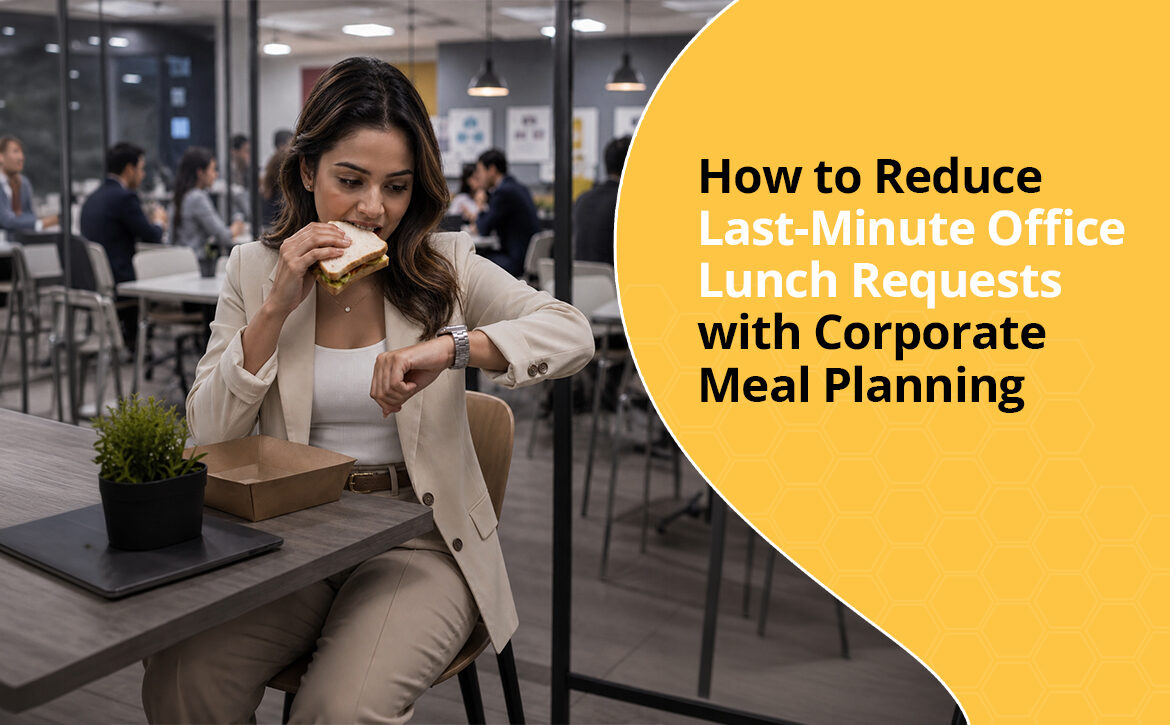
How to Reduce Last-Minute Office Lunch Requests with Corporate Meal Planning

Office lunch planning often looks simple until unexpected meal requests start becoming part of your daily routine. For HR and Admin teams, even a few last-minute requests can interrupt schedules, delay other responsibilities, and make meal coordination more stressful than it needs to be. As employees’ schedules change throughout the day, keeping track of meal counts, food preferences, and delivery timings becomes increasingly difficult without a clear process in place.

Many businesses searching for corporate meals near me are not just looking for a food provider but a reliable way to simplify office lunch management. A structured meal planning system helps reduce confusion, improves coordination, and ensures employees receive their meals on time without adding extra work for your team. 

In this blog, you’ll discover why last-minute lunch requests happen, practical ways to prevent them, and how the right corporate meal planning approach can help your office run more smoothly.

Why Last-Minute Office Lunch Requests Keep Happening

Last-minute lunch requests rarely happen because employees intentionally delay their orders. In most offices, they are usually the result of unclear processes, changing schedules, or communication gaps that build up throughout the day.

  • Employees often remember to request lunch only after getting busy with their work, leaving very little time to arrange meals.
  • Meeting schedules sometimes change without notice, increasing the number of meals your office needs to arrange within a short period.
  • Without a fixed meal ordering process, HR and Admin teams spend valuable time collecting requests instead of focusing on their regular responsibilities.
  • Requests coming from different departments through calls, messages, and emails can easily create confusion or duplicate orders.
  • A dependable corporate meals service is designed to manage recurring office requirements more efficiently than placing multiple individual food orders.

When meal planning follows a clear process, your office can avoid unnecessary delays and make lunchtime much easier to manage.

Practical Ways to Reduce Last-Minute Office Lunch Requests

Reducing last-minute lunch requests does not always require major changes. A few simple improvements in your meal planning process can help your office stay organized, reduce unnecessary follow-ups, and make lunch coordination much easier for HR and Admin teams.

1. Set a weekly meal request deadline

Ask employees to submit their meal preferences before the start of each week. A fixed deadline gives your team enough time to confirm the final headcount, plan meals accurately, and avoid rushed orders during office hours.

2. Use a shared meal planning calendar

Maintain a shared calendar where employees can view lunch schedules, office meetings, training sessions, and special events. This helps everyone stay informed and reduces the chances of unexpected meal requests.

3. Plan recurring lunch schedules

If your office follows a regular work routine, creating recurring meal schedules can save valuable time. Instead of collecting fresh requests every day, you can follow a planned system that keeps meal coordination simple and consistent.

4. Understand employee preferences in advance

Keeping a record of common food preferences makes it easier to plan meals that suit your team. Partnering with Catering in Mohali also allows your office to offer flexible menu options without managing separate requests every day.

5. Assign one person to manage meal requests

Having a single point of contact helps avoid duplicate orders, missed updates, and communication gaps. It also makes it easier for your food partner to receive accurate information every time.

These simple planning habits can help your office reduce daily coordination, improve lunch management, and create a smoother experience for both employees and HR teams.

Signs Your Office Needs a Better Meal Planning System

Even if your office has a meal planning process in place, recurring lunch coordination issues can indicate that the current system is no longer meeting your workplace needs. The problem is often not the food itself but the lack of a structured approach that keeps meal planning organized. Identifying these signs early can help you improve daily coordination and create a smoother experience for both employees and your HR or Admin team.

  • Lunch requests continue to arrive after the deadline: Frequent last-minute requests make it difficult to finalize meal counts, resulting in rushed orders and avoidable delays.
  • HR and Admin teams spend too much time managing meals: If lunch planning has become a regular part of your daily workload, it may be affecting time that should be spent on other important responsibilities.
  • Employees regularly report meal-related issues: Complaints about delayed deliveries, incorrect orders, or inconsistent food quality often highlight gaps in the existing process.
  • Different teams order meals separately: Managing multiple vendors or individual food orders creates unnecessary confusion and makes coordination more difficult than it should be.
  • Food expenses are becoming harder to manage: A structured corporate meal service helps your office plan meal budgets more accurately while reducing unexpected costs.

If these challenges sound familiar, reviewing your current meal planning process can help your office build a more reliable system that saves time, improves coordination, and keeps workplace lunches running smoothly.

Why Corporate Meal Planning Works Better Than Daily Ordering

Ordering lunch every day may seem convenient, but it often creates extra work for HR and Admin teams. Collecting meal requests, confirming headcounts, and coordinating with vendors on a daily basis can quickly become time-consuming. A structured meal planning system helps simplify this process by creating a routine that is easy for everyone to follow.

Many offices now prefer corporate meals in Mohali because planned meal programs offer more consistent food quality, reliable delivery schedules, and a better overall experience for employees.

A dependable corporate meals service reduces the need for daily follow-ups by ensuring meals are prepared and delivered according to an agreed schedule. Planning meals in advance also helps your office estimate food requirements more accurately, making it easier to manage monthly meal budgets and reduce unnecessary waste.

Working with a reliable corporate catering service allows your office to handle regular employee lunches as well as workplace events through one trusted partner, making meal coordination simpler, more organized, and easier to manage.

How BitesBee Helps Offices Plan Meals Without Last-Minute Stress

Managing office lunches becomes much simpler when you work with a meal partner that understands the daily routines and challenges of corporate workplaces. BitesBee is built around structured meal planning, helping HR and Admin teams spend less time coordinating food and more time focusing on their core responsibilities.

Here’s how BitesBee supports your office:

  • Planned meal schedules that make daily lunch coordination more organized and predictable.
  • Reliable delivery timings that fit smoothly into your office routine without disrupting work.
  • Flexible meal options that support regular employee lunches as well as office meetings and team events.
  • Simple communication that reduces repeated follow-ups and keeps meal planning hassle-free.
  • Consistent food quality that gives employees a dependable lunch experience every day.

Many businesses looking for corporate catering in Mohali choose BitesBee because it offers a well-organized approach to workplace meal management instead of one-time food arrangements.

Companies searching for corporate food in Mohali also benefit from a reliable meal partner that understands office schedules, manages recurring meal requirements efficiently, and helps create a smoother lunch experience for everyone.

Conclusion

Reducing last-minute office lunch requests is not about putting in more effort. It is about creating a meal planning process that is organized, consistent, and easy to manage. When your office follows a structured system, HR and Admin teams spend less time coordinating meals and more time focusing on important workplace responsibilities. Employees also benefit from timely deliveries, better meal planning, and a smoother lunch experience every day.

Choosing the right meal partner plays an important role in making this possible. Many businesses now rely on corporate meals in Mohali to simplify office lunch management and improve daily coordination without unnecessary stress.

If your office is looking for a reliable way to manage employee meals, BitesBee offers structured meal solutions that help keep workplace lunches organized, timely, and hassle-free.
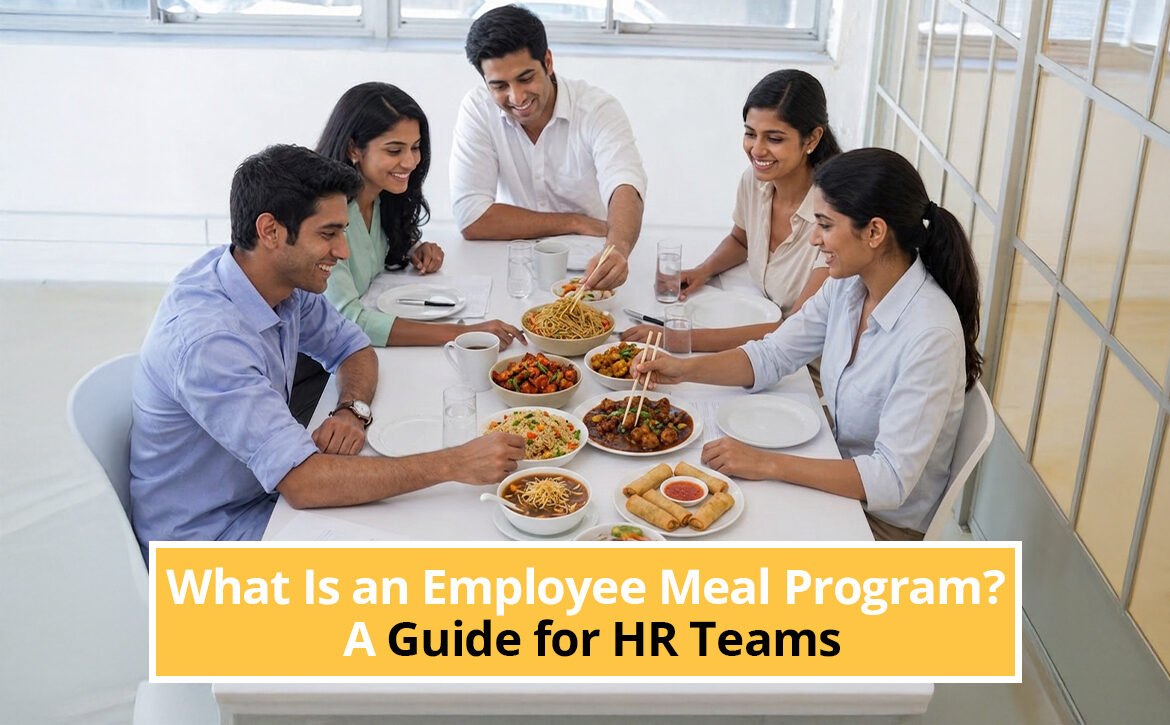
What Is an Employee Meal Program? A Guide for HR Teams

Food has always been a part of workplace culture. A quick lunch with colleagues, an evening snack during a long workday, or a well-planned meal during office hours can do more than simply feed employees. It can improve comfort, reduce daily stress, support better team bonding, and make the workplace feel more organized and employee-friendly.

For HR teams, founders, office managers, and business leaders, this is where an employee meal program becomes valuable.

An employee meal program is not just about ordering food for the office. It is a structured way for a company to provide regular, reliable, and well-managed meals to employees.

Instead of depending on random food orders, multiple vendors, last-minute coordination, or individual reimbursements, businesses can partner with a corporate meal provider to manage employee meals more professionally.

For growing businesses in city like Mohali, employee meal programs can become a practical workplace benefit that supports both employee experience and business operations.

What Is an Employee Meal Program?

An employee meal program is a planned food benefit offered by a company to its employees. It may include daily lunches, breakfast, evening snacks, team meals, special event meals, or customized food plans based on company size, work schedule, and employee preferences.

In simple terms, it gives businesses a reliable way to provide meals at work without the daily hassle of managing vendors, quality checks, food quantity, delivery timing, and employee coordination.

A corporate meal program can be designed in different ways. Some companies may want daily lunch for employees. Some may need breakfast and snacks for early or late shifts. Others may only require meals during meetings, training sessions, team events, or busy work cycles. The right meal program depends on how the company works and what its employees need.

For HR teams, the goal is not only to provide food. The goal is to create a smoother, more thoughtful employee experience.

Why Employee Meal Programs Matter for Businesses

Today, employees expect more from their workplace than salary and basic facilities. They look at the overall work environment, convenience, support, and how much the company cares about their day-to-day experience.

A well-managed office meal program helps businesses show that care in a practical way.

For many employees, arranging meals during office hours can be a daily inconvenience. They may spend time browsing food apps, waiting for deliveries, stepping out during lunch breaks, or dealing with inconsistent food options nearby. When a company provides a structured meal program, it removes one daily decision from the employee’s routine.

That convenience matters.

Employees can focus better, breaks become more organized, and teams get more opportunities to sit together and connect. For businesses, this can contribute to a more positive workplace culture, especially in offices where employees spend long hours on-site.

Key Benefits of an Employee Meal Program

1. Easier Daily Meal Management

Managing office meals every day can become time-consuming, especially as the team grows. HR or admin teams may have to coordinate with vendors, confirm headcounts, handle employee preferences, check delivery timing, manage complaints, and ensure there is no shortage or wastage.

An employee meal program makes this process more structured.

Instead of solving the same food-related problems every day, companies can work with a corporate meal partner that understands regular meal planning. This helps reduce confusion and allows HR and admin teams to focus on more important responsibilities.

2. Better Employee Satisfaction

A good meal during the workday can improve the overall employee experience. It may seem like a small benefit, but it has a direct impact on how employees feel at work.

When meals are planned properly, employees do not have to worry about what to eat, where to order from, or whether food will arrive on time. They can enjoy a more convenient and comfortable workday.

For businesses trying to improve employee satisfaction, corporate meal plans are a practical and visible benefit. Unlike some benefits that employees may not use often, meals are part of daily life. That makes an employee meal program easy to appreciate.

3. Stronger Workplace Culture

Meals bring people together naturally. When employees eat together, they interact beyond work tasks, project updates, and meetings. This helps build stronger relationships inside the workplace.

For HR teams, this matters because workplace culture is not built only through annual events or formal initiatives. It is built through everyday experiences. A shared lunch area, a regular office meal routine, or a planned team meal can encourage informal conversations and better bonding among employees.

In companies where teams work across departments, a meal program can also create more opportunities for collaboration and connection.

4. Reduced Vendor Coordination

One of the biggest challenges in office meal management is dealing with multiple food vendors. One vendor may be good for lunch but inconsistent with timing. Another may offer snacks but not enough variety. A third may struggle with bulk orders.

This creates unnecessary pressure on HR and admin teams.

A corporate meal program simplifies vendor coordination by giving businesses a more reliable system. Instead of managing everything separately, companies can work with a partner that handles meal planning, delivery coordination, menu options, and consistency.

This is especially helpful for businesses that want professional meal management without creating an internal food operations team.

5. Better Control Over Budget

Food expenses can become difficult to track when employees order individually, submit reimbursements, or when office meals are arranged without a clear structure. Costs may vary from day to day, and it becomes harder to predict monthly spending.

An employee meal program helps companies plan their food budget more clearly.

Businesses can choose meal plans based on team size, frequency, meal type, and budget. This allows better cost control while still offering a valuable employee benefit. For founders and finance teams, this makes corporate meal programs easier to manage compared to unstructured food spending.

6. Consistent Meal Quality

Employees quickly notice when food quality changes. If meals are late, portions are inconsistent, or the menu becomes repetitive, the benefit can turn into a complaint.

A good office meal program focuses on consistency.

This includes quality, hygiene, taste, packaging, quantity, and delivery timing. For companies, consistency matters because employee meals should not feel like a daily experiment. They should feel reliable, planned, and professionally managed.

When businesses partner with the right corporate meal provider, they can create a more dependable food experience for their team.

What Should Be Included in a Good Corporate Meal Program?

A strong employee meal program should be flexible enough to match the needs of the company. Not every workplace has the same schedule, team size, budget, or food preference.

A good program may include:

  • Daily lunch plans for employees
  • Breakfast options for early teams
  • Evening snacks or tea-time meals
  • Custom menus based on employee preferences
  • Bulk meal delivery for office teams
  • Special meals for meetings, events, or training sessions
  • Budget-based corporate meal packages
  • Flexible plans for growing teams

The best meal programs are not one-size-fits-all. They are designed around how the company actually operates.

For example, a startup may need a simple daily lunch solution for a small team. A larger office may need multiple meal slots, greater menu variety, and structured coordination. A company with long working hours may need lunch and evening snacks. A business with frequent meetings may need reliable catering-style meal support.

The right corporate meal plan should make office food easier, not more complicated.

Employee Meal Program vs. Random Food Ordering

Many businesses start by ordering food whenever needed. This may work for a small team in the beginning, but it becomes difficult as the team grows.

Random food ordering often leads to inconsistent pricing, delayed deliveries, limited accountability, and extra coordination. Employees may order from different places, delivery partners may arrive at different times, and HR teams may spend unnecessary time managing food-related issues.

An employee meal program creates structure.

It gives the company a defined system for meal planning, vendor coordination, budget management, and employee satisfaction. This makes it more suitable for businesses that want to provide meals regularly, not occasionally.

How to Choose the Right Employee Meal Program

Before selecting a corporate meal partner, businesses should be clear about what they need.

HR and admin teams can start by asking:

  • How many employees need meals daily?
  • Do we need breakfast, lunch, snacks, or all of them?
  • What is our monthly budget?
  • Do employees have common food preferences?
  • How important is menu variety?
  • Do we need meals every day or only on selected days?
  • Who will coordinate internally?
  • How will feedback be handled?

These questions make it easier to choose a meal plan that is practical, cost-effective, and suitable for the team.

The right partner should be able to offer flexibility, quality, consistency, and professional coordination. Most importantly, the program should reduce the company’s workload instead of adding another layer of management.

Where BitesBee Fits In

BitesBee helps companies simplify corporate meals with customized meal plans for their teams. Instead of businesses managing daily food coordination on their own, BitesBee can support them with structured corporate meal solutions based on team size, budget, and office requirements.

For HR teams, this means less time spent on vendor follow-ups and meal planning. For employees, it means a more reliable and enjoyable office meal experience. For founders and business managers, it means a practical employee benefit that supports workplace satisfaction without becoming operationally heavy.

The aim is simple: make office meals easier for businesses and better for employees.

Final Thoughts

An employee meal program is more than a food arrangement. It is a workplace benefit that supports employee comfort, improves daily office experience, reduces admin workload, and helps businesses create a more organized meal system.

For HR teams and business leaders, corporate meal programs offer a practical way to care for employees while keeping operations structured and budgets under control.

As workplaces continue to compete for talent and improve employee experience, benefits that support everyday convenience will become more important. Food is one of the most direct and useful ways to do that.

If your business is looking for a reliable corporate meal program in Mohali, BitesBee can help you explore meal plans designed around your team, schedule, and budget.

Explore BitesBee corporate meal plans or contact the team to request a custom corporate meal plan for your workplace.

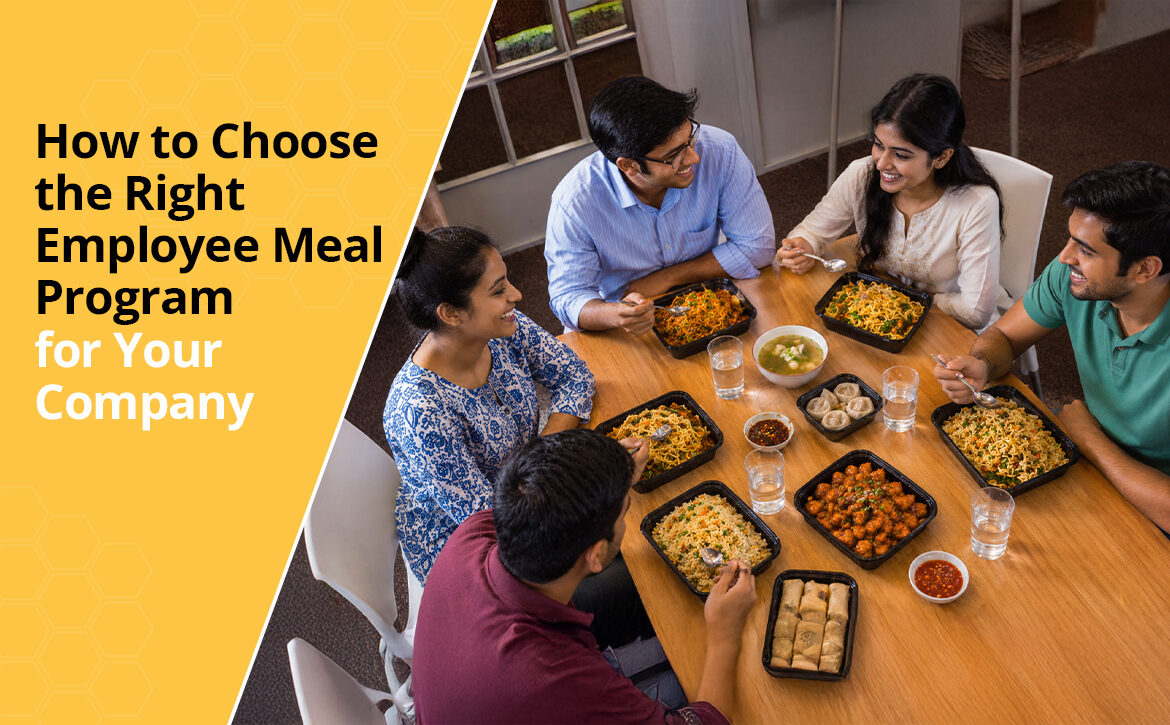
How to Choose the Right Employee Meal Program for Your Company

Choosing an employee meal program sounds simple until you actually have to manage it every working day. HR wants employees to feel cared for. Admin wants lunch to arrive on time. Finance wants clean invoices. Leadership wants a benefit that improves workplace experience without becoming another monthly operational headache.

For companies in Mohali, the problem is not only food. It is time, coordination, consistency, cost, hygiene, employee preference, and daily delivery reliability. When meals are unmanaged, employees spend half their break deciding what to order, admin teams chase vendors, and small issues quickly turn into repeated complaints.

A well-planned corporate meal program solves this by creating a smoother system. Employees get dependable meals, HR improves satisfaction, admin teams reduce daily follow-ups, and finance gets better visibility into spending. That is why searches like “corporate meals near me” are really about convenience, reliability, and a partner who understands office meal operations.

Why Employee Meal Programs Matter for Companies?

Food is part of the workday experience. When employees have access to timely, fresh, and well-managed meals, they spend less energy solving lunch and more energy staying focused.

A strong meal program can reduce long lunch breaks, scattered food orders, delayed deliveries, and confusion over repeated reimbursements. It also shows employees that the company is thinking about their daily comfort in a practical way.

For growing teams, food management can become difficult very quickly. What works for 15 people may fail for 100 people. A structured program brings order to meal counts, delivery timing, employee choice, and billing. Instead of treating lunch as a daily task, companies can turn it into a predictable workplace service.

What to Look for When Choosing the Right Employee Meal Program?

The best meal partner is not always the one with the longest menu or the lowest price. The right choice is the one that fits your team size, office routine, budget, food preferences, and admin process.

1. Understand Your Team’s Real Meal Needs

Start with the basics. Do you need breakfast, lunch, evening snacks, dinner, or occasional team meals? Is your team fully office-based, hybrid, or shift-based? Do meal counts change daily?

This clarity helps you avoid over-ordering, under-ordering, and manual corrections. It also helps the vendor suggest a plan that fits your actual routine instead of selling a generic package.

2. Check Menu Variety and Rotation

Employees may like a new food program during the first week, but repeated meals quickly reduce interest. A good corporate meal partner should offer planned menu rotation across regular meals, healthy options, snacks, beverages, and lighter choices.

The menu should feel suitable for everyday office eating. Employees may want dal, sabzi, roti, rice, wraps, bowls, sandwiches, salads, fruit bowls, and occasional special meals. The goal is not to make lunch fancy every day. The goal is to keep it fresh, balanced, familiar, and enjoyable.

3. Prioritize Hygiene and Food Safety

Food safety should never be treated as optional. Ask how meals are prepared, packed, stored, and delivered. The kitchen should follow proper hygiene standards, packaging should suit office delivery, and food should reach employees fresh.

One poor food experience can quickly erode trust. A reliable provider should have quality checks, complaint handling, and a replacement process when something goes wrong.

4. Evaluate Delivery Reliability

Timing matters in corporate meals. If lunch is delayed, meetings shift, employees get irritated, and admin teams start chasing updates.

When choosing corporate meals in Mohali, check whether the provider understands local office areas, traffic patterns, building access, delivery windows, and bulk order handling. Delivery reliability is not only about reaching the office. It is about reaching on time, with the correct count, proper packaging, and quick support if anything needs attention.

5. Look for Flexible Meal Plans

When choosing corporate meals in Mohali, check whether the provider understands local office areas, traffic patterns, building access, delivery windows, and bulk order handling. Delivery reliability is not only about reaching the office. It is about reaching on time, with the correct count, proper packaging, and quick support if anything needs attention.

A fixed meal plan may not work for every company. Some days you may need 40 meals, other days 70. Employees may be on leave, working remotely, attending meetings, or joining late shifts.

Look for flexible options such as daily meal counts, weekly menus, monthly packages, subsidized meals, employee-paid meals, vouchers, snacks, tuckshop support, party meals, and fruit bowls. Flexibility helps companies manage costs without reducing employee convenience.

6. Give Employees Some Choice

A single fixed meal for everyone can lead to low satisfaction. Employees have different tastes, spice preferences, diets, and appetites. Some want vegetarian food, some prefer lighter meals, and others may want more filling options.

Even two or three choices can improve adoption. When employees choose what they eat, they are more likely to enjoy the program and less likely to waste food.

7. Review Pricing and Billing Transparency

The cheapest vendor is not always the most cost-effective. Low pricing can become expensive if it leads to poor quality, late delivery, complaints, or waste.

Review the pricing model carefully. Does the vendor charge per meal, per package, per employee, or through credits? Are GST details, delivery charges, invoices, and monthly reconciliation clear? Can billing reflect actual meal usage?

Transparent billing matters because meal counts often change. Finance teams need a simple system that does not require repeated clarification every month.

8. Check Ordering and Admin Convenience

A corporate meal program should reduce admin work, not increase it. If your team has to collect orders manually, update spreadsheets, call the vendor repeatedly, and resolve payment confusion, the process is not efficient.

Look for organized ordering, employee-wise tracking, digital meal records, admin dashboards, feedback collection, and clear reporting. This becomes more important as the company grows.

9. Ask About Feedback and Support

No meal program is perfect from day one. Menus may need adjustment, portion sizes may need review, and delivery timing may need fine-tuning.

The right provider should welcome feedback and act on it. Ask how complaints are handled, who responds, how quickly issues are resolved, and whether menus can be improved based on employee response.

10. Take a Trial Before Committing

Before signing a long-term plan, test the service. A trial helps you evaluate taste, freshness, packaging, portion size, delivery timing, and employee response.

During the trial, ask employees simple questions. Was the food fresh? Was the quantity enough? Did it arrive on time? Was the packaging convenient? Would they want this regularly? Their feedback will help you choose with more confidence.

Why Does a Local Meal Partner Make Sense?

A local partner can make daily execution smoother for companies in Mohali because they understand office routines, lunch windows, delivery routes, and employee food preferences better than a generic provider.

Local familiarity matters when meal counts change, security entry takes time, or lunch needs to reach before a fixed meeting slot. A nearby team can usually coordinate faster, respond better, and adjust more practically.

Taste is another advantage. Employees are more likely to enjoy meals that feel familiar and suitable for daily eating. A local provider can balance regular North Indian meals with lighter, healthier, and more varied choices, without making the food feel disconnected from everyday preferences.

For companies searching for corporate meals near me, the best choice is not simply the closest food provider. It is the provider that can serve consistently, communicate clearly, and make office meals easier to manage.

Final Thoughts

If your office in Mohali is spending too much time coordinating lunch orders, checking meal counts, handling complaints, or managing invoices, it may be time to move to a structured solution.

BitesBee’s corporate meals service helps companies simplify employee dining with trial meals, tech-enabled onboarding, finalized meal plans, feedback collection, and meal improvements based on company needs. For teams in Mohali, BitesBee can support daily corporate meals, vouchers, tuckshops, party meals, and fruit bowls, helping HR and admin teams serve employees without turning meals into a daily pressure point.

Instead of managing office food through scattered orders and repeated follow-ups, you can create a reliable meal system that employees enjoy, and teams can run with better control.

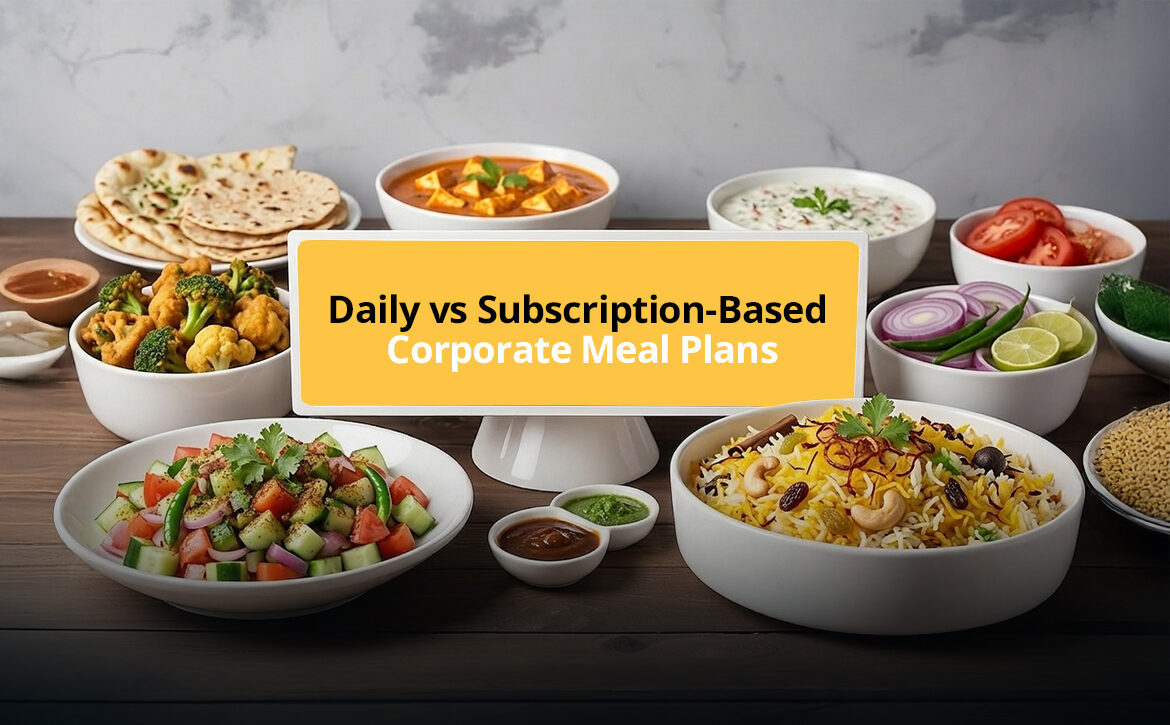
Daily vs Subscription-Based Corporate Meal Plans

Over 70% of Indian offices now include structured meal programs as part of their workplace culture, reflecting how corporate food has evolved from a simple convenience to a tool that supports employee wellbeing and productivity.

In Mohali, where corporate hubs and IT parks are rapidly growing, companies are exploring solutions that ensure meals are timely, hygienic, and enjoyable for employees throughout the day.

As a result, meal coordination has become a regular part of your office operations rather than an occasional task. When you start exploring options for Corporate meals in Mohali, you often come across challenges like delayed deliveries, inconsistent food quality, or difficulty managing different employee preferences. These small issues can quickly build up and start affecting your daily workflow.

This is where having a more structured approach begins to make a real difference. Instead of handling meals day by day, many offices are moving towards systems that bring consistency and reduce the need for constant follow-ups. Choosing the right model can help your office save time, reduce stress for HR and Admin teams, and ensure employees receive meals that meet expectations every day.

In this blog, we will explore the differences between daily and subscription-based corporate meal plans, highlight their advantages and limitations, and guide you in selecting the option that best fits your office needs, so meal planning becomes a smooth and reliable part of workplace operations.

Understanding Daily Corporate Meal Plans

Daily corporate meal plans give your office the option to order meals each day without committing to a long-term schedule. This approach is ideal for workplaces with changing lunch needs or occasional meetings where flexibility is important.

  • Flexible meal choices: With daily plans, your office can select different meals every day according to employee preferences or special events. This ensures lunches stay varied, enjoyable, and satisfying for your team.
  • No long-term commitment: You can start or pause daily meal orders whenever necessary without worrying about subscription terms. For HR and Admin teams, this makes managing meals easier when office schedules or headcounts change.
  • Support for ad-hoc events: Daily plans are convenient for last-minute meetings, client lunches, or impromptu gatherings. Offices searching for Catering Near me can quickly place orders to meet sudden food requirements.
  • Points to keep in mind: Daily meal plans require active coordination with vendors, which can increase the workload for HR teams. There is also a chance of inconsistent food quality or delayed deliveries if the vendor cannot handle frequent daily orders efficiently.

Overall, daily corporate meal plans are well-suited for offices with unpredictable schedules or varying requirements. They provide flexibility and variety but need attentive planning to ensure smooth and consistent meal experiences for your employees.

Why Subscription Meal Plans Are Ideal for Office Lunch

Subscription-based corporate meal plans offer a reliable and structured solution for managing office meals. With this model, your office pays for a fixed number of meals over a set period, such as weekly or monthly, ensuring consistent delivery and quality every day.

1. Predictable scheduling

Subscription plans guarantee that meals are delivered at the same time each day, so employees can enjoy their lunch breaks without delays. HR and Admin teams no longer need to place orders daily or follow up with vendors constantly, which saves time and reduces last-minute stress.

2. Consistent food quality

Subscription-based services provide standardized meals with the same taste, freshness, and portion sizes every day. Offices looking for Corporate meal service in Mohali appreciate this consistency, as it keeps employees satisfied, avoids complaints, and builds trust in the workplace food program.

3. Cost efficiency

Subscription meals are often more economical because bulk ordering allows vendors to offer better pricing. This helps medium to large offices manage food budgets effectively, and predictable monthly costs mean there are no surprises in expenses, even during busy periods or special events.

4. Simplified coordination

These plans manage meal planning, headcounts, and delivery logistics on behalf of your office. HR and Admin teams no longer have to handle complicated spreadsheets or track each day’s order, which frees them to focus on core responsibilities and other office operations.

5. Ideal for structured workplaces

Companies with fixed schedules or large teams benefit the most, as vendors can efficiently plan recurring deliveries while maintaining quality. Subscription meals also make it easier to cater to dietary requirements or recurring office events, ensuring that everyone in the office has a reliable and enjoyable lunch experience.

Using a subscription-based corporate meal plan creates a predictable and organized system for both daily lunches and occasional gatherings. This approach improves the overall employee experience and reduces the coordination burden on HR and Admin teams, keeping workplace operations smooth and efficient.

Key Differences Between Daily and Subscription Plans

When choosing between daily and subscription-based corporate meal plans, your office should consider what works best for your team’s routine and coordination capacity. Understanding these differences can help you make a practical and stress-free decision.

1. Flexibility vs consistency

Daily plans give your office the freedom to choose different meals every day based on preferences, events, or changing team needs. Subscription plans, on the other hand, offer a fixed menu and schedule, which brings stability and reduces the need for daily decision-making. Offices exploring Corporate meals in Mohali often consider this balance when selecting the right approach.

2. Cost considerations

Daily meal orders may cost slightly more per meal because they are placed frequently and in smaller quantities. Subscription plans usually come with better pricing through bulk arrangements, making them more suitable for offices that want predictable monthly expenses.

3. Coordination effort

Daily plans require HR and Admin teams to place orders, track deliveries, and handle changes regularly. Subscription plans simplify this process by setting a fixed schedule, allowing your team to focus on other workplace responsibilities without constant follow-ups.

4. Suitability for office size

Daily plans work well for smaller teams or offices with changing schedules where meal requirements are not fixed. Subscription plans are better suited for medium to large teams that need regular and reliable meal arrangements.

5. Employee experience

Daily meals bring variety and keep lunch options interesting for employees. Subscription plans focus on consistency, ensuring meals meet expectations in terms of quality, taste, and portion sizes every day.

Understanding these differences helps your office choose a meal plan that balances flexibility, cost, coordination, and employee satisfaction in a practical and efficient way.

BitesBee’s Daily and Subscription Meal Solutions for Mohali Offices

BitesBee understands that every office has different meal requirements depending on team size, schedules, and daily operations. For offices in Mohali, it offers both daily and subscription-based meal solutions designed to reduce coordination challenges for HR and Admin teams.

  • Structured support for subscriptions: BitesBee creates a reliable system with fixed delivery schedules, consistent meal quality, and easy tracking. This helps your team avoid daily follow-ups and ensures a smooth meal experience for employees.
  • Flexible daily meal services: For offices with changing schedules or last-minute requirements, BitesBee provides daily meal options that can be adjusted based on team preferences or special events.
  • Timely delivery for office routines: Meals are delivered on time, whether you choose daily orders or subscriptions, so employees can take their lunch breaks without delays or interruptions.
  • Support for office events: BitesBee also helps manage team lunches, celebrations, and meetings with well-organized Corporate meals Events, making planning easier for your office.

With this balanced approach, BitesBee stands out as a dependable Corporate catering service in Mohali that supports your office needs while reducing coordination effort.

Conclusion

Choosing the right corporate meal plan can directly improve how smoothly your office runs and how satisfied your employees feel. Daily meal plans work well when your schedules keep changing, as they give you the flexibility to adjust meals based on your needs. Subscription plans, on the other hand, bring consistency with fixed delivery times, stable quality, and better cost control for your office.

When you clearly understand these differences, it becomes easier for you to reduce coordination stress and ensure meals meet employee expectations every day. Offices looking for Corporate catering in Mohali benefit from working with a partner who understands workplace needs and delivers meals in a reliable and organized way.

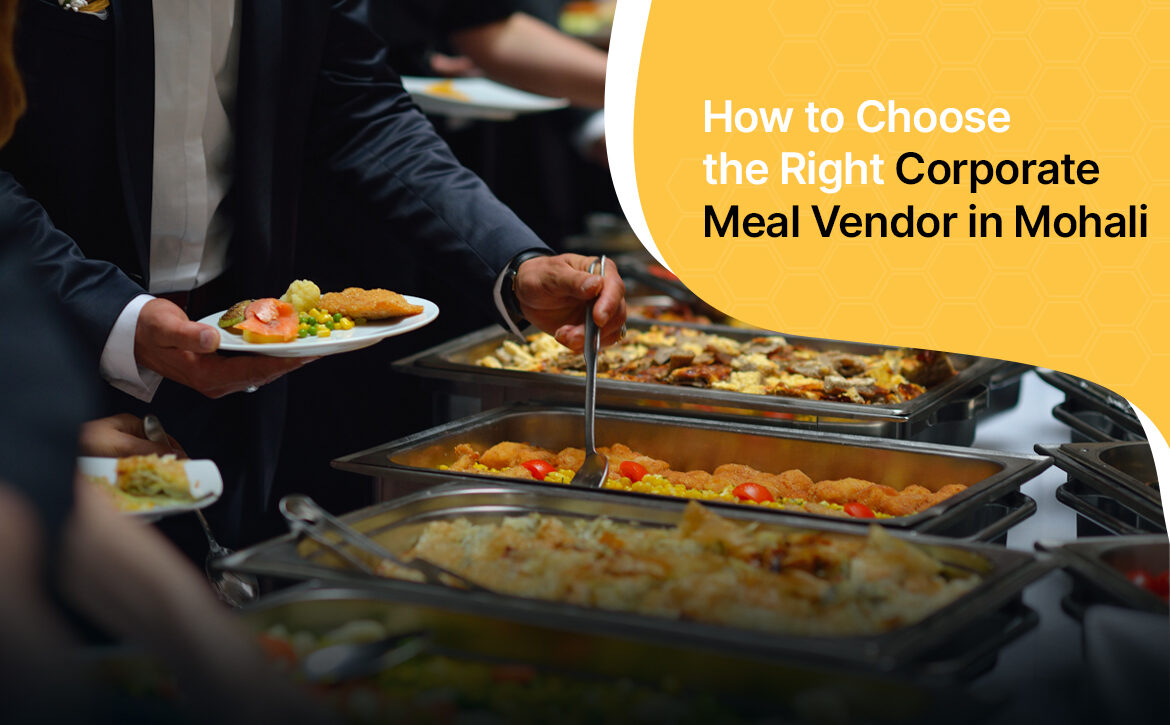
How to Choose the Right Corporate Meal Vendor in Mohali

As offices continue to expand in Mohali, HR and Admin teams often find themselves managing more responsibilities beyond regular operations. One task that quietly becomes challenging over time is coordinating meals for employees. Many teams begin by searching online for corporate meals near me, hoping to quickly find a reliable vendor who can handle office requirements smoothly.

However, selecting the right provider is rarely as simple as it seems. When you start evaluating nearby corporate catering options, questions about food quality, portion sizes, delivery timing, and vendor coordination quickly come into focus. Even a small delay or poorly managed delivery can disrupt meeting schedules and affect the overall office routine.

This is why many growing companies prefer working with providers who specialize in corporate meals in Mohali, where meal planning is handled with proper structure and consistency. Some offices also explore general catering in Mohali, but soon realize that corporate environments require a different level of planning and reliability.

In this blog, you will learn what to look for in a meal vendor, common mistakes offices make, and how a structured corporate catering service can simplify office food management.

Key Factors to Consider When Choosing a Corporate Meal Vendor

Choosing a corporate meal vendor may seem simple at first, but many HR and Admin teams soon realize that the decision affects daily office operations more than expected. In growing offices across Mohali, food arrangements are no longer occasional tasks but part of regular workplace coordination. Many teams start looking online for a meal provider, hoping to quickly find a reliable partner who can manage office meals without creating extra work for the team.

However, choosing the right vendor involves more than just looking at menu options. If you are arranging corporate meals in Mohali, it is important to focus on reliability, smooth coordination, and consistent service.

Some key factors you should consider include:

  • Consistent food quality and portion planning: A dependable corporate meals service should deliver the same taste, freshness, and portion balance every time, so your team receives meals that are satisfying without causing shortages or unnecessary food waste.
  • Flexible meal formats for different workdays: Many offices prefer corporate meals lunch boxes during busy schedules, because individually packed meals allow employees to eat comfortably at their desks without disrupting work routines.
  • Experience in managing office events: Vendors who regularly handle corporate meals events understand office timing, entry protocols, and the coordination required for smooth food arrangements.
  • Reliable delivery aligned with office schedules: A professional corporate catering in Mohali provider plans deliveries carefully so meals arrive on time without affecting meetings or team breaks.
  • Ability to support growing teams: Offices that expand quickly often benefit from vendors experienced in providing corporate meals in Mohali and nearby regions, as they usually have the operational capacity to scale services as employee numbers increase.

When you evaluate these practical factors carefully, choosing the right corporate meal partner becomes much easier. A well-structured vendor not only provides good food but also ensures that office meal coordination remains simple, reliable, and stress-free for your team.

Mistakes to Avoid When Choosing Corporate Meals in Mohali

Selecting a catering vendor for your office may seem like a simple task, but many HR and Admin teams realize later that the wrong choice can create daily coordination problems. In growing corporate environments, meal planning requires reliability, clear communication, and an understanding of office schedules. When teams quickly search online for catering near me, they often see many vendors listed, but not all of them are prepared to handle structured office meal coordination.

Similarly, when offices search for corporate meals, the focus sometimes remains on availability rather than on the vendor’s understanding of corporate requirements. This is where many offices unintentionally make decisions that lead to avoidable challenges later.

Some common mistakes include:

  • Choosing vendors mainly based on lower pricing without evaluating their service structure often results in inconsistent food quality or unreliable delivery when the office depends on regular meals.
  • Selecting a general catering service provider who mainly handles weddings or private events and may not be familiar with the structured coordination required for office environments.
  • Not confirming delivery reliability in advance, which can create disruptions in work schedules when meals arrive late or without proper coordination.
  • Ignoring menu flexibility, even though offices often have teams with different food preferences, dietary needs, or varying meal formats during the week.
  • Poor coordination for catering lunch boxes or buffet arrangements can lead to confusion during distribution if planning is not handled properly.

Many offices also rush decisions when searching for corporate food, assuming that all vendors operate similarly. However, workplaces require vendors who understand security access, delivery timing, and organized meal distribution.

When you evaluate vendors carefully and avoid these common mistakes, it becomes much easier to select a partner who can support your office operations smoothly.

How Structured Corporate Meal Services Improve Office Food Management

Managing office meals often becomes more complicated as teams grow and work schedules become busier. Many HR and Admin professionals realize that coordinating meals manually every day can quickly turn into a time-consuming responsibility. When offices start looking for corporate foods in Mohali, they are usually searching for a solution that brings more structure and reliability to their meal planning.

A structured meal partner helps simplify food management by introducing organized systems that reduce daily coordination efforts. Instead of handling multiple follow-ups and last-minute changes, your team can rely on a process that works consistently.

Some practical improvements a structured vendor can bring include:

  • Predictable Meal Planning: A reliable corporate meals service helps you plan meals in advance based on team size and schedules, which reduces daily confusion about portions, menus, and delivery timing.
  • Better HR and Admin Coordination: A professional catering service usually offers clear communication channels so your team can easily confirm headcounts, menu preferences, and schedule changes without repeated follow-ups.
  • Flexible Meal Formats: Offices often need different meal arrangements, and providers offering corporate catering lunch boxes make it easy for employees to enjoy organized, desk-friendly meals during busy workdays.
  • Support for Office Gatherings: Vendors experienced in corporate catering events can manage larger team lunches or celebrations with proper planning and professional setup.

When your office works with a structured partner for corporate meals events, meal planning, and delivery becomes more organized, making the entire food arrangement easier for HR and Admin teams to manage. This approach allows them to focus on their core responsibilities while employees enjoy well-organized meals without disrupting the workday.

How BitesBee Makes Corporate Meal Planning Easier for Offices

Have you ever struggled to arrange office meals that arrive on time, suit everyone’s preferences, and do not create extra stress for your HR or Admin team? Many workplaces face this challenge when they try to manage food arrangements while keeping daily operations running smoothly. This is exactly where corporate meals in Mohali need a more organized and dependable approach.

BitesBee understands that offices need more than just a catering vendor; they need a partner who understands workplace routines and team expectations. With well-planned corporate meals lunch boxes, your team receives neatly packed and timely lunches that fit perfectly into the office schedule without disrupting work hours.

For special occasions, meetings, or celebrations, businesses can also plan corporate meals that are organized in advance so the entire experience feels smooth and professional.

A structured corporate meal system helps offices avoid many daily coordination issues and makes food management much easier for internal teams. With the right partner, offices can benefit from:

  • Planned meal coordination for HR and Admin teams
  • Reliable delivery aligned with office schedules
  • Flexible formats for daily lunches and office events

This structured approach also supports growing businesses in Mohali, ensuring corporate meals remain organized and easy to manage as your team expands.

Conclusion

Choosing the right meal partner can make a big difference in how smoothly your office operates every day. When meals arrive on time, portions are planned properly, and delivery coordination is reliable, employees can enjoy their breaks without disrupting their work schedules. This is why many growing offices prefer working with providers who specialize in corporate meals in Mohali.

Many teams begin their search by looking online for corporate meals near me, but selecting a vendor should involve more careful evaluation than a quick search. Reliability, structured planning, and consistency play an important role in daily office meal management.

Some companies also explore general Catering in Mohali, but corporate environments usually require vendors who understand workplace schedules and operational needs.

If your organization is planning team lunches or workplace gatherings, partnering with a structured corporate catering in Mohali provider can help ensure smooth coordination while keeping your team well served.

Corporate Meal Trends in Mohali for 2026

Managing meals at the workplace is not always as straightforward as it seems. Offices regularly arrange food for employee lunches, internal meetings, and occasional team gatherings, and ensuring that everything is planned properly can require consistent coordination. HR and Admin teams often handle these arrangements while also managing several other workplace responsibilities.

Many organizations start their search online for corporate meals near me, hoping to find a vendor who can manage office food requirements without creating extra work for their internal teams. However, selecting the right vendor requires more than simply reviewing menus or comparing prices. Companies need food partners who understand the pace and structure of corporate workplaces.

Businesses planning workplace meals often explore options for corporate meals in Mohali that can support both daily lunches and occasional office celebrations. The right vendor can make meal coordination simple, predictable, and well organized for everyone involved.

As workplace food expectations continue to evolve, offices are becoming more thoughtful about how they plan meals and select vendors. Understanding the current corporate meal trends and knowing what companies expect from providers can help organizations make better decisions for their teams.

Choosing the Right Corporate Meals Provider for Offices in Mohali

Have you ever wondered what offices truly expect from a meal vendor today? As HR and Admin teams manage daily lunches and occasional office events, finding the right partner often becomes an important decision.

As your office grows and schedules become more structured, simply ordering food is no longer enough to keep meal coordination smooth. You need a vendor who understands workplace routines, respects delivery timings, and helps you manage meals without creating extra work for your team.

Many teams start their search by looking for corporate foods near me, hoping to find vendors who understand office requirements and can handle meals reliably.

When you evaluate different options, a few key factors usually make the biggest difference in keeping meal arrangements simple and well organized.

  • Offices prefer vendors who maintain consistent food quality every day, because employees expect meals that are fresh, properly portioned, and satisfying during their lunch breaks.
  • Timely delivery is another important factor, since late meals can interrupt meetings and disrupt work schedules, which is why many companies prefer vendors that provide dependable corporate catering service.
  • Flexibility in meal formats is also important, as some days may require simple lunch boxes while other occasions may involve team gatherings or internal office celebrations.
  • Clear communication with HR and Admin teams helps confirm headcounts, finalize menus, and avoid last-minute confusion during meal coordination.
  • Vendors who understand office entry protocols, security processes, and workplace schedules are better prepared to manage daily food deliveries smoothly.

When you work with a vendor who understands these expectations, meal coordination becomes more predictable, organized, and much easier for your team to manage.

Corporate Meals Trends Businesses Are Following in Mohali

Have you noticed that managing office meals is becoming more structured than it used to be? As teams grow and daily schedules become busier, HR and Admin teams often need better systems to handle employee lunches and workplace food arrangements. Simply ordering food every day is no longer practical for many organizations, especially when teams rely on timely and well-organized meal coordination.

Many companies looking for corporate meals in Mohali are now exploring more organized solutions that help them manage daily food planning without confusion. Offices want meal systems that support employee needs while keeping food management simple for the internal team. As a result, several workplace food trends are gradually shaping how offices plan meals today.

1. Growing preference for structured meal services

Many offices now prefer vendors that provide a reliable corporate meals service instead of placing individual orders every day. Structured meal systems help companies plan lunches in advance, maintain consistency, and reduce the daily effort required from HR and Admin teams.

2. Growing demand for lunch box meals

Packed meals are becoming more common in workplaces, which is why many offices choose corporate meal lunch boxes for regular employee lunches. These meals are easier to distribute, convenient for employees, and help maintain hygiene and portion consistency.

3. More food planning for office events

Corporate celebrations, appreciation lunches, and internal gatherings are now often planned through corporate meal events to ensure that food arrangements remain organized and professionally managed.

4. Buffet setups for team gatherings

For larger office gatherings or milestone celebrations, many companies prefer corporate meals buffet dinner arrangements that allow employees to choose from a variety of dishes in a relaxed setting.

5. Greater focus on reliable local vendors

Businesses searching for dependable vendors often evaluate options providing corporate foods in Mohali to ensure the provider understands office delivery schedules and workplace logistics.

These trends clearly show that workplace food planning is evolving. Instead of treating meals as occasional arrangements, offices are gradually adopting more organized systems that make daily food coordination easier and more reliable.

Common Corporate Food Challenges Offices Still Face

Organized meal arrangements play an important role in keeping the workday running smoothly in many workplaces. What may appear to be a simple task often requires proper coordination to ensure food arrives on time and fits within the office schedule. HR and Admin teams usually oversee these arrangements while managing several other responsibilities across the workplace. Without reliable vendor support, even routine food coordination can sometimes lead to unnecessary confusion.

When companies start exploring options for catering in Mohali, they often expect vendors to handle meal coordination smoothly, but not every provider is experienced in managing the pace and structure of corporate workplaces.

Because of this, several practical challenges continue to affect how office meals are planned and delivered.

  • Food quality may vary between deliveries when vendors do not maintain consistent preparation standards. Employees often expect meals that are fresh, properly portioned, and similar in taste each day, so inconsistency can quickly become noticeable.
  • Delivery timing can also become a concern. When meals arrive later than planned, lunch breaks may feel rushed, and scheduled meetings can get delayed, which disrupts the normal flow of the workday.
  • Limited menu flexibility can create difficulties for growing teams. As offices expand, employees usually have different food preferences or dietary needs that require thoughtful menu options.
  • Office gatherings may require careful planning, and vendors who are unfamiliar with corporate catering events may find it difficult to organize food arrangements efficiently.

When vendors understand these practical workplace needs, meal coordination becomes far more reliable and easier for your team to manage every day.

How BitesBee Helps Offices Manage Corporate Meals in Mohali

Managing office meals becomes much easier when you have a reliable food partner supporting your team. Many HR and Admin teams prefer vendors who can handle daily meal arrangements and office events without adding extra coordination work. This is where structured meal services play an important role in helping workplaces keep food planning organized and predictable.

BitesBee focuses on creating organized food systems that match the routine and pace of corporate environments. Instead of treating office meals as occasional orders, the service is designed to support workplaces that need reliable food coordination every day. Offices looking for dependable corporate meals in Mohali often prefer partners who understand office schedules and can maintain consistent delivery plans.

With a structured approach, BitesBee allows organizations to plan meals in advance so that lunch arrangements remain predictable and easy to manage. Offices can also choose flexible meal formats based on their daily requirements. Many companies prefer corporate meal lunch boxes because they are simple to distribute and convenient for employees during busy workdays.

For team gatherings and celebrations, BitesBee also helps companies organize well-planned corporate meal events without complicated coordination.

Some key benefits offices experience when working with BitesBee include:

  • Structured meal coordination that helps HR and Admin teams manage office lunches with less effort.
  • Reliable delivery schedules designed to match workplace routines and ensure meals arrive on time.
  • Flexible meal formats that support daily lunches as well as team gatherings and celebrations.

With a clear focus on workplace environments, BitesBee supports offices as a reliable corporate meals service provider that understands daily operational needs.

Conclusion

Managing meals for your office can quickly become a daily responsibility as teams grow and schedules become more structured. Corporate offices often need reliable systems that ensure employees receive their lunches on time without creating extra coordination work. When meal planning is organized properly, it helps keep the workday smooth and allows your team to stay focused on their tasks.

Understanding how workplace food expectations are evolving can help you choose vendors more carefully. Many businesses now prioritize consistency, timely delivery, and structured service when evaluating options for corporate catering in Mohali.

When you work with vendors who understand corporate environments, meal arrangements become easier to manage and more predictable for your team. A dependable partner can support daily lunches as well as office gatherings without disrupting your workflow.

If your office is looking for organized workplace food solutions, partnering with a reliable provider offering corporate meals in Mohali can help simplify meal coordination for your team.

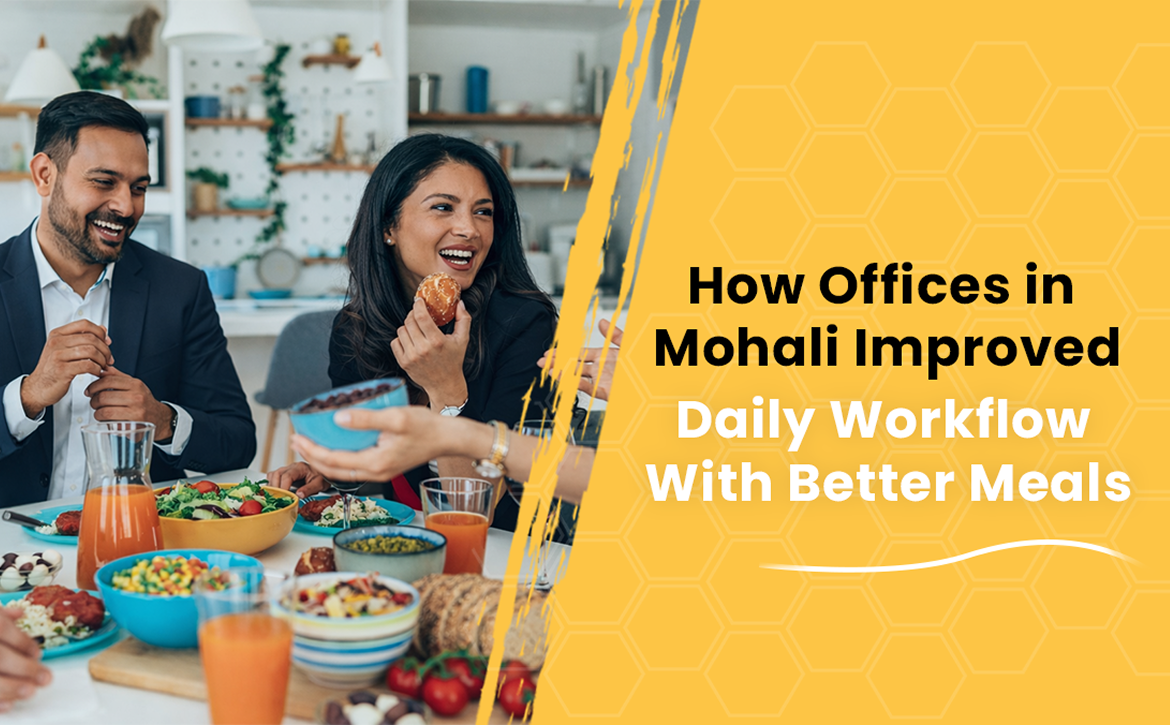
How Offices in Mohali Improved Daily Workflow With Better Meals

In many offices, productivity drops after lunch, even when everything else seems properly managed. If you handle operations or administration, you already know that lunch is not just a routine break; it directly affects how smoothly your team functions in the second half of the day. Companies arranging corporate meals in Mohali often assume that daily meal coordination is simple, but small gaps in planning can quietly disrupt workflow.

When deliveries are delayed or food quality feels inconsistent, employees start searching for lunch options nearby instead of focusing on their responsibilities. Meetings get pushed forward, discussions lose momentum, and your admin team ends up handling avoidable food-related disruptions.

For those who are looking for a practical and sustainable way to improve daily workflow through better meal planning, this guide will help you understand the common challenges and how a structured system can create more stable, productive workdays for your office.

How Poor Lunch Planning Slows Down Office Workflow

Lunch is part of the daily routine, but when it’s poorly managed, it quickly affects the entire workday. Late deliveries, inconsistent portions, or incomplete orders disrupt workflow. Employees pause important tasks, step out for alternatives, or return distracted and behind schedule.

As workflow slows, operations begin to shift. Offices relying on corporate catering in Mohali may experience delayed meetings simply because lunch service was not timely or well-structured. Even minor inconsistencies can push review calls, client discussions, and internal planning sessions off track.

When employees arrange food individually, coordination weakens, and the afternoon schedule becomes uneven. If meal quality fluctuates, energy levels drop, affecting focus and collaboration. At the same time, your admin team spends valuable time resolving food-related concerns instead of concentrating on core operational priorities.

Many companies initially assume convenience is enough when choosing a meal provider. Over time, they realize that reliability, planning, and accountability matter far more. Clear ordering systems, confirmed headcounts, and a structured corporate meal partner help protect productivity and keep daily operations running smoothly.

Main Challenges Offices Face During Lunch Hours

Lunch hours often look simple from the outside, but you may already know how quickly small issues can turn into daily disruptions. Many growing teams arranging corporate meals in Mohali face similar challenges, even if they are not openly discussed in meetings. These problems usually include:

  • Deliveries arriving late, which pushes your meeting schedules forward and affects project timelines, especially on days packed with client calls.
  • Inconsistent food quality when you rotate between vendors instead of working with a dependable corporate meals service that follows clear standards.
  • Missed dietary preferences in larger teams where vegetarian, Jain, or low-spice meals require proper tracking and confirmation.
  • Daily coordination calls and follow-ups that increase pressure on your admin team.
  • Unclear portion planning during corporate meals events, where fluctuating headcounts create confusion and last-minute stress.

When employees start stepping out because they doubt meal reliability, your workflow becomes unstable. If you want a more predictable system, reviewing your current meal process is the first practical step toward smoother daily operations.

What Changes When Offices Switch to a Structured Meal System

When offices shift from managing lunch manually to following a structured meal system, the improvement is not just visible; it is practical and measurable in your daily operations. Instead of reacting to food-related problems every afternoon, you begin working with a predictable process that protects your schedule and reduces unnecessary coordination. Many companies that adopted organized corporate food in Mohali noticed that even small structural changes made a noticeable difference in team discipline and meeting timelines.

  • Fixed and Reliable Delivery Timelines: Meals started arriving at the same time each day, which helped you plan meetings confidently without worrying about unexpected delays or extended lunch breaks.
  • Advance Menu and Headcount Confirmation: With a dependable corporate catering service, menus and team counts were finalized in advance, reducing last-minute calls and portion shortages that often create confusion.
  • Proper Dietary Preference Management: Vegetarian, Jain, and customized meal requests were recorded clearly, especially for teams relying on daily corporate meal lunch boxes, which reduced repeated complaints.
  • Less Pressure on Admin Teams: Instead of solving missing item issues or quality concerns, your admin staff could focus on onboarding, vendor coordination, and core responsibilities.

As structure replaced daily guesswork, employees returned from lunch on time, afternoon reviews ran smoothly, and overall workflow became more stable. When your lunch system becomes reliable, your workday naturally becomes more organized and efficient.

How BitesBee Improves Daily Workflow with Reliable Office Meals

BitesBee was designed to support offices that want structure instead of daily coordination stress. By offering a dependable corporate meals service, BitesBee ensures that menus, delivery schedules, and dietary preferences are clearly managed from the beginning.

For companies looking for organized corporate catering in Mohali, this means you no longer have to manage multiple vendors or handle repeated food complaints. Preferences for vegetarian, Jain, or customized meals are recorded and followed consistently. Whether your team requires daily meals or larger setups like corporate meals or buffet dinners, the planning remains streamlined and predictable.

Many operations heads have shared that once they partnered with a structured provider, lunchtime interruptions reduced noticeably. Admin teams could focus on onboarding, payroll coordination, or vendor negotiations instead of solving lunch-related issues. Teams also benefited from consistent meal timing, which helped maintain energy and discipline during the second half of the day.

If you are currently managing corporate catering events or growing team lunches manually, shifting to a structured system can simplify your operations. BitesBee helps you bring reliability into daily meal planning so your workflow remains smooth and uninterrupted.

Conclusion

Improving your daily workflow is not always about introducing new tools or tightening internal processes. Sometimes, it starts with organizing something as routine as lunch. Offices that invest in reliable corporate meals in Mohali often notice that once meal coordination becomes structured, meetings begin on time, employees return from breaks as scheduled, and afternoon productivity improves naturally.

When your lunch system is predictable, your admin team no longer spends valuable hours resolving food complaints or managing multiple vendors. Even simple arrangements like properly planned corporate meal lunch boxes can bring consistency to busy workdays, while organized setups, such as a corporate catering buffet dinner, help you manage team gatherings without last-minute stress.

If you are ready to simplify your office lunch coordination and protect your team’s daily workflow, consider switching to a structured corporate meals service with BitesBee. With reliable planning, consistent quality, and timely delivery, you can reduce interruptions and create a smoother, more focused work environment for your entire team.

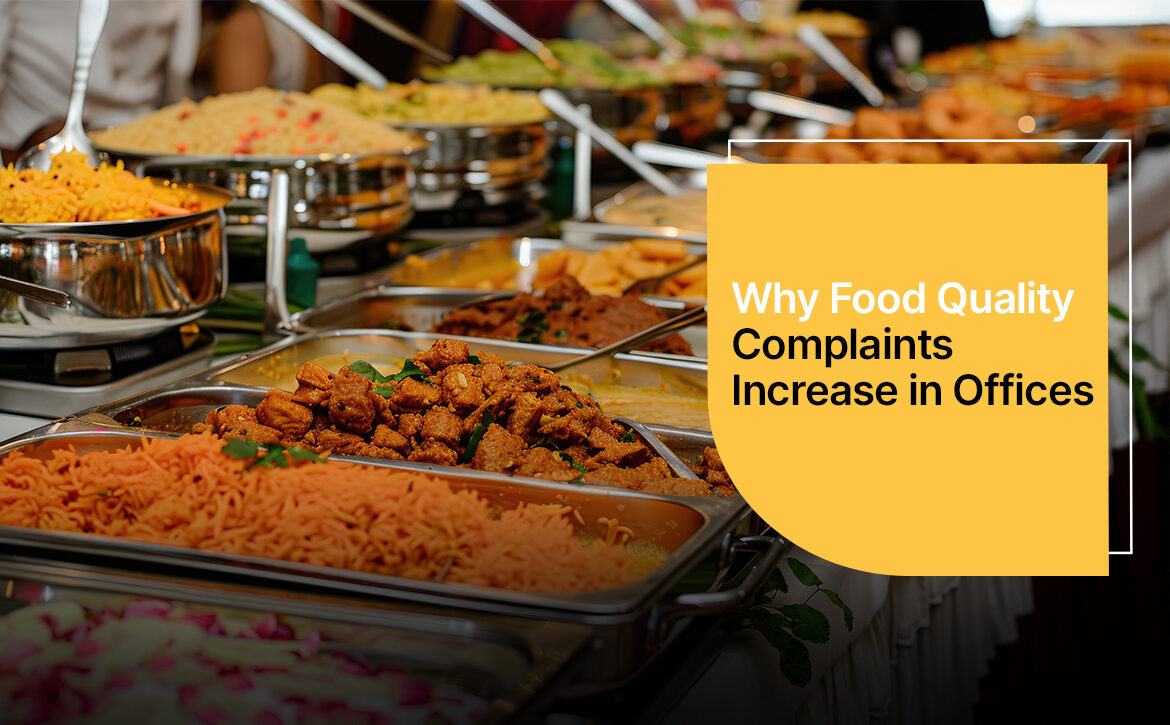
Why Food Quality Complaints Increase in Offices

In many offices, food complaints do not appear overnight. They slowly increase as employees begin noticing repeated issues such as inconsistent taste, smaller portion sizes, delayed deliveries, or meals that do not match their preferences. What looks like a simple daily arrangement often turns into a regular operational concern for admin teams. 

Even companies arranging corporate meals in Chandigarh discover that the real difficulty is not ordering food, but ensuring consistent quality and reliability every single day.

When meals arrive late or dietary requests are missed, employees feel frustrated and distracted during working hours. Admin teams then spend valuable time managing follow-ups, clarifying orders, and handling complaints that could have been avoided with better planning. These repeated interruptions affect morale, productivity, and workplace satisfaction. 

In this blog, we will explore the real reasons behind rising food complaints, practical ways to reduce them, and how a structured corporate meal system can create a smoother and more reliable office lunch experience.

Common Reasons Behind Office Food Complaints

Many offices believe arranging daily meals is simple, but in reality, food complaints usually grow from small and repeated gaps in coordination. These issues may look minor in the beginning, yet over time, they start affecting employee satisfaction and admin efficiency.

Some of the most common reasons include:

  • Inconsistent meal quality: Employees quickly notice when food tastes different every day or when portion sizes change without explanation. Even offices ordering corporate meals in Chandigarh sometimes struggle with variations in spice levels, freshness, or presentation, which leads to repeated feedback during lunch breaks.
  • Late or irregular deliveries: When lunch boxes arrive after the scheduled break time, meetings get delayed, and employees lose focus. Offices depending on corporate catering in Chandigarh often experience workflow disruptions when deliveries are not on time.
  • Miscommunication of dietary preferences: Requests for vegetarian, vegan, or low-spice meals are sometimes missed because there is no structured tracking system. Employees then feel their preferences are not taken seriously.
  • No standardized vendor process: Switching between different vendors under a single corporate meals service can create inconsistency in quality and portions, leaving admin teams overwhelmed by complaints.
  • Unclear portion or menu expectations: Last-minute menu changes or uneven servings often create dissatisfaction.

Individually, these problems may seem small, but when repeated for weeks, they become a significant operational burden for both employees and admin teams.

Smart Ways to Reduce Office Lunch Complaints

Reducing food complaints in offices does not always mean changing everything at once. In many workplaces, the real issue is not the effort to provide good food, but the absence of a clear and consistent system. Offices arranging corporate meals in Chandigarh often notice that once structure is introduced, complaints begin to decline because expectations, quality standards, and delivery timelines become more predictable.

1. Plan Ahead

Confirming menus and final headcounts in advance gives vendors enough time to prepare meals properly. When orders are rushed or adjusted at the last minute, errors become more common. For example, one admin team reduced daily confusion simply by finalizing meal counts before a fixed morning deadline, which significantly lowered missing items and incorrect portions.

2. Track Preferences

Maintaining a proper and updated record of dietary needs, such as vegetarian, vegan, Jain, or low-spice meals, prevents repeated misunderstandings. A structured corporate meals service that stores these preferences ensures employees consistently receive the right meals without daily reminders.

3. Choose Reliable Partners

Consistency improves when offices depend on one trusted provider for corporate meals lunch boxes instead of switching vendors frequently.

4. Structure Daily and Event Meals

Whether managing daily lunches or a corporate meals buffet dinner, planning ahead ensures smoother coordination and better quality control.

If your office is facing repeated food complaints, it may be time to move toward a more dependable system. Explore BitesBee Corporate Meals to simplify daily coordination, ensure consistent quality, and create a more organized and satisfying lunch experience for your team.

How Structured Corporate Meals Service Improves Workflow

When offices move from scattered lunch arrangements to a properly organized system, the change is noticeable not just in food quality but in overall workplace efficiency. Many companies opting for corporate meals in Chandigarh realize that structured planning removes daily confusion and replaces it with clarity, accountability, and consistency. Instead of reacting to complaints, teams begin operating with defined processes and predictable outcomes.

Operational Stability

A structured corporate catering service introduces clear systems that prevent the small errors that usually trigger food complaints.

  • Meals arrive with consistent taste, portion sizes, and presentation, which builds trust among employees over time.
  • Delivery schedules are fixed and monitored, ensuring lunch breaks are not delayed or disrupted.
  • Dietary preferences such as vegetarian, low-spice, or allergen-specific meals are recorded centrally and managed automatically.
  • Vendor communication follows a defined process, reducing last-minute confusion or misinterpretation.

With these systems in place, admin teams spend less time coordinating and more time focusing on strategic responsibilities.

Employee Experience & Workplace Impact

Beyond operations, structured planning improves the overall office environment, especially when managing corporate meals events or a well-organized corporate meals buffet dinner.

  • Employees feel valued when their preferences are respected consistently without repeated reminders.
  • Lunch hours become calmer and more predictable, which helps teams return to work on time and with better focus.
  • Planning daily corporate meals and lunch boxes becomes scalable as the team grows, without increasing stress.
  • Workplace morale improves because food quality and timing are no longer daily concerns.

Over time, structured corporate meal systems create smoother workflows, stronger employee satisfaction, and a more professional office culture that supports productivity instead of disrupting it.

How BitesBee Solves Office Food Challenges

Many offices struggle with repeated complaints because there is no clear system behind daily lunches. BitesBee addresses these gaps by offering a structured corporate meals service that focuses on consistency, timely delivery, and proper coordination. Instead of depending on last-minute calls and manual follow-ups, offices receive planned menus and confirmed schedules that reduce confusion.

For companies arranging corporate meals in Chandigarh, this means admin teams no longer spend their afternoons resolving portion issues or tracking delayed deliveries. Dietary preferences such as vegetarian, Jain, or low-spice meals are recorded in advance, so employees do not have to repeat their requests every day. Whether it is daily corporate meals lunch boxes, or a well-organized corporate meals buffet dinner for team events, the process remains smooth and predictable.

Several HR managers share that once they shifted to a structured system, lunchtime interruptions reduced significantly, and employee feedback became more positive. If your office is looking to simplify coordination and improve consistency, explore BitesBee Corporate Meals to create a more reliable and stress-free lunch experience for your team.

Conclusion

Food complaints in offices usually do not start with one major issue, but with small and repeated gaps in quality, timing, and coordination. When meals arrive late, portions change unexpectedly, or dietary requests are missed, frustration slowly builds among employees. Many companies searching for corporate meals in Chandigarh realize that the real issue is not the food alone, but the lack of a structured system behind it. Over time, these daily problems drain admin energy and affect team morale.

A dependable corporate meals service brings stability by ensuring consistent taste, timely delivery, and proper handling of preferences. Whether it is regular corporate meals, lunch boxes, or a planned corporate catering buffet dinner for events, a structured approach removes confusion and reduces follow-ups. Offices that adopt an organized system notice calmer lunch hours, better employee feedback, and smoother daily operations that allow everyone to focus on meaningful work.

Signs Your Office Needs a Better Lunch Arrangement

Managing office lunches may seem simple on the surface, but in many corporate offices, it slowly consumes valuable admin time without anyone noticing. As teams grow, coordinating headcounts, handling last-minute dietary requests, and following up with vendors gradually take over hours meant for core work.

This is especially common in offices searching for corporate meals near me, where the expectation goes beyond food to consistency and reliability. Small issues like late deliveries, missing items, or miscommunicated preferences turn into daily distractions that break focus. Employees ask repeated questions, vendors need constant reminders, and admin teams are pulled into problems they were never meant to manage.

This blog helps you understand why manual lunch management quietly drains time and energy, highlights the most common mistakes offices make, shares practical ways to avoid them, and outlines the clear signs that indicate your workplace needs a better, more structured lunch system.

Why Manual Office Lunch Planning Slowly Becomes An Admin Burden

Managing office lunches manually rarely feels overwhelming on day one. The strain builds slowly, through small tasks that repeat every single day. For admin teams, these moments add up faster than most offices realise.

  • Daily headcount confusion: Mornings often begin with confirming who is in the office, who is working remotely, and who joined late. This back-and-forth may feel routine, but it interrupts planned work repeatedly.
  • Unplanned menu and preference queries: Employees ask about meal options, portion sizes, or dietary needs, often after orders are already placed. If your office is searching for corporate meals near me, consider a more organized approach that reduces distractions and keeps teams focused.
  • Vendor follow-ups and clarifications: Manual coordination means constant calls to vendors for order confirmation, changes, or delivery updates, especially common with corporate meals in Mohali.
  • Lunchtime interruptions peak: Questions about delivery timing, missing items, or delayed boxes pull admin teams away from critical tasks right when focus matters most.
  • Post-lunch spillover work: Feedback, complaints, and next-day adjustments continue well into the afternoon, a familiar pattern for offices managing corporate foods in Mohali.

Over time, this constant task-switching drains energy and productivity. If you are looking for a hassle-free way to simplify office lunches and reduce daily coordination, a structured corporate meals service like BitesBee corporate meals can help restore focus and consistency without adding admin workload.

Common Mistakes Offices Make When Managing Corporate Meals

Without a structured approach, many offices fall into habits that quietly increase admin workload. These mistakes rarely happen because of poor intent. They usually develop over time when lunch management grows without clear planning, ownership, or systems in place.

1. Relying on last-minute coordination

Menus and headcounts are often finalised just before lunch. Admin teams spend their mornings confirming numbers, sharing updates, and fixing small changes. Even offices managing corporate meal lunch boxes experience repeated interruptions that break focus and delay planned work.

2. No clear process for dietary preferences

Meal preferences are shared casually through messages or conversations. Over time, details get missed or forgotten. Employees repeat the same requests, and admin teams are left sorting through confusion that could have been avoided with a simple system.

3. Treating lunch as a minor task

Questions about delivery time, portion size, or substitutions may seem small. However, when they appear throughout the day, they interrupt concentration and slow down important tasks.

4. Inconsistent vendor performance

Even offices using corporate food in Mohali face delays, quality concerns, or missing items. Admin teams manage complaints and follow-ups despite having no control over preparation or delivery.

5. No clear ownership of lunch operations

When no one officially manages lunch, admin teams become the default problem-solvers. This increases stress and reduces time available for more important responsibilities.

Each of these issues may seem manageable on its own, but together they create ongoing disruptions. Over time, this hidden workload drains energy, attention, and productivity across the office.

How to Avoid These Mistakes

Office lunch problems usually come from unclear planning rather than the food itself. Putting a few basic systems in place can remove most daily friction for admin teams.

1. Plan menus and headcounts ahead of time

Finalising menus and employee counts at least a day in advance prevents last-minute changes that disrupt the workday. When admin teams know exactly how many meals are required and what is being served, they avoid repeated calls, follow-ups, and rushed corrections. Offices using a structured corporate meals service find that lunch coordination becomes predictable instead of reactive.

2. Create a clear system for dietary preferences

Dietary needs should be recorded once and stored centrally, not shared through messages or reminders. A simple system for vegetarian, vegan, or low-spice meals ensures preferences are respected without daily coordination. This is especially important for offices managing corporate meal lunch boxes, where missing details lead to repeated complaints.

3. Work with reliable food partners

Consistent vendors reduce uncertainty. On-time delivery, stable portion sizes, and reliable quality mean admin teams do not need to track orders or manage complaints. Offices depending on corporate food in Mohali benefit most when vendors follow fixed schedules and standards.

4. Set clear accountability for lunch operations

Lunch management should not sit with multiple people. Assigning responsibility to a defined system or role prevents confusion and avoids admin teams becoming default problem-solvers when issues arise.

5. Use structured systems for daily meals and events

An organised approach to corporate meals events and corporate catering lunch boxes allows offices to handle team growth, meetings, and special days without increasing admin effort.

With these steps in place, lunch stops interrupting the workday and become a stable part of office operations.

How BitesBee Simplifies Office Lunch Management

BitesBee is built around the everyday realities admin teams face while managing office lunches. In many workplaces, lunch coordination slowly turns into a daily task list filled with follow-ups, clarifications, and last-minute fixes. BitesBee removes that pressure by replacing manual coordination with a structured and predictable system.

Menus are planned in advance, deliveries follow a fixed schedule, and quality remains consistent. This means admin teams no longer need to track orders or respond to repeated questions. Dietary preferences are handled within the system, so employees do not need to remind anyone each day. For offices using corporate meal lunch boxes or organising a corporate meal buffet dinner for team gatherings, the process stays smooth without extra effort.

Whether teams are managing corporate meals or relying on dependable corporate foods in Mohali, the experience remains stable as the office grows. What admin teams notice most is the regained time and mental space. Lunch hours become quiet and predictable, allowing teams to focus on work that truly matters.

If you are looking for a hassle-free corporate meals service that simplifies daily operations and supports your team consistently, BitesBee Corporate Meals are designed to fit naturally into your workplace routine.

Final Thoughts

Manual office lunch management rarely creates visible problems, but over time, it quietly consumes admin time, mental energy, and daily focus. Small tasks like follow-ups, delivery checks, and handling complaints slowly add stress and pull teams away from meaningful work. This hidden drain often goes unnoticed until productivity and morale start to dip.

A structured corporate meals service brings back predictability to the workday. Admin teams spend less time coordinating lunches, employees receive consistent and balanced meals, and offices run with fewer interruptions. Many workplaces using organised corporate meals notice calmer lunch hours and smoother afternoons.

If you are looking for hassle-free office lunches or reliable support for team meals, BitesBee Corporate Meals offers a structured approach that helps your workplace stay focused, organised, and efficient every day.

The Hidden Admin Cost of Managing Office Lunches Manually

Office lunches rarely feel like something that needs planning or structure. In most offices, they start as a simple arrangement that “just works,” handled between meetings and daily tasks. But as teams grow, lunch planning quietly becomes part of the admin and HR workload without ever being formally assigned. What once took a few minutes a day slowly turns into constant messages, follow-ups, and interruptions that break concentration and delay real work.

This becomes especially visible in offices searching for corporate meals near me, where the expectation is not just food, but dependable timing and consistency. When lunches are managed manually, even small issues like late arrivals or unclear portions trigger repeated distractions. Employees ask for updates, vendors need reminders, and admin teams end up acting as the link between everyone involved. Over time, those small interruptions quietly consume productive hours.

This blog helps you recognise where this hidden admin burden comes from, why manual lunch management drains time and focus, and how a structured corporate meals service can bring order to lunch operations without adding complexity to your day.

The Quiet Productivity Cost of Managing Lunches Manually

Managing office lunches manually doesn’t feel like a problem at first. It usually blends into the workday as a routine task handled between meetings and emails. But over time, it quietly consumes hours through dozens of small interruptions scattered across the day. Each task feels manageable on its own, yet together they slowly overload admin teams.

The day often starts with small checks. Someone needs to confirm the headcount. Another employee asks about menu options. A late arrival wants to be added, while a vendor needs clarification on the order. None of these requests is difficult, but they pull attention away from planned work repeatedly.

As lunchtime approaches, interruptions increase. Employees ask when the food will arrive. A preference is missed. A delivery is delayed, or a lunch box is misplaced. Admin teams step in to call vendors, share updates, and calm frustration. Even offices managing corporate meals in Mohali face these challenges when lunch relies on manual coordination.

After lunch, the work continues. Feedback comes in, complaints need responses, and changes are requested for the next day. For offices searching for corporate food in Chandigarh, the real issue is rarely the meals themselves, but the ongoing effort required to manage them without structure.

The Most Common Office Lunch Mistakes That Overload Admin

Without a structured system, offices often fall into habits that quietly increase administrative workload. These mistakes are not caused by negligence. They happen because lunch management grows organically without clear ownership, defined processes, or advanced planning.

1. Relying on last-minute coordination

When menus and headcounts are finalised at the eleventh hour, admin teams are pulled into daily follow-ups, adjustments, and reminders. Even offices managing corporate meals in Mohali experience how these small tasks interrupt planned work and stretch the day unnecessarily.

2. No formal process for dietary preferences

Requests for vegetarian, vegan, low-spice, or lighter meals are often shared casually and forgotten. Employees repeat the same requests, and admins end up tracking changes repeatedly, creating avoidable back-and-forth.

3. Treating lunch as a “minor” task

Questions about arrival times, portions, or substitutions may seem small on their own, but they pile up quickly. These interruptions break focus and slow down other administrative responsibilities throughout the day.

4. Inconsistent vendor performance

Even offices using corporate food in Chandigarh face issues with quality, hygiene, or delayed deliveries. Admin teams are left managing complaints and follow-ups despite having no control over preparation or logistics.

5. Lack of clear accountability

When no system or process owns lunch operations, admin teams naturally become the default coordinators.

Individually, these issues feel manageable. Over time, they create unnecessary administrative overhead, repeated interruptions, and lost productivity that could be avoided with a dependable corporate meals service.

How a Structured Meal System Reduces Interruptions at Work

The impact of moving away from manual lunch management becomes visible through everyday office behaviour, not big announcements. In offices where lunches are handled informally, admin teams experience constant interruptions long before lunchtime. 

Employees ask about delivery status, vendors need confirmations, and small clarifications interrupt planned work. Even after lunch, complaints or adjustments spill into the afternoon, keeping admin teams tied up.

What changes with a structured meal system?

When offices switch to an organised corporate meals service, these interruptions reduce on their own. Lunch timings are known in advance, menus are shared clearly, and deliveries follow a predictable schedule. Admin teams no longer need to answer repeated questions or chase vendors throughout the day.

How do employees respond?

Employees stop hovering around desks because they know when food will arrive. Dietary preferences are handled through the system instead of reminders or messages. In setups using structured corporate foods in Chandigarh, teams often return from lunch faster and settle back into work without delays.

The real outcome

This shift does not feel dramatic, but it is consistent. Fewer interruptions, calmer afternoons, and smoother coordination slowly become the norm. Over time, removing these small daily frictions leads to better focus, improved routines, and a workplace that runs with less effort and less noise.

Why Offices Choose Corporate Meals Over Manual Lunch Management

Most corporate offices do not switch to organised meal solutions because of one big problem. The decision usually comes from noticing how much smoother the workday feels when lunch stops being a daily concern.

  • As teams grow, managing lunch manually becomes harder to control, while a structured corporate meals service keeps headcounts, portions, and timing predictable without daily coordination.
  • Offices notice fewer interruptions once meals follow a fixed system, because employees no longer ask questions about delivery time or menu availability.
  • Consistency becomes a major benefit, especially in workplaces using corporate food in Chandigarh, where structured providers reduce recurring quality and hygiene complaints.
  • Admin and HR teams regain time when lunch planning no longer pulls them into follow-ups, vendor calls, or last-minute adjustments.
  • Employees return from breaks on time when meals arrive as expected, which keeps meetings, collaboration, and afternoon work on track.
  • Leadership begins to see lunch as an operational support, not just a facility, which is why many teams searching for corporate meals near me prioritise reliability over convenience.

In the long run, structured corporate meals reduce friction across the office. They create calmer lunch hours, steadier energy levels, and fewer distractions. For growing offices, choosing organised corporate meals is less about food and more about making the workday run better for everyone.

How BitesBee Helps Reduce the Hidden Admin Cost

BitesBee is built around the real issues admin teams face when office lunches are handled manually. Instead of adding another task to manage, it removes daily coordination from the equation altogether. Admins no longer need to confirm headcounts every morning, follow up with vendors, or respond to repeated lunch-related questions throughout the day.

With structured menus, reliable delivery schedules, and consistent food quality, routine disruptions are simply reduced. Dietary preferences are recorded once and managed within the system, which means fewer last-minute changes and fewer reminders from employees. In many offices, this alone saves several hours each week.

BitesBee supports everyday meals, corporate meal lunch boxes, and team gatherings without increasing admin workload. Whether an office is managing corporate meals in Mohali or depending on corporate foods in Chandigarh, the experience remains predictable as teams expand.

What admin teams notice most is the reclaimed time and mental space. With fewer lunch-related messages, calls, and follow-ups, they can plan their day without constant interruptions. This calm creates room for focused work, smoother operations, and more attention on responsibilities that actually move the workplace forward. 

If you are looking for a hassle-free way to manage office lunches without daily coordination, BitesBee corporate meals offer a structured and reliable approach that helps teams stay organised while employees enjoy consistent, well-planned meals.

Conclusion

Manual office lunch management doesn’t fail loudly. It drains quietly. Over time, it pulls HR and admin teams away from work that truly matters, replacing focus with constant coordination.

The hidden admin cost isn’t just time. It’s mental energy, attention, and momentum lost to a task that should be simple. When lunch becomes predictable and structured, that cost disappears without disruption.

A well-managed corporate meals system supports employees, stabilises energy levels, and restores calm to the workday. For HR teams, it means fewer distractions and more space to focus on people, culture, and growth.

Sometimes, the biggest operational improvement comes from fixing the smallest daily friction. Office lunch is one of them. If your team is looking to move away from daily lunch coordination and towards a more reliable, organised approach, BitesBee corporate meals offer a simple way to bring structure and consistency back into the workday.