How to Reduce Last-Minute Office Lunch Requests with Corporate Meal Planning
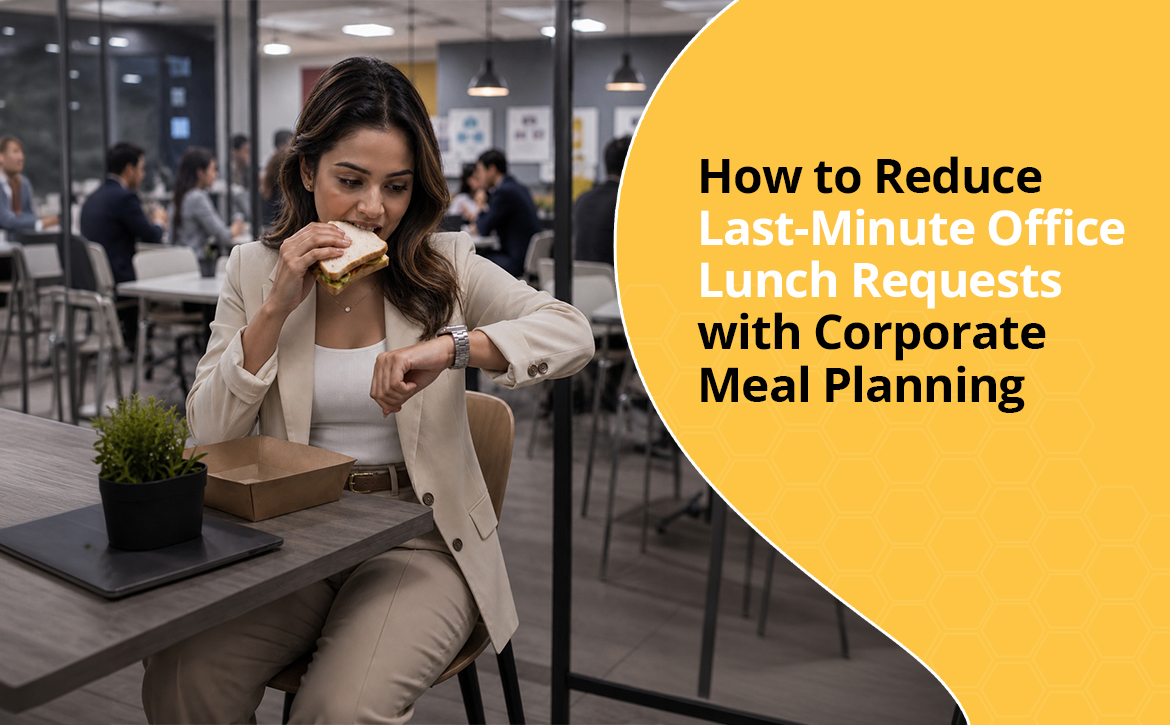
Office lunch planning often looks simple until unexpected meal requests start becoming part of your daily routine. For HR and Admin teams, even a few last-minute requests can interrupt schedules, delay other responsibilities, and make meal coordination more stressful than it needs to be. As employees’ schedules change throughout the day, keeping track of meal counts, food preferences, and delivery timings becomes increasingly difficult without a clear process in place.
Many businesses searching for corporate meals near me are not just looking for a food provider but a reliable way to simplify office lunch management. A structured meal planning system helps reduce confusion, improves coordination, and ensures employees receive their meals on time without adding extra work for your team.
In this blog, you’ll discover why last-minute lunch requests happen, practical ways to prevent them, and how the right corporate meal planning approach can help your office run more smoothly.
Why Last-Minute Office Lunch Requests Keep Happening
Last-minute lunch requests rarely happen because employees intentionally delay their orders. In most offices, they are usually the result of unclear processes, changing schedules, or communication gaps that build up throughout the day.
- Employees often remember to request lunch only after getting busy with their work, leaving very little time to arrange meals.
- Meeting schedules sometimes change without notice, increasing the number of meals your office needs to arrange within a short period.
- Without a fixed meal ordering process, HR and Admin teams spend valuable time collecting requests instead of focusing on their regular responsibilities.
- Requests coming from different departments through calls, messages, and emails can easily create confusion or duplicate orders.
- A dependable corporate meals service is designed to manage recurring office requirements more efficiently than placing multiple individual food orders.
When meal planning follows a clear process, your office can avoid unnecessary delays and make lunchtime much easier to manage.
Practical Ways to Reduce Last-Minute Office Lunch Requests
Reducing last-minute lunch requests does not always require major changes. A few simple improvements in your meal planning process can help your office stay organized, reduce unnecessary follow-ups, and make lunch coordination much easier for HR and Admin teams.
1. Set a weekly meal request deadline
Ask employees to submit their meal preferences before the start of each week. A fixed deadline gives your team enough time to confirm the final headcount, plan meals accurately, and avoid rushed orders during office hours.
2. Use a shared meal planning calendar
Maintain a shared calendar where employees can view lunch schedules, office meetings, training sessions, and special events. This helps everyone stay informed and reduces the chances of unexpected meal requests.
3. Plan recurring lunch schedules
If your office follows a regular work routine, creating recurring meal schedules can save valuable time. Instead of collecting fresh requests every day, you can follow a planned system that keeps meal coordination simple and consistent.
4. Understand employee preferences in advance
Keeping a record of common food preferences makes it easier to plan meals that suit your team. Partnering with Catering in Mohali also allows your office to offer flexible menu options without managing separate requests every day.
5. Assign one person to manage meal requests
Having a single point of contact helps avoid duplicate orders, missed updates, and communication gaps. It also makes it easier for your food partner to receive accurate information every time.
These simple planning habits can help your office reduce daily coordination, improve lunch management, and create a smoother experience for both employees and HR teams.
Signs Your Office Needs a Better Meal Planning System
Even if your office has a meal planning process in place, recurring lunch coordination issues can indicate that the current system is no longer meeting your workplace needs. The problem is often not the food itself but the lack of a structured approach that keeps meal planning organized. Identifying these signs early can help you improve daily coordination and create a smoother experience for both employees and your HR or Admin team.
- Lunch requests continue to arrive after the deadline: Frequent last-minute requests make it difficult to finalize meal counts, resulting in rushed orders and avoidable delays.
- HR and Admin teams spend too much time managing meals: If lunch planning has become a regular part of your daily workload, it may be affecting time that should be spent on other important responsibilities.
- Employees regularly report meal-related issues: Complaints about delayed deliveries, incorrect orders, or inconsistent food quality often highlight gaps in the existing process.
- Different teams order meals separately: Managing multiple vendors or individual food orders creates unnecessary confusion and makes coordination more difficult than it should be.
- Food expenses are becoming harder to manage: A structured corporate meal service helps your office plan meal budgets more accurately while reducing unexpected costs.
If these challenges sound familiar, reviewing your current meal planning process can help your office build a more reliable system that saves time, improves coordination, and keeps workplace lunches running smoothly.
Why Corporate Meal Planning Works Better Than Daily Ordering
Ordering lunch every day may seem convenient, but it often creates extra work for HR and Admin teams. Collecting meal requests, confirming headcounts, and coordinating with vendors on a daily basis can quickly become time-consuming. A structured meal planning system helps simplify this process by creating a routine that is easy for everyone to follow.
Many offices now prefer corporate meals in Mohali because planned meal programs offer more consistent food quality, reliable delivery schedules, and a better overall experience for employees.
A dependable corporate meals service reduces the need for daily follow-ups by ensuring meals are prepared and delivered according to an agreed schedule. Planning meals in advance also helps your office estimate food requirements more accurately, making it easier to manage monthly meal budgets and reduce unnecessary waste.
Working with a reliable corporate catering service allows your office to handle regular employee lunches as well as workplace events through one trusted partner, making meal coordination simpler, more organized, and easier to manage.
How BitesBee Helps Offices Plan Meals Without Last-Minute Stress
Managing office lunches becomes much simpler when you work with a meal partner that understands the daily routines and challenges of corporate workplaces. BitesBee is built around structured meal planning, helping HR and Admin teams spend less time coordinating food and more time focusing on their core responsibilities.
Here’s how BitesBee supports your office:
- Planned meal schedules that make daily lunch coordination more organized and predictable.
- Reliable delivery timings that fit smoothly into your office routine without disrupting work.
- Flexible meal options that support regular employee lunches as well as office meetings and team events.
- Simple communication that reduces repeated follow-ups and keeps meal planning hassle-free.
- Consistent food quality that gives employees a dependable lunch experience every day.
Many businesses looking for corporate catering in Mohali choose BitesBee because it offers a well-organized approach to workplace meal management instead of one-time food arrangements.
Companies searching for corporate food in Mohali also benefit from a reliable meal partner that understands office schedules, manages recurring meal requirements efficiently, and helps create a smoother lunch experience for everyone.
Conclusion
Reducing last-minute office lunch requests is not about putting in more effort. It is about creating a meal planning process that is organized, consistent, and easy to manage. When your office follows a structured system, HR and Admin teams spend less time coordinating meals and more time focusing on important workplace responsibilities. Employees also benefit from timely deliveries, better meal planning, and a smoother lunch experience every day.
Choosing the right meal partner plays an important role in making this possible. Many businesses now rely on corporate meals in Mohali to simplify office lunch management and improve daily coordination without unnecessary stress.
If your office is looking for a reliable way to manage employee meals, BitesBee offers structured meal solutions that help keep workplace lunches organized, timely, and hassle-free.