What Is an Employee Meal Program? A Guide for HR Teams
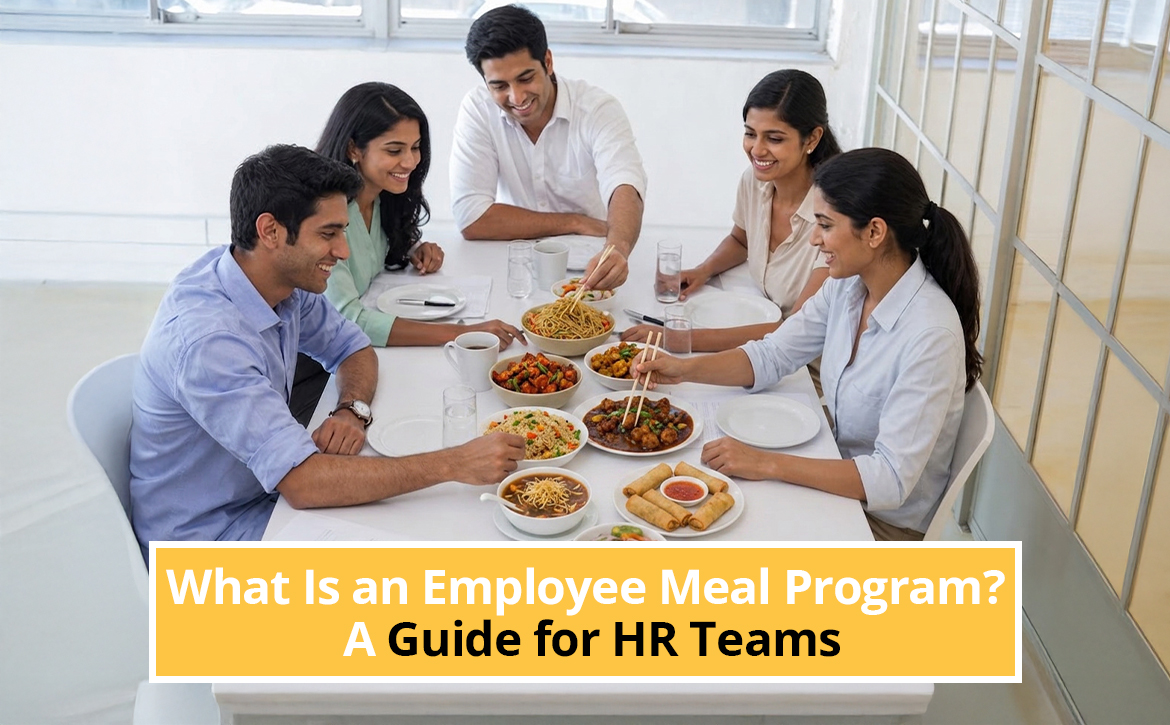
Food has always been a part of workplace culture. A quick lunch with colleagues, an evening snack during a long workday, or a well-planned meal during office hours can do more than simply feed employees. It can improve comfort, reduce daily stress, support better team bonding, and make the workplace feel more organized and employee-friendly.
For HR teams, founders, office managers, and business leaders, this is where an employee meal program becomes valuable.
An employee meal program is not just about ordering food for the office. It is a structured way for a company to provide regular, reliable, and well-managed meals to employees.
Instead of depending on random food orders, multiple vendors, last-minute coordination, or individual reimbursements, businesses can partner with a corporate meal provider to manage employee meals more professionally.
For growing businesses in city like Mohali, employee meal programs can become a practical workplace benefit that supports both employee experience and business operations.
What Is an Employee Meal Program?
An employee meal program is a planned food benefit offered by a company to its employees. It may include daily lunches, breakfast, evening snacks, team meals, special event meals, or customized food plans based on company size, work schedule, and employee preferences.
In simple terms, it gives businesses a reliable way to provide meals at work without the daily hassle of managing vendors, quality checks, food quantity, delivery timing, and employee coordination.
A corporate meal program can be designed in different ways. Some companies may want daily lunch for employees. Some may need breakfast and snacks for early or late shifts. Others may only require meals during meetings, training sessions, team events, or busy work cycles. The right meal program depends on how the company works and what its employees need.
For HR teams, the goal is not only to provide food. The goal is to create a smoother, more thoughtful employee experience.
Why Employee Meal Programs Matter for Businesses
Today, employees expect more from their workplace than salary and basic facilities. They look at the overall work environment, convenience, support, and how much the company cares about their day-to-day experience.
A well-managed office meal program helps businesses show that care in a practical way.
For many employees, arranging meals during office hours can be a daily inconvenience. They may spend time browsing food apps, waiting for deliveries, stepping out during lunch breaks, or dealing with inconsistent food options nearby. When a company provides a structured meal program, it removes one daily decision from the employee’s routine.
That convenience matters.
Employees can focus better, breaks become more organized, and teams get more opportunities to sit together and connect. For businesses, this can contribute to a more positive workplace culture, especially in offices where employees spend long hours on-site.
Key Benefits of an Employee Meal Program
1. Easier Daily Meal Management
Managing office meals every day can become time-consuming, especially as the team grows. HR or admin teams may have to coordinate with vendors, confirm headcounts, handle employee preferences, check delivery timing, manage complaints, and ensure there is no shortage or wastage.
An employee meal program makes this process more structured.
Instead of solving the same food-related problems every day, companies can work with a corporate meal partner that understands regular meal planning. This helps reduce confusion and allows HR and admin teams to focus on more important responsibilities.
2. Better Employee Satisfaction
A good meal during the workday can improve the overall employee experience. It may seem like a small benefit, but it has a direct impact on how employees feel at work.
When meals are planned properly, employees do not have to worry about what to eat, where to order from, or whether food will arrive on time. They can enjoy a more convenient and comfortable workday.
For businesses trying to improve employee satisfaction, corporate meal plans are a practical and visible benefit. Unlike some benefits that employees may not use often, meals are part of daily life. That makes an employee meal program easy to appreciate.
3. Stronger Workplace Culture
Meals bring people together naturally. When employees eat together, they interact beyond work tasks, project updates, and meetings. This helps build stronger relationships inside the workplace.
For HR teams, this matters because workplace culture is not built only through annual events or formal initiatives. It is built through everyday experiences. A shared lunch area, a regular office meal routine, or a planned team meal can encourage informal conversations and better bonding among employees.
In companies where teams work across departments, a meal program can also create more opportunities for collaboration and connection.
4. Reduced Vendor Coordination
One of the biggest challenges in office meal management is dealing with multiple food vendors. One vendor may be good for lunch but inconsistent with timing. Another may offer snacks but not enough variety. A third may struggle with bulk orders.
This creates unnecessary pressure on HR and admin teams.
A corporate meal program simplifies vendor coordination by giving businesses a more reliable system. Instead of managing everything separately, companies can work with a partner that handles meal planning, delivery coordination, menu options, and consistency.
This is especially helpful for businesses that want professional meal management without creating an internal food operations team.
5. Better Control Over Budget
Food expenses can become difficult to track when employees order individually, submit reimbursements, or when office meals are arranged without a clear structure. Costs may vary from day to day, and it becomes harder to predict monthly spending.
An employee meal program helps companies plan their food budget more clearly.
Businesses can choose meal plans based on team size, frequency, meal type, and budget. This allows better cost control while still offering a valuable employee benefit. For founders and finance teams, this makes corporate meal programs easier to manage compared to unstructured food spending.
6. Consistent Meal Quality
Employees quickly notice when food quality changes. If meals are late, portions are inconsistent, or the menu becomes repetitive, the benefit can turn into a complaint.
A good office meal program focuses on consistency.
This includes quality, hygiene, taste, packaging, quantity, and delivery timing. For companies, consistency matters because employee meals should not feel like a daily experiment. They should feel reliable, planned, and professionally managed.
When businesses partner with the right corporate meal provider, they can create a more dependable food experience for their team.
What Should Be Included in a Good Corporate Meal Program?
A strong employee meal program should be flexible enough to match the needs of the company. Not every workplace has the same schedule, team size, budget, or food preference.
A good program may include:
- Daily lunch plans for employees
- Breakfast options for early teams
- Evening snacks or tea-time meals
- Custom menus based on employee preferences
- Bulk meal delivery for office teams
- Special meals for meetings, events, or training sessions
- Budget-based corporate meal packages
- Flexible plans for growing teams
The best meal programs are not one-size-fits-all. They are designed around how the company actually operates.
For example, a startup may need a simple daily lunch solution for a small team. A larger office may need multiple meal slots, greater menu variety, and structured coordination. A company with long working hours may need lunch and evening snacks. A business with frequent meetings may need reliable catering-style meal support.
The right corporate meal plan should make office food easier, not more complicated.
Employee Meal Program vs. Random Food Ordering
Many businesses start by ordering food whenever needed. This may work for a small team in the beginning, but it becomes difficult as the team grows.
Random food ordering often leads to inconsistent pricing, delayed deliveries, limited accountability, and extra coordination. Employees may order from different places, delivery partners may arrive at different times, and HR teams may spend unnecessary time managing food-related issues.
An employee meal program creates structure.
It gives the company a defined system for meal planning, vendor coordination, budget management, and employee satisfaction. This makes it more suitable for businesses that want to provide meals regularly, not occasionally.
How to Choose the Right Employee Meal Program
Before selecting a corporate meal partner, businesses should be clear about what they need.
HR and admin teams can start by asking:
- How many employees need meals daily?
- Do we need breakfast, lunch, snacks, or all of them?
- What is our monthly budget?
- Do employees have common food preferences?
- How important is menu variety?
- Do we need meals every day or only on selected days?
- Who will coordinate internally?
- How will feedback be handled?
These questions make it easier to choose a meal plan that is practical, cost-effective, and suitable for the team.
The right partner should be able to offer flexibility, quality, consistency, and professional coordination. Most importantly, the program should reduce the company’s workload instead of adding another layer of management.
Where BitesBee Fits In
BitesBee helps companies simplify corporate meals with customized meal plans for their teams. Instead of businesses managing daily food coordination on their own, BitesBee can support them with structured corporate meal solutions based on team size, budget, and office requirements.
For HR teams, this means less time spent on vendor follow-ups and meal planning. For employees, it means a more reliable and enjoyable office meal experience. For founders and business managers, it means a practical employee benefit that supports workplace satisfaction without becoming operationally heavy.
The aim is simple: make office meals easier for businesses and better for employees.
Final Thoughts
An employee meal program is more than a food arrangement. It is a workplace benefit that supports employee comfort, improves daily office experience, reduces admin workload, and helps businesses create a more organized meal system.
For HR teams and business leaders, corporate meal programs offer a practical way to care for employees while keeping operations structured and budgets under control.
As workplaces continue to compete for talent and improve employee experience, benefits that support everyday convenience will become more important. Food is one of the most direct and useful ways to do that.
If your business is looking for a reliable corporate meal program in Mohali, BitesBee can help you explore meal plans designed around your team, schedule, and budget.
Explore BitesBee corporate meal plans or contact the team to request a custom corporate meal plan for your workplace.