How to Choose the Right Employee Meal Program for Your Company
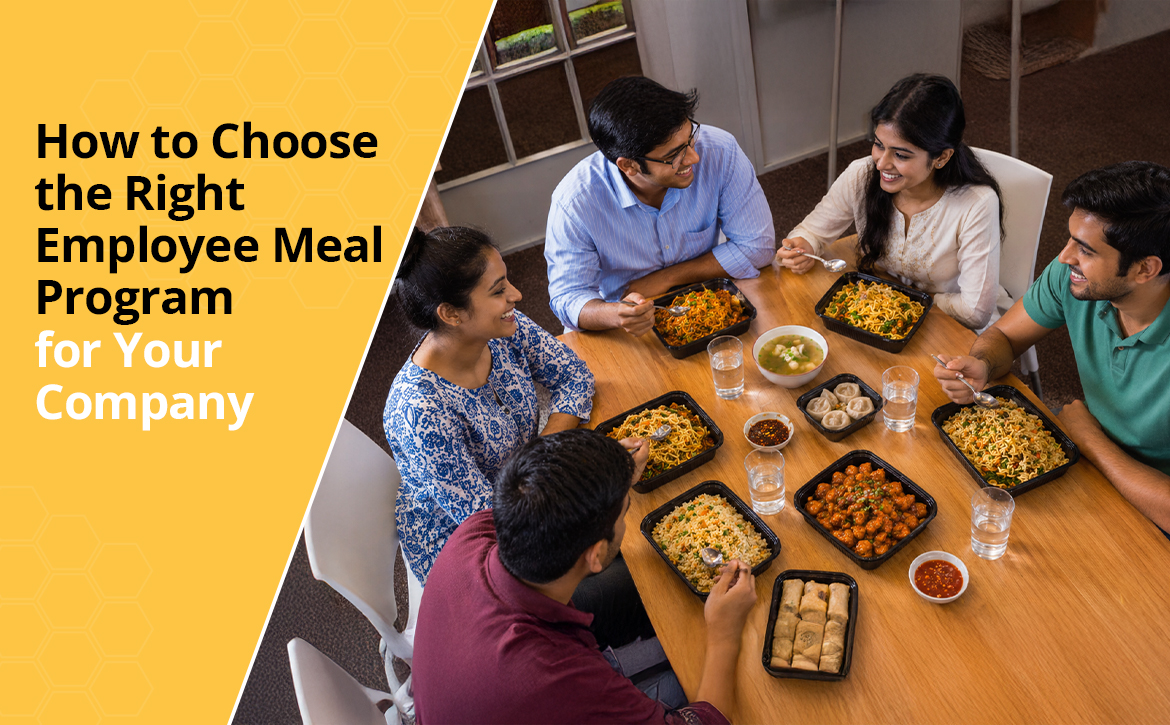
Choosing an employee meal program sounds simple until you actually have to manage it every working day. HR wants employees to feel cared for. Admin wants lunch to arrive on time. Finance wants clean invoices. Leadership wants a benefit that improves workplace experience without becoming another monthly operational headache.
For companies in Mohali, the problem is not only food. It is time, coordination, consistency, cost, hygiene, employee preference, and daily delivery reliability. When meals are unmanaged, employees spend half their break deciding what to order, admin teams chase vendors, and small issues quickly turn into repeated complaints.
A well-planned corporate meal program solves this by creating a smoother system. Employees get dependable meals, HR improves satisfaction, admin teams reduce daily follow-ups, and finance gets better visibility into spending. That is why searches like “corporate meals near me” are really about convenience, reliability, and a partner who understands office meal operations.
Why Employee Meal Programs Matter for Companies?
Food is part of the workday experience. When employees have access to timely, fresh, and well-managed meals, they spend less energy solving lunch and more energy staying focused.
A strong meal program can reduce long lunch breaks, scattered food orders, delayed deliveries, and confusion over repeated reimbursements. It also shows employees that the company is thinking about their daily comfort in a practical way.
For growing teams, food management can become difficult very quickly. What works for 15 people may fail for 100 people. A structured program brings order to meal counts, delivery timing, employee choice, and billing. Instead of treating lunch as a daily task, companies can turn it into a predictable workplace service.
What to Look for When Choosing the Right Employee Meal Program?
The best meal partner is not always the one with the longest menu or the lowest price. The right choice is the one that fits your team size, office routine, budget, food preferences, and admin process.
1. Understand Your Team’s Real Meal Needs
Start with the basics. Do you need breakfast, lunch, evening snacks, dinner, or occasional team meals? Is your team fully office-based, hybrid, or shift-based? Do meal counts change daily?
This clarity helps you avoid over-ordering, under-ordering, and manual corrections. It also helps the vendor suggest a plan that fits your actual routine instead of selling a generic package.
2. Check Menu Variety and Rotation
Employees may like a new food program during the first week, but repeated meals quickly reduce interest. A good corporate meal partner should offer planned menu rotation across regular meals, healthy options, snacks, beverages, and lighter choices.
The menu should feel suitable for everyday office eating. Employees may want dal, sabzi, roti, rice, wraps, bowls, sandwiches, salads, fruit bowls, and occasional special meals. The goal is not to make lunch fancy every day. The goal is to keep it fresh, balanced, familiar, and enjoyable.
3. Prioritize Hygiene and Food Safety
Food safety should never be treated as optional. Ask how meals are prepared, packed, stored, and delivered. The kitchen should follow proper hygiene standards, packaging should suit office delivery, and food should reach employees fresh.
One poor food experience can quickly erode trust. A reliable provider should have quality checks, complaint handling, and a replacement process when something goes wrong.
4. Evaluate Delivery Reliability
Timing matters in corporate meals. If lunch is delayed, meetings shift, employees get irritated, and admin teams start chasing updates.
When choosing corporate meals in Mohali, check whether the provider understands local office areas, traffic patterns, building access, delivery windows, and bulk order handling. Delivery reliability is not only about reaching the office. It is about reaching on time, with the correct count, proper packaging, and quick support if anything needs attention.
5. Look for Flexible Meal Plans
When choosing corporate meals in Mohali, check whether the provider understands local office areas, traffic patterns, building access, delivery windows, and bulk order handling. Delivery reliability is not only about reaching the office. It is about reaching on time, with the correct count, proper packaging, and quick support if anything needs attention.
A fixed meal plan may not work for every company. Some days you may need 40 meals, other days 70. Employees may be on leave, working remotely, attending meetings, or joining late shifts.
Look for flexible options such as daily meal counts, weekly menus, monthly packages, subsidized meals, employee-paid meals, vouchers, snacks, tuckshop support, party meals, and fruit bowls. Flexibility helps companies manage costs without reducing employee convenience.
6. Give Employees Some Choice
A single fixed meal for everyone can lead to low satisfaction. Employees have different tastes, spice preferences, diets, and appetites. Some want vegetarian food, some prefer lighter meals, and others may want more filling options.
Even two or three choices can improve adoption. When employees choose what they eat, they are more likely to enjoy the program and less likely to waste food.
7. Review Pricing and Billing Transparency
The cheapest vendor is not always the most cost-effective. Low pricing can become expensive if it leads to poor quality, late delivery, complaints, or waste.
Review the pricing model carefully. Does the vendor charge per meal, per package, per employee, or through credits? Are GST details, delivery charges, invoices, and monthly reconciliation clear? Can billing reflect actual meal usage?
Transparent billing matters because meal counts often change. Finance teams need a simple system that does not require repeated clarification every month.
8. Check Ordering and Admin Convenience
A corporate meal program should reduce admin work, not increase it. If your team has to collect orders manually, update spreadsheets, call the vendor repeatedly, and resolve payment confusion, the process is not efficient.
Look for organized ordering, employee-wise tracking, digital meal records, admin dashboards, feedback collection, and clear reporting. This becomes more important as the company grows.
9. Ask About Feedback and Support
No meal program is perfect from day one. Menus may need adjustment, portion sizes may need review, and delivery timing may need fine-tuning.
The right provider should welcome feedback and act on it. Ask how complaints are handled, who responds, how quickly issues are resolved, and whether menus can be improved based on employee response.
10. Take a Trial Before Committing
Before signing a long-term plan, test the service. A trial helps you evaluate taste, freshness, packaging, portion size, delivery timing, and employee response.
During the trial, ask employees simple questions. Was the food fresh? Was the quantity enough? Did it arrive on time? Was the packaging convenient? Would they want this regularly? Their feedback will help you choose with more confidence.
Why Does a Local Meal Partner Make Sense?
A local partner can make daily execution smoother for companies in Mohali because they understand office routines, lunch windows, delivery routes, and employee food preferences better than a generic provider.
Local familiarity matters when meal counts change, security entry takes time, or lunch needs to reach before a fixed meeting slot. A nearby team can usually coordinate faster, respond better, and adjust more practically.
Taste is another advantage. Employees are more likely to enjoy meals that feel familiar and suitable for daily eating. A local provider can balance regular North Indian meals with lighter, healthier, and more varied choices, without making the food feel disconnected from everyday preferences.
For companies searching for corporate meals near me, the best choice is not simply the closest food provider. It is the provider that can serve consistently, communicate clearly, and make office meals easier to manage.
Final Thoughts
If your office in Mohali is spending too much time coordinating lunch orders, checking meal counts, handling complaints, or managing invoices, it may be time to move to a structured solution.
BitesBee’s corporate meals service helps companies simplify employee dining with trial meals, tech-enabled onboarding, finalized meal plans, feedback collection, and meal improvements based on company needs. For teams in Mohali, BitesBee can support daily corporate meals, vouchers, tuckshops, party meals, and fruit bowls, helping HR and admin teams serve employees without turning meals into a daily pressure point.
Instead of managing office food through scattered orders and repeated follow-ups, you can create a reliable meal system that employees enjoy, and teams can run with better control.