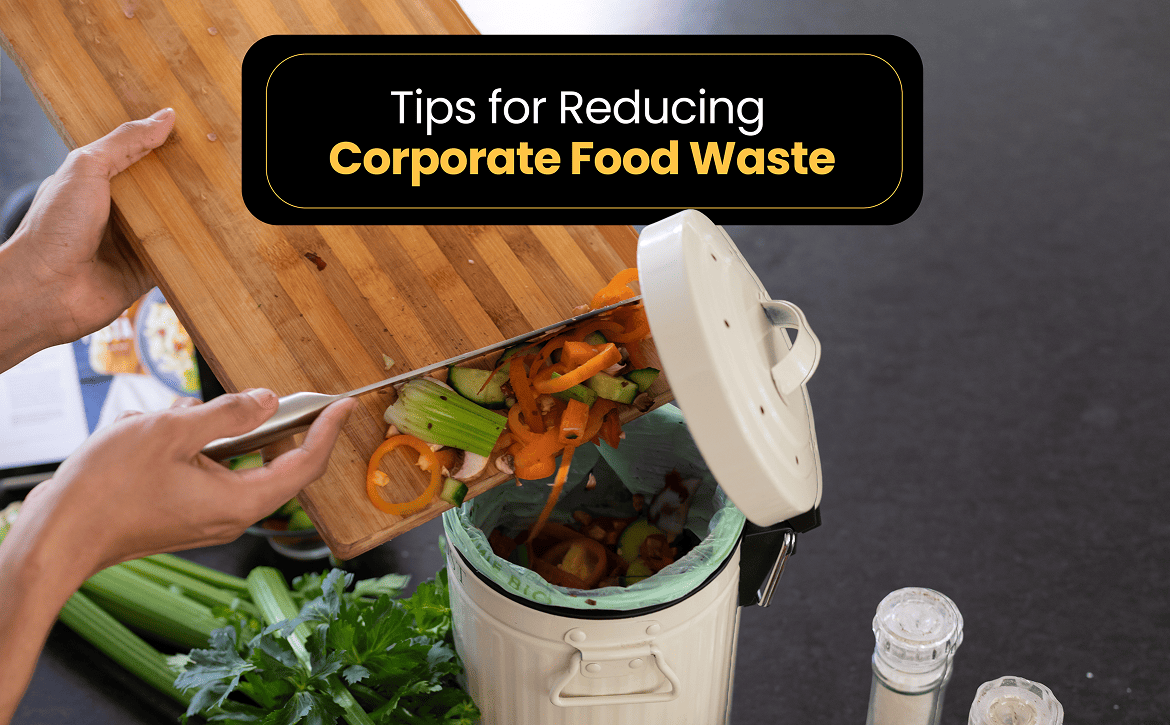
Tips for Reducing Corporate Food Waste
Have you been struggling with food wastage after every office event or catered lunch? It’s a common challenge in many workplaces; large quantities of food are ordered with the best intentions, but a good portion ends up uneaten.
Whether it’s a team meeting, corporate gathering, or celebratory lunch, leftovers often speak louder than the event’s success. And while the intention is always to offer more than enough, it can sometimes come off as a bit much, even careless or wasteful, don’t you think?
Being mindful about food doesn’t mean compromising on quality or hospitality. It simply means planning better, choosing smarter, and thinking ahead.
If you’re already thinking in this direction, you’re on the right track.
Here’s how your workplace can reduce waste without losing the comfort of good meals.
Why Food Waste at Work Deserves Your Attention
Food naturally becomes part of the everyday flow, shared meals, birthday treats, quick bites during meetings, and catered events. Over time, the amount of food moving through the workplace adds up. And when things get busy, it’s easy to overlook how much is being wasted.
But unmanaged food waste doesn’t just affect the environment; it reflects on your workplace values. The way food is handled speaks to how your company thinks about hygiene, care, and responsibility. It shows employees that their space is cared for. It shows clients that your actions match your message.
Making mindful food choices isn’t about cutting costs. It’s about building a workplace that’s thoughtful, efficient, and genuinely committed to doing better.
Practical Ways to Reduce Food Waste at Work
Thoughtful meal planning can make a big difference in how food is used at work. When you plan ahead, you avoid over-ordering and wasting food that no one ends up eating. Start by knowing how many people will be eating and what kinds of meals they actually enjoy. This helps you avoid guesswork and cuts down on leftovers.
Make it a habit to gather simple feedback. Find out which meals are popular and what often gets left untouched. Use that insight to shape future choices. Offering flexible, customizable options keeps people satisfied without going overboard. A rotating menu every few weeks also keeps things fresh and aligned with real preferences.
Portion sizes matter too. Serving just enough shows care and thoughtfulness, not just towards food, but toward the people sharing it.
Choose Sustainable Catering Services
Every shared meal at work is an opportunity to make better choices. It’s not just about feeding people; it’s about how food is planned, served, and handled afterward. The right catering partner can help you do that with more care and less waste.
Look for services that support your values around hygiene, freshness, and sustainability. The best partners will offer:
- Packaging that’s compostable or recyclable
- Flexible meal sizes based on who’s actually attending
- Ingredients from responsible sources
- Post-meal tracking and helpful waste reduction tips
When catering is mindful, meals feel more personal, and waste becomes easier to manage. It’s a simple shift that supports your team and your long-term goals. BitesBee supports this by combining eco-friendly delivery with smart tools, helping your office serve thoughtfully while cutting down on food waste.
Encourage Teams to Make Smarter Food Choices
The way food is handled at work isn’t just a company concern; it’s something everyone can quietly influence. A few small shifts in daily habits can go a long way. Place gentle reminders near food stations, like “Take only what you need” or “Come back for seconds if you’re still hungry.” These simple cues help reduce extra servings that often go to waste.
Layout also plays a role. Smaller plates, clearly marked portions, and separating food types like salads and proteins make choices easier and more mindful. After meals, ask for quick feedback: was the portion right, too much, or not enough?
When your team feels involved in the process, they tend to waste less and enjoy their meals more.
Use Smart Tools to Monitor and Cut Food Waste
It’s not always easy to keep track of what gets eaten and what ends up untouched, especially in a fast-paced work environment. But paying attention to these details can make a real difference. Even simple tracking, what was served, what was left, and what was thrown away, can highlight patterns you might not notice otherwise.
With the help of smart tools, you can go further by understanding:
- Which meals are often left uneaten
- What days tend to generate more waste
- How food preferences shift over time
When you have this information, planning becomes easier and more effective. Regular office orders start to reflect real needs, not assumptions. The result is food that’s better received, less waste overall, and a system that supports both your team’s satisfaction and your sustainability goals.
Keep Food Fresh and Safe with Proper Storage
Even with careful planning, leftovers are inevitable. But how you store them makes all the difference in keeping food safe and reducing waste. If storage isn’t handled properly, freshness fades, and the risk of spoilage increases.
Stick to simple, clean food hygiene practices that everyone can follow:
- Label all food clearly with names and dates
- Use airtight containers to lock in freshness
- Refrigerate perishable items at safe temperatures
- Store dry snacks in sealed, clean containers
Keep reheating stations clean and post clear instructions for how long leftovers can be stored before being tossed. When food is stored safely and handled with care, it builds confidence and shows that your workplace values both health and responsibility.
How You Can Reduce Corporate Food Wastage With BitesBee
Choosing the right meal service is more than just getting food delivered; it’s about managing meals in a way that reduces waste and supports your team’s health. BitesBee understands this deeply. They build food systems tailored to your team’s real needs, making it easier to serve just the right amount, avoid leftovers, and promote healthier habits at work.
Here’s how BitesBee helps create a cleaner, more efficient food routine:
- Flexible portion sizes based on daily attendance
- Thoughtful ingredient planning to prevent spoilage and excess
- Compostable, environmentally friendly packaging
- Customized meal options for diverse dietary needs
- Ordering systems powered by ongoing team feedback
- Transparent hygiene standards from the kitchen to delivery
- Real-time adjustments based on consumption patterns
- Waste tracking tools to continuously improve planning
- Support for staff education on portion control and sustainability
The result is a dependable, streamlined food service that delivers fresh meals without the unnecessary extras. It’s a mindful, people-first approach that benefits both your team and the planet.
If reducing food waste and creating a healthier workplace is important to you, BitesBee can help you make it happen, one meal at a time. Reach out today to learn how your office can start feeding smarter and wasting less.
How Small Habits Can Help Reduce Food Waste
Food waste at work doesn’t always come from big decisions; it’s usually the small, everyday habits that add up. Maybe it’s over-ordering without checking who’s actually coming, not noticing what regularly gets left behind, serving oversized portions, or not properly storing leftovers. Sometimes it’s offering the same menu too often, which can lead to boredom and untouched food. Even unclear communication about meal times or preferences can cause extra waste.
But small shifts can change that. Ask your team what they enjoy. Watch what stays uneaten. Serve portions that make sense. These aren’t big moves, they’re just mindful ones. And when your food partner is on the same page, it gets even easier.
You’re not just feeding a team, you’re shaping a workplace that pays attention, reduces waste, and runs more smoothly each day. It all begins with awareness, followed by well-planned adjustments that build momentum over time, one meal at a time.
What You Can Do (Today) to Reduce Food Waste at Work
If you’re trying to reduce food waste in your workplace, you don’t need a complicated system, just a few thoughtful habits that stick. Start with the basics, like knowing exactly who’s going to eat and how much food is actually needed.
These steps might seem small, but they make a real difference over time:
- Confirm attendance before every order so you’re not left with excess food.
- Work with caterers who allow flexible portion sizes.
- Talk to your team about portion control; it helps more than you think.
- Choose compostable or reusable packaging to reduce impact.
- Store leftovers safely and add clear labels to avoid confusion.
- Track what gets wasted each week to plan smarter next time.
- Change up the menu to keep meals interesting and reduce leftovers.
- Ask for feedback regularly and adjust based on what people actually enjoy.
Build a system that works better for your team and the planet, because thoughtful food choices are good business too.
Conclusion
Corporate food waste is more than just leftovers; it often signals gaps in planning, unnecessary expenses, and a broader environmental impact. Every untouched meal adds up—not just in cost but also in wasted resources. That’s why it’s important to approach food thoughtfully, focusing on intention rather than convenience.
Begin by taking simple, practical steps: confirm attendance before ordering, select flexible portion sizes, and keep track of what gets eaten versus what doesn’t. Encourage mindful eating habits and safe storage of leftovers to further reduce waste.
To support these efforts, partnering with a food service that truly understands sustainable workplace needs makes all the difference. BitesBee provides smart, hygienic, and eco-conscious catering solutions designed to help you plan efficiently, serve appropriate portions, and minimize waste, all while maintaining high quality and freshness.
Let’s build a workplace that serves with care, one meal at a time.