How Corporate Meals Simplify Women’s Day Planning

Women’s Day at work should feel thoughtful and well planned, not rushed. For HR and Admin teams, the goal is simple. You want to create a celebration that makes employees feel valued while keeping the day smooth and easy to manage. 

However, planning food for the entire team, managing dietary preferences, and coordinating timely delivery can quickly become overwhelming. Many offices start searching for corporate catering in Mohali only a few days before the event, which often limits structured planning.

Choosing reliable corporate meals in Mohali helps you move from last-minute coordination to a planned and predictable setup. When food is organized properly, it supports the event instead of creating stress behind the scenes. 

In this blog, you will learn how structured meal planning can improve execution and make your Women’s Day celebration more seamless and impactful.

Creating a More Thoughtful Women’s Day Experience with Corporate Meals

When you plan Women’s Day in your office, the goal is not just to organize an activity but to create an experience that feels thoughtful and well-managed. Food plays a central role in that experience because it naturally brings people together in a way that speeches alone cannot. When your team gathers for properly arranged corporate meals events, employees step away from their screens, sit together, and interact more freely, which makes appreciation feel genuine rather than formal.

In many growing IT companies, leaders use Women’s Day lunches to openly acknowledge contributions and encourage informal conversations. A structured Corporate meals service ensures that while you focus on recognition and engagement, the food coordination runs smoothly in the background. For offices managing space limitations or staggered shifts, Corporate meals Lunch boxes offer a practical solution that allows everyone to participate without disrupting workflow.

Well-planned meals also help you:

  • Ensure timely serving without long waiting lines
  • Accommodate dietary preferences respectfully
  • Maintain hygiene and presentation standards
  • Control portions and reduce food wastage
  • Keep the event aligned with office schedules

When meals are organized thoughtfully, employees notice the effort, and that attention to detail makes the celebration more meaningful.

Common Challenges HR & Admin Teams Face During Women’s Day Planning

Even with careful preparation, organizing a Women’s Day celebration within a busy office schedule can quickly become overwhelming. In many companies, the pressure begins when HR teams start searching for corporate catering near me only a few days before the event.

At that point, choices feel limited, discussions become rushed, and decisions are made without enough time to evaluate quality or reliability.

Some of the most common challenges you may face include:

  • Unclear menu planning and difficulty estimating the right portions for the entire team, which can lead to food shortage or unnecessary wastage.
  • Delayed delivery from a local catering service disrupts the event schedule and affects planned activities or appreciation sessions.
  • Sudden changes in team headcount can create confusion in meal quantity and seating arrangements.
  • Dietary preferences and restrictions are not being properly accommodated, leaving some employees feeling overlooked.
  • An incomplete buffet setup or missing serving arrangements makes the presentation look unorganized and rushed.
  • The overall budget exceeded the approved limit due to last-minute additions or unclear pricing discussions.

When you look for corporate meals in Mohali without structured planning, the entire process becomes reactive instead of organized. Admin teams often spend valuable time calling vendors for updates instead of coordinating the event flow.

Similarly, selecting general catering in Mohali without corporate experience can lead to gaps in punctuality, presentation, and portion management, making the celebration feel stressful rather than smooth.

How Corporate Meals Simplify Women’s Day Planning

The difference between random event ordering and a structured meal plan is significant.

A professional corporate meals service follows a defined process. It includes advanced menu discussions, quantity forecasting, dietary planning, and confirmed delivery windows. This removes uncertainty from the event day.

Choosing a dependable corporate catering service ensures that food arrives on time and is arranged systematically. Buffets are set up efficiently, lunch boxes are distributed properly, and serving logistics are handled smoothly.

In growing offices across Mohali, time management is critical. A structured corporate meals in Mohali solution allows HR teams to focus on hosting activities, appreciation sessions, and team engagement without worrying about vendor coordination.

Key advantages of structured corporate meals include:

  • Accurate portion control
  • Menu customization based on employee preferences
  • Professional buffet setup
  • Hygiene and packaging standards
  • Clear communication channels
  • Dedicated coordination support

When your Women’s Day event is supported by reliable corporate catering in Mohali, execution becomes predictable. Predictability reduces stress. Reduced stress improves overall event quality.

Instead of reacting to issues, your team operates with clarity and confidence.

Celebrating Women's Day with BitesBee’s Structured Corporate Meals

Planning Women’s Day in your office becomes much smoother when you have a partner who understands how corporate schedules and coordination actually work. Instead of handling multiple vendor calls and last-minute adjustments, you can rely on a structured system designed specifically for office environments.

With a focused approach to corporate catering in Mohali, BitesBee ensures that your celebration runs in an organized and predictable manner.

  • Menu planning: Menus are discussed well in advance based on your team size, dietary preferences, and the format of your celebration. This helps you avoid last-minute confusion about portions, ensures vegetarian and special meal options are properly planned, and reduces the risk of food shortage or unnecessary wastage.
  • Serving options: You can choose buffet arrangements for larger team gatherings where interaction is encouraged, or opt for corporate meals Lunch boxes when teams are working in shifts, or prefer celebrating at their desks without disrupting workflow.
  • Timely delivery: Confirmed delivery slots are aligned with your internal schedule, so your appreciation speech, team activity, or recognition session is not delayed due to food arrival issues.
  • Professional setup: Unlike a regular catering service, the food presentation and serving arrangements are handled with corporate professionalism, ensuring the setup looks organized and appropriate for an office environment.

For larger appreciation programs, properly coordinated corporate meals Events help maintain smooth serving flow and avoid crowding. Choosing a dependable corporate meals service allows you to focus on celebrating your team while the operational details remain structured and stress-free in the background.

Final Thoughts

Women’s Day celebrations in the workplace should reflect appreciation and respect. However, without proper planning, even well-intended events can feel rushed and unstructured.

Food plays a central role in shaping the overall experience. A thoughtfully arranged meal encourages interaction, improves participation, and makes employees feel valued. Choosing reliable corporate meals in Mohali ensures your event runs smoothly from start to finish.

When HR and Admin teams partner with a structured corporate catering service, coordination becomes easier, delivery becomes predictable, and execution becomes professional. This allows you to focus on meaningful engagement rather than operational challenges.

If you are planning your Women’s Day celebration in your Mohali office, working with a dependable corporate meals in Mohali partner can help you create a well-organized event while keeping stress levels low. Early planning ensures the celebration feels intentional, structured, and truly meaningful for your team.
How Offices in Mohali Improved Daily Workflow With Better Meals

In many offices, productivity drops after lunch, even when everything else seems properly managed. If you handle operations or administration, you already know that lunch is not just a routine break; it directly affects how smoothly your team functions in the second half of the day. Companies arranging corporate meals in Mohali often assume that daily meal coordination is simple, but small gaps in planning can quietly disrupt workflow.

When deliveries are delayed or food quality feels inconsistent, employees start searching for lunch options nearby instead of focusing on their responsibilities. Meetings get pushed forward, discussions lose momentum, and your admin team ends up handling avoidable food-related disruptions.

For those who are looking for a practical and sustainable way to improve daily workflow through better meal planning, this guide will help you understand the common challenges and how a structured system can create more stable, productive workdays for your office.

How Poor Lunch Planning Slows Down Office Workflow

Lunch is part of the daily routine, but when it’s poorly managed, it quickly affects the entire workday. Late deliveries, inconsistent portions, or incomplete orders disrupt workflow. Employees pause important tasks, step out for alternatives, or return distracted and behind schedule.

As workflow slows, operations begin to shift. Offices relying on corporate catering in Mohali may experience delayed meetings simply because lunch service was not timely or well-structured. Even minor inconsistencies can push review calls, client discussions, and internal planning sessions off track.

When employees arrange food individually, coordination weakens, and the afternoon schedule becomes uneven. If meal quality fluctuates, energy levels drop, affecting focus and collaboration. At the same time, your admin team spends valuable time resolving food-related concerns instead of concentrating on core operational priorities.

Many companies initially assume convenience is enough when choosing a meal provider. Over time, they realize that reliability, planning, and accountability matter far more. Clear ordering systems, confirmed headcounts, and a structured corporate meal partner help protect productivity and keep daily operations running smoothly.

Main Challenges Offices Face During Lunch Hours

Lunch hours often look simple from the outside, but you may already know how quickly small issues can turn into daily disruptions. Many growing teams arranging corporate meals in Mohali face similar challenges, even if they are not openly discussed in meetings. These problems usually include:

  • Deliveries arriving late, which pushes your meeting schedules forward and affects project timelines, especially on days packed with client calls.
  • Inconsistent food quality when you rotate between vendors instead of working with a dependable corporate meals service that follows clear standards.
  • Missed dietary preferences in larger teams where vegetarian, Jain, or low-spice meals require proper tracking and confirmation.
  • Daily coordination calls and follow-ups that increase pressure on your admin team.
  • Unclear portion planning during corporate meals events, where fluctuating headcounts create confusion and last-minute stress.

When employees start stepping out because they doubt meal reliability, your workflow becomes unstable. If you want a more predictable system, reviewing your current meal process is the first practical step toward smoother daily operations.

What Changes When Offices Switch to a Structured Meal System

When offices shift from managing lunch manually to following a structured meal system, the improvement is not just visible; it is practical and measurable in your daily operations. Instead of reacting to food-related problems every afternoon, you begin working with a predictable process that protects your schedule and reduces unnecessary coordination. Many companies that adopted organized corporate food in Mohali noticed that even small structural changes made a noticeable difference in team discipline and meeting timelines.

  • Fixed and Reliable Delivery Timelines: Meals started arriving at the same time each day, which helped you plan meetings confidently without worrying about unexpected delays or extended lunch breaks.
  • Advance Menu and Headcount Confirmation: With a dependable corporate catering service, menus and team counts were finalized in advance, reducing last-minute calls and portion shortages that often create confusion.
  • Proper Dietary Preference Management: Vegetarian, Jain, and customized meal requests were recorded clearly, especially for teams relying on daily corporate meal lunch boxes, which reduced repeated complaints.
  • Less Pressure on Admin Teams: Instead of solving missing item issues or quality concerns, your admin staff could focus on onboarding, vendor coordination, and core responsibilities.

As structure replaced daily guesswork, employees returned from lunch on time, afternoon reviews ran smoothly, and overall workflow became more stable. When your lunch system becomes reliable, your workday naturally becomes more organized and efficient.

How BitesBee Improves Daily Workflow with Reliable Office Meals

BitesBee was designed to support offices that want structure instead of daily coordination stress. By offering a dependable corporate meals service, BitesBee ensures that menus, delivery schedules, and dietary preferences are clearly managed from the beginning.

For companies looking for organized corporate catering in Mohali, this means you no longer have to manage multiple vendors or handle repeated food complaints. Preferences for vegetarian, Jain, or customized meals are recorded and followed consistently. Whether your team requires daily meals or larger setups like corporate meals or buffet dinners, the planning remains streamlined and predictable.

Many operations heads have shared that once they partnered with a structured provider, lunchtime interruptions reduced noticeably. Admin teams could focus on onboarding, payroll coordination, or vendor negotiations instead of solving lunch-related issues. Teams also benefited from consistent meal timing, which helped maintain energy and discipline during the second half of the day.

If you are currently managing corporate catering events or growing team lunches manually, shifting to a structured system can simplify your operations. BitesBee helps you bring reliability into daily meal planning so your workflow remains smooth and uninterrupted.

Conclusion

Improving your daily workflow is not always about introducing new tools or tightening internal processes. Sometimes, it starts with organizing something as routine as lunch. Offices that invest in reliable corporate meals in Mohali often notice that once meal coordination becomes structured, meetings begin on time, employees return from breaks as scheduled, and afternoon productivity improves naturally.

When your lunch system is predictable, your admin team no longer spends valuable hours resolving food complaints or managing multiple vendors. Even simple arrangements like properly planned corporate meal lunch boxes can bring consistency to busy workdays, while organized setups, such as a corporate catering buffet dinner, help you manage team gatherings without last-minute stress.

If you are ready to simplify your office lunch coordination and protect your team’s daily workflow, consider switching to a structured corporate meals service with BitesBee. With reliable planning, consistent quality, and timely delivery, you can reduce interruptions and create a smoother, more focused work environment for your entire team.

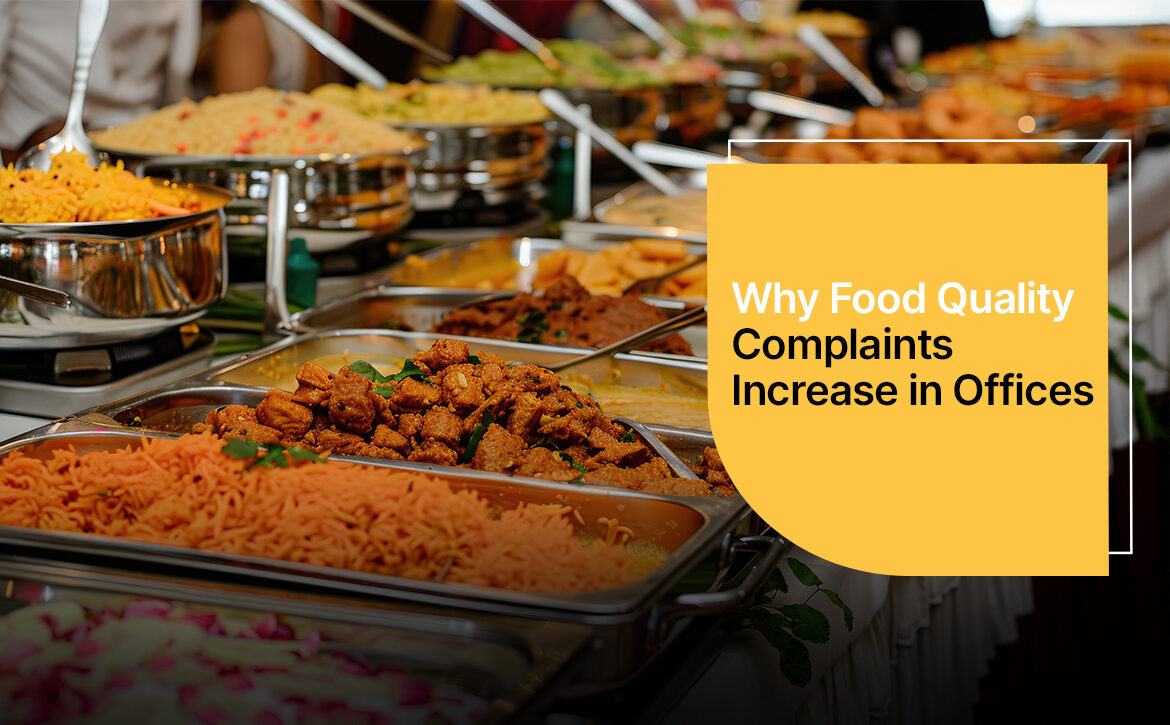
Why Food Quality Complaints Increase in Offices

In many offices, food complaints do not appear overnight. They slowly increase as employees begin noticing repeated issues such as inconsistent taste, smaller portion sizes, delayed deliveries, or meals that do not match their preferences. What looks like a simple daily arrangement often turns into a regular operational concern for admin teams. 

Even companies arranging corporate meals in Chandigarh discover that the real difficulty is not ordering food, but ensuring consistent quality and reliability every single day.

When meals arrive late or dietary requests are missed, employees feel frustrated and distracted during working hours. Admin teams then spend valuable time managing follow-ups, clarifying orders, and handling complaints that could have been avoided with better planning. These repeated interruptions affect morale, productivity, and workplace satisfaction. 

In this blog, we will explore the real reasons behind rising food complaints, practical ways to reduce them, and how a structured corporate meal system can create a smoother and more reliable office lunch experience.

Common Reasons Behind Office Food Complaints

Many offices believe arranging daily meals is simple, but in reality, food complaints usually grow from small and repeated gaps in coordination. These issues may look minor in the beginning, yet over time, they start affecting employee satisfaction and admin efficiency.

Some of the most common reasons include:

  • Inconsistent meal quality: Employees quickly notice when food tastes different every day or when portion sizes change without explanation. Even offices ordering corporate meals in Chandigarh sometimes struggle with variations in spice levels, freshness, or presentation, which leads to repeated feedback during lunch breaks.
  • Late or irregular deliveries: When lunch boxes arrive after the scheduled break time, meetings get delayed, and employees lose focus. Offices depending on corporate catering in Chandigarh often experience workflow disruptions when deliveries are not on time.
  • Miscommunication of dietary preferences: Requests for vegetarian, vegan, or low-spice meals are sometimes missed because there is no structured tracking system. Employees then feel their preferences are not taken seriously.
  • No standardized vendor process: Switching between different vendors under a single corporate meals service can create inconsistency in quality and portions, leaving admin teams overwhelmed by complaints.
  • Unclear portion or menu expectations: Last-minute menu changes or uneven servings often create dissatisfaction.

Individually, these problems may seem small, but when repeated for weeks, they become a significant operational burden for both employees and admin teams.

Smart Ways to Reduce Office Lunch Complaints

Reducing food complaints in offices does not always mean changing everything at once. In many workplaces, the real issue is not the effort to provide good food, but the absence of a clear and consistent system. Offices arranging corporate meals in Chandigarh often notice that once structure is introduced, complaints begin to decline because expectations, quality standards, and delivery timelines become more predictable.

1. Plan Ahead

Confirming menus and final headcounts in advance gives vendors enough time to prepare meals properly. When orders are rushed or adjusted at the last minute, errors become more common. For example, one admin team reduced daily confusion simply by finalizing meal counts before a fixed morning deadline, which significantly lowered missing items and incorrect portions.

2. Track Preferences

Maintaining a proper and updated record of dietary needs, such as vegetarian, vegan, Jain, or low-spice meals, prevents repeated misunderstandings. A structured corporate meals service that stores these preferences ensures employees consistently receive the right meals without daily reminders.

3. Choose Reliable Partners

Consistency improves when offices depend on one trusted provider for corporate meals lunch boxes instead of switching vendors frequently.

4. Structure Daily and Event Meals

Whether managing daily lunches or a corporate meals buffet dinner, planning ahead ensures smoother coordination and better quality control.

If your office is facing repeated food complaints, it may be time to move toward a more dependable system. Explore BitesBee Corporate Meals to simplify daily coordination, ensure consistent quality, and create a more organized and satisfying lunch experience for your team.

How Structured Corporate Meals Service Improves Workflow

When offices move from scattered lunch arrangements to a properly organized system, the change is noticeable not just in food quality but in overall workplace efficiency. Many companies opting for corporate meals in Chandigarh realize that structured planning removes daily confusion and replaces it with clarity, accountability, and consistency. Instead of reacting to complaints, teams begin operating with defined processes and predictable outcomes.

Operational Stability

A structured corporate catering service introduces clear systems that prevent the small errors that usually trigger food complaints.

  • Meals arrive with consistent taste, portion sizes, and presentation, which builds trust among employees over time.
  • Delivery schedules are fixed and monitored, ensuring lunch breaks are not delayed or disrupted.
  • Dietary preferences such as vegetarian, low-spice, or allergen-specific meals are recorded centrally and managed automatically.
  • Vendor communication follows a defined process, reducing last-minute confusion or misinterpretation.

With these systems in place, admin teams spend less time coordinating and more time focusing on strategic responsibilities.

Employee Experience & Workplace Impact

Beyond operations, structured planning improves the overall office environment, especially when managing corporate meals events or a well-organized corporate meals buffet dinner.

  • Employees feel valued when their preferences are respected consistently without repeated reminders.
  • Lunch hours become calmer and more predictable, which helps teams return to work on time and with better focus.
  • Planning daily corporate meals and lunch boxes becomes scalable as the team grows, without increasing stress.
  • Workplace morale improves because food quality and timing are no longer daily concerns.

Over time, structured corporate meal systems create smoother workflows, stronger employee satisfaction, and a more professional office culture that supports productivity instead of disrupting it.

How BitesBee Solves Office Food Challenges

Many offices struggle with repeated complaints because there is no clear system behind daily lunches. BitesBee addresses these gaps by offering a structured corporate meals service that focuses on consistency, timely delivery, and proper coordination. Instead of depending on last-minute calls and manual follow-ups, offices receive planned menus and confirmed schedules that reduce confusion.

For companies arranging corporate meals in Chandigarh, this means admin teams no longer spend their afternoons resolving portion issues or tracking delayed deliveries. Dietary preferences such as vegetarian, Jain, or low-spice meals are recorded in advance, so employees do not have to repeat their requests every day. Whether it is daily corporate meals lunch boxes, or a well-organized corporate meals buffet dinner for team events, the process remains smooth and predictable.

Several HR managers share that once they shifted to a structured system, lunchtime interruptions reduced significantly, and employee feedback became more positive. If your office is looking to simplify coordination and improve consistency, explore BitesBee Corporate Meals to create a more reliable and stress-free lunch experience for your team.

Conclusion

Food complaints in offices usually do not start with one major issue, but with small and repeated gaps in quality, timing, and coordination. When meals arrive late, portions change unexpectedly, or dietary requests are missed, frustration slowly builds among employees. Many companies searching for corporate meals in Chandigarh realize that the real issue is not the food alone, but the lack of a structured system behind it. Over time, these daily problems drain admin energy and affect team morale.

A dependable corporate meals service brings stability by ensuring consistent taste, timely delivery, and proper handling of preferences. Whether it is regular corporate meals, lunch boxes, or a planned corporate catering buffet dinner for events, a structured approach removes confusion and reduces follow-ups. Offices that adopt an organized system notice calmer lunch hours, better employee feedback, and smoother daily operations that allow everyone to focus on meaningful work.

Signs Your Office Needs a Better Lunch Arrangement

Managing office lunches may seem simple on the surface, but in many corporate offices, it slowly consumes valuable admin time without anyone noticing. As teams grow, coordinating headcounts, handling last-minute dietary requests, and following up with vendors gradually take over hours meant for core work.

This is especially common in offices searching for corporate meals near me, where the expectation goes beyond food to consistency and reliability. Small issues like late deliveries, missing items, or miscommunicated preferences turn into daily distractions that break focus. Employees ask repeated questions, vendors need constant reminders, and admin teams are pulled into problems they were never meant to manage.

This blog helps you understand why manual lunch management quietly drains time and energy, highlights the most common mistakes offices make, shares practical ways to avoid them, and outlines the clear signs that indicate your workplace needs a better, more structured lunch system.

Why Manual Office Lunch Planning Slowly Becomes An Admin Burden

Managing office lunches manually rarely feels overwhelming on day one. The strain builds slowly, through small tasks that repeat every single day. For admin teams, these moments add up faster than most offices realise.

  • Daily headcount confusion: Mornings often begin with confirming who is in the office, who is working remotely, and who joined late. This back-and-forth may feel routine, but it interrupts planned work repeatedly.
  • Unplanned menu and preference queries: Employees ask about meal options, portion sizes, or dietary needs, often after orders are already placed. If your office is searching for corporate meals near me, consider a more organized approach that reduces distractions and keeps teams focused.
  • Vendor follow-ups and clarifications: Manual coordination means constant calls to vendors for order confirmation, changes, or delivery updates, especially common with corporate meals in Mohali.
  • Lunchtime interruptions peak: Questions about delivery timing, missing items, or delayed boxes pull admin teams away from critical tasks right when focus matters most.
  • Post-lunch spillover work: Feedback, complaints, and next-day adjustments continue well into the afternoon, a familiar pattern for offices managing corporate foods in Mohali.

Over time, this constant task-switching drains energy and productivity. If you are looking for a hassle-free way to simplify office lunches and reduce daily coordination, a structured corporate meals service like BitesBee corporate meals can help restore focus and consistency without adding admin workload.

Common Mistakes Offices Make When Managing Corporate Meals

Without a structured approach, many offices fall into habits that quietly increase admin workload. These mistakes rarely happen because of poor intent. They usually develop over time when lunch management grows without clear planning, ownership, or systems in place.

1. Relying on last-minute coordination

Menus and headcounts are often finalised just before lunch. Admin teams spend their mornings confirming numbers, sharing updates, and fixing small changes. Even offices managing corporate meal lunch boxes experience repeated interruptions that break focus and delay planned work.

2. No clear process for dietary preferences

Meal preferences are shared casually through messages or conversations. Over time, details get missed or forgotten. Employees repeat the same requests, and admin teams are left sorting through confusion that could have been avoided with a simple system.

3. Treating lunch as a minor task

Questions about delivery time, portion size, or substitutions may seem small. However, when they appear throughout the day, they interrupt concentration and slow down important tasks.

4. Inconsistent vendor performance

Even offices using corporate food in Mohali face delays, quality concerns, or missing items. Admin teams manage complaints and follow-ups despite having no control over preparation or delivery.

5. No clear ownership of lunch operations

When no one officially manages lunch, admin teams become the default problem-solvers. This increases stress and reduces time available for more important responsibilities.

Each of these issues may seem manageable on its own, but together they create ongoing disruptions. Over time, this hidden workload drains energy, attention, and productivity across the office.

How to Avoid These Mistakes

Office lunch problems usually come from unclear planning rather than the food itself. Putting a few basic systems in place can remove most daily friction for admin teams.

1. Plan menus and headcounts ahead of time

Finalising menus and employee counts at least a day in advance prevents last-minute changes that disrupt the workday. When admin teams know exactly how many meals are required and what is being served, they avoid repeated calls, follow-ups, and rushed corrections. Offices using a structured corporate meals service find that lunch coordination becomes predictable instead of reactive.

2. Create a clear system for dietary preferences

Dietary needs should be recorded once and stored centrally, not shared through messages or reminders. A simple system for vegetarian, vegan, or low-spice meals ensures preferences are respected without daily coordination. This is especially important for offices managing corporate meal lunch boxes, where missing details lead to repeated complaints.

3. Work with reliable food partners

Consistent vendors reduce uncertainty. On-time delivery, stable portion sizes, and reliable quality mean admin teams do not need to track orders or manage complaints. Offices depending on corporate food in Mohali benefit most when vendors follow fixed schedules and standards.

4. Set clear accountability for lunch operations

Lunch management should not sit with multiple people. Assigning responsibility to a defined system or role prevents confusion and avoids admin teams becoming default problem-solvers when issues arise.

5. Use structured systems for daily meals and events

An organised approach to corporate meals events and corporate catering lunch boxes allows offices to handle team growth, meetings, and special days without increasing admin effort.

With these steps in place, lunch stops interrupting the workday and become a stable part of office operations.

How BitesBee Simplifies Office Lunch Management

BitesBee is built around the everyday realities admin teams face while managing office lunches. In many workplaces, lunch coordination slowly turns into a daily task list filled with follow-ups, clarifications, and last-minute fixes. BitesBee removes that pressure by replacing manual coordination with a structured and predictable system.

Menus are planned in advance, deliveries follow a fixed schedule, and quality remains consistent. This means admin teams no longer need to track orders or respond to repeated questions. Dietary preferences are handled within the system, so employees do not need to remind anyone each day. For offices using corporate meal lunch boxes or organising a corporate meal buffet dinner for team gatherings, the process stays smooth without extra effort.

Whether teams are managing corporate meals or relying on dependable corporate foods in Mohali, the experience remains stable as the office grows. What admin teams notice most is the regained time and mental space. Lunch hours become quiet and predictable, allowing teams to focus on work that truly matters.

If you are looking for a hassle-free corporate meals service that simplifies daily operations and supports your team consistently, BitesBee Corporate Meals are designed to fit naturally into your workplace routine.

Final Thoughts

Manual office lunch management rarely creates visible problems, but over time, it quietly consumes admin time, mental energy, and daily focus. Small tasks like follow-ups, delivery checks, and handling complaints slowly add stress and pull teams away from meaningful work. This hidden drain often goes unnoticed until productivity and morale start to dip.

A structured corporate meals service brings back predictability to the workday. Admin teams spend less time coordinating lunches, employees receive consistent and balanced meals, and offices run with fewer interruptions. Many workplaces using organised corporate meals notice calmer lunch hours and smoother afternoons.

If you are looking for hassle-free office lunches or reliable support for team meals, BitesBee Corporate Meals offers a structured approach that helps your workplace stay focused, organised, and efficient every day.

Why Employees Skip Lunch and What Offices Can Do Better

Employees skipping lunch has consequences far more serious than most organizations realize.

As founders and leaders, it is easy to believe there are bigger priorities competing for attention. Revenue targets, client commitments, hiring plans, product timelines. Lunch feels optional in comparison. But pause for a moment and think about this. Can you truly expect consistent performance, creativity, and focus from people whose basic needs are being ignored?

Health is not a “nice to have.” It is the foundation of everything people think, build, and deliver. And when employees regularly skip meals, even unintentionally, the impact quietly shows up in ways that are easy to miss but costly over time.

This is where corporate meals stop being a cultural perk and start becoming a strategic decision.

Providing meals at the workplace is not about optics or employer branding alone. It is about creating an environment where employees can function at their best without unnecessary friction. When nourishment is taken care of, energy stabilizes, focus improves, and productivity becomes more sustainable.

When health thrives, performance follows naturally.

Let’s first understand why employees skip meals in the first place.

Real Reasons Why Employees Skip Lunch

Employees rarely skip meals because they want to. It usually happens because the work environment makes it easier to skip lunch than to take one.

1. Work Pressure and Constant Deadlines

Heavy workloads and back-to-back meetings often push lunch to the bottom of the priority list. Employees tell themselves they will eat later, but later never comes. Over time, skipping lunch becomes routine rather than an exception.

The result is predictable. Energy drops mid-afternoon, focus becomes harder to sustain, and small tasks start taking longer than they should. It is not a motivation problem. It is a fuel problem.

2. Poor Access to Nutritious Food

If the only nearby options are unhealthy, expensive, or time-consuming, employees choose convenience over nourishment. Many simply grab coffee, snack mindlessly, or skip eating altogether to save time.

Even when employees want to eat better, the friction is high. Long queues, limited variety, inconsistent quality, and the effort of deciding every day make healthy eating feel like extra work. Convenience wins, and nutrition loses.

3. Lack of Structured Breaks

In many offices, breaks exist on paper but not in practice. When teams do not see leaders stepping away for meals, they subconsciously feel guilty doing so themselves.

Lunch becomes a “nice-to-have” that gets sacrificed whenever something feels urgent. People eat at their desks, rush through meals, or postpone eating until they are already drained. This creates a cycle where teams normalize unhealthy patterns because “everyone is doing it.”

4. Remote and Hybrid Work Patterns

For hybrid teams, the boundaries between work and personal time blur. Employees jump from one call to another, often forgetting to pause and eat properly.

At home, there is no shared lunch rhythm. People eat inconsistently, snack too often, or skip meals entirely. Over time, this affects not just energy levels, but mood, engagement, and the ability to show up mentally sharp for meetings.

5. A Culture That Rewards Overworking

When long hours are celebrated, and breaks are seen as a weakness, employees internalize the message that meals are optional and productivity means pushing through hunger.

6. Decision Fatigue and Meal Planning Friction

Even when food is available, deciding what to eat every day becomes another task on the list. Employees either waste time choosing, settle for whatever is easiest, or delay eating because they cannot decide.

When work is intense, people do not want more decisions. They want a reliable default that removes friction and keeps them going.

7. Inconsistent Office Food Options

Many teams rely on scattered solutions like ad-hoc ordering, random vendors, or occasional snacks. Some days there is food, other days there is nothing.

This inconsistency makes meals feel unreliable, so employees stop depending on them. When lunch is uncertain, skipping becomes the safer option.

Why Skipping Lunch Matters More Than You Think

Skipping meals does not just affect individual health. It directly impacts business outcomes.

Hunger leads to lower concentration, slower decision-making, and reduced problem-solving ability. Energy crashes in the afternoon cause disengagement, irritability, and errors. Over time, this contributes to burnout, absenteeism, and high turnover.

From a leadership standpoint, this is a silent leak. Productivity loss does not show up as a single failure. It accumulates slowly across teams and months.

Well-fed employees are more alert, collaborative, and resilient. They show up with energy rather than exhaustion. And when employees feel cared for, loyalty and morale improve naturally.

Food is not just fuel. It is a signal. It tells employees whether their well-being genuinely matters to the organization.

What Top Management Can Do About it

Leadership sets the tone. If founders and managers treat meals as essential, employees will too.

  • Make Meals Accessible, Not Optional
    Providing on-premise or scheduled corporate meals removes friction. Employees no longer have to choose between eating and meeting deadlines.
  • Normalize Lunch Breaks
    When leadership takes visible breaks and respects meal times, employees feel permission to do the same without guilt.
  • Prioritize Nutrition, Not Just Convenience
    Balanced meals lead to sustained energy, not short-term sugar spikes. Thoughtful meal planning reflects long-term thinking.
  • Use Meals to Build Connection
    Shared meals encourage informal conversations, collaboration, and stronger team bonds. This social aspect matters more than most companies realize.
  • Partner with a Reliable Corporate Meal Provider
    Consistency is key. Employees should not have to wonder whether meals will be available or worth their time.

This is where companies like BitesBess step in as a practical solution rather than a perk.

BitesBee Corporate Meals To Power High-Performing Teams

BitesBee understands that corporate meals are not about filling plates. They are about supporting people.

By offering reliable, nutritious, and thoughtfully curated meals, BitesBess helps organizations remove one of the most common productivity barriers. Employees no longer skip lunch because food is accessible, timely, and designed for real workdays.

For leadership, this means fewer energy slumps, better engagement, and a workplace that genuinely supports performance rather than draining it. It is a simple shift with a compounding impact.

Ready to make lunch a performance advantage at your office?

Start with BitesBee and build a corporate meal program your team can rely on every single day.

Conclusion

Employees skipping lunch is not a small issue. It is a signal that something in the system needs attention.

Organizations that take employee well-being seriously understand that productivity is built on health, not pressure alone. Corporate meals are one of the most effective and overlooked ways to support that foundation.

When you feed your people well, you give them the energy to think clearly, collaborate better, and deliver consistently.

And when employees feel supported at a fundamental level, they do not just work harder. They work better.

With partners like BitesBess, offices can move beyond assumptions and start building workplaces where performance and well-being grow together.

The Hidden Admin Cost of Managing Office Lunches Manually

Office lunches rarely feel like something that needs planning or structure. In most offices, they start as a simple arrangement that “just works,” handled between meetings and daily tasks. But as teams grow, lunch planning quietly becomes part of the admin and HR workload without ever being formally assigned. What once took a few minutes a day slowly turns into constant messages, follow-ups, and interruptions that break concentration and delay real work.

This becomes especially visible in offices searching for corporate meals near me, where the expectation is not just food, but dependable timing and consistency. When lunches are managed manually, even small issues like late arrivals or unclear portions trigger repeated distractions. Employees ask for updates, vendors need reminders, and admin teams end up acting as the link between everyone involved. Over time, those small interruptions quietly consume productive hours.

This blog helps you recognise where this hidden admin burden comes from, why manual lunch management drains time and focus, and how a structured corporate meals service can bring order to lunch operations without adding complexity to your day.

The Quiet Productivity Cost of Managing Lunches Manually

Managing office lunches manually doesn’t feel like a problem at first. It usually blends into the workday as a routine task handled between meetings and emails. But over time, it quietly consumes hours through dozens of small interruptions scattered across the day. Each task feels manageable on its own, yet together they slowly overload admin teams.

The day often starts with small checks. Someone needs to confirm the headcount. Another employee asks about menu options. A late arrival wants to be added, while a vendor needs clarification on the order. None of these requests is difficult, but they pull attention away from planned work repeatedly.

As lunchtime approaches, interruptions increase. Employees ask when the food will arrive. A preference is missed. A delivery is delayed, or a lunch box is misplaced. Admin teams step in to call vendors, share updates, and calm frustration. Even offices managing corporate meals in Mohali face these challenges when lunch relies on manual coordination.

After lunch, the work continues. Feedback comes in, complaints need responses, and changes are requested for the next day. For offices searching for corporate food in Chandigarh, the real issue is rarely the meals themselves, but the ongoing effort required to manage them without structure.

The Most Common Office Lunch Mistakes That Overload Admin

Without a structured system, offices often fall into habits that quietly increase administrative workload. These mistakes are not caused by negligence. They happen because lunch management grows organically without clear ownership, defined processes, or advanced planning.

1. Relying on last-minute coordination

When menus and headcounts are finalised at the eleventh hour, admin teams are pulled into daily follow-ups, adjustments, and reminders. Even offices managing corporate meals in Mohali experience how these small tasks interrupt planned work and stretch the day unnecessarily.

2. No formal process for dietary preferences

Requests for vegetarian, vegan, low-spice, or lighter meals are often shared casually and forgotten. Employees repeat the same requests, and admins end up tracking changes repeatedly, creating avoidable back-and-forth.

3. Treating lunch as a “minor” task

Questions about arrival times, portions, or substitutions may seem small on their own, but they pile up quickly. These interruptions break focus and slow down other administrative responsibilities throughout the day.

4. Inconsistent vendor performance

Even offices using corporate food in Chandigarh face issues with quality, hygiene, or delayed deliveries. Admin teams are left managing complaints and follow-ups despite having no control over preparation or logistics.

5. Lack of clear accountability

When no system or process owns lunch operations, admin teams naturally become the default coordinators.

Individually, these issues feel manageable. Over time, they create unnecessary administrative overhead, repeated interruptions, and lost productivity that could be avoided with a dependable corporate meals service.

How a Structured Meal System Reduces Interruptions at Work

The impact of moving away from manual lunch management becomes visible through everyday office behaviour, not big announcements. In offices where lunches are handled informally, admin teams experience constant interruptions long before lunchtime. 

Employees ask about delivery status, vendors need confirmations, and small clarifications interrupt planned work. Even after lunch, complaints or adjustments spill into the afternoon, keeping admin teams tied up.

What changes with a structured meal system?

When offices switch to an organised corporate meals service, these interruptions reduce on their own. Lunch timings are known in advance, menus are shared clearly, and deliveries follow a predictable schedule. Admin teams no longer need to answer repeated questions or chase vendors throughout the day.

How do employees respond?

Employees stop hovering around desks because they know when food will arrive. Dietary preferences are handled through the system instead of reminders or messages. In setups using structured corporate foods in Chandigarh, teams often return from lunch faster and settle back into work without delays.

The real outcome

This shift does not feel dramatic, but it is consistent. Fewer interruptions, calmer afternoons, and smoother coordination slowly become the norm. Over time, removing these small daily frictions leads to better focus, improved routines, and a workplace that runs with less effort and less noise.

Why Offices Choose Corporate Meals Over Manual Lunch Management

Most corporate offices do not switch to organised meal solutions because of one big problem. The decision usually comes from noticing how much smoother the workday feels when lunch stops being a daily concern.

  • As teams grow, managing lunch manually becomes harder to control, while a structured corporate meals service keeps headcounts, portions, and timing predictable without daily coordination.
  • Offices notice fewer interruptions once meals follow a fixed system, because employees no longer ask questions about delivery time or menu availability.
  • Consistency becomes a major benefit, especially in workplaces using corporate food in Chandigarh, where structured providers reduce recurring quality and hygiene complaints.
  • Admin and HR teams regain time when lunch planning no longer pulls them into follow-ups, vendor calls, or last-minute adjustments.
  • Employees return from breaks on time when meals arrive as expected, which keeps meetings, collaboration, and afternoon work on track.
  • Leadership begins to see lunch as an operational support, not just a facility, which is why many teams searching for corporate meals near me prioritise reliability over convenience.

In the long run, structured corporate meals reduce friction across the office. They create calmer lunch hours, steadier energy levels, and fewer distractions. For growing offices, choosing organised corporate meals is less about food and more about making the workday run better for everyone.

How BitesBee Helps Reduce the Hidden Admin Cost

BitesBee is built around the real issues admin teams face when office lunches are handled manually. Instead of adding another task to manage, it removes daily coordination from the equation altogether. Admins no longer need to confirm headcounts every morning, follow up with vendors, or respond to repeated lunch-related questions throughout the day.

With structured menus, reliable delivery schedules, and consistent food quality, routine disruptions are simply reduced. Dietary preferences are recorded once and managed within the system, which means fewer last-minute changes and fewer reminders from employees. In many offices, this alone saves several hours each week.

BitesBee supports everyday meals, corporate meal lunch boxes, and team gatherings without increasing admin workload. Whether an office is managing corporate meals in Mohali or depending on corporate foods in Chandigarh, the experience remains predictable as teams expand.

What admin teams notice most is the reclaimed time and mental space. With fewer lunch-related messages, calls, and follow-ups, they can plan their day without constant interruptions. This calm creates room for focused work, smoother operations, and more attention on responsibilities that actually move the workplace forward. 

If you are looking for a hassle-free way to manage office lunches without daily coordination, BitesBee corporate meals offer a structured and reliable approach that helps teams stay organised while employees enjoy consistent, well-planned meals.

Conclusion

Manual office lunch management doesn’t fail loudly. It drains quietly. Over time, it pulls HR and admin teams away from work that truly matters, replacing focus with constant coordination.

The hidden admin cost isn’t just time. It’s mental energy, attention, and momentum lost to a task that should be simple. When lunch becomes predictable and structured, that cost disappears without disruption.

A well-managed corporate meals system supports employees, stabilises energy levels, and restores calm to the workday. For HR teams, it means fewer distractions and more space to focus on people, culture, and growth.

Sometimes, the biggest operational improvement comes from fixing the smallest daily friction. Office lunch is one of them. If your team is looking to move away from daily lunch coordination and towards a more reliable, organised approach, BitesBee corporate meals offer a simple way to bring structure and consistency back into the workday.

How Office Lunch Chaos Increases HR Workload

Office lunch is supposed to be simple, but it often isn’t. What should be a simple mid-day break often turns into unanswered questions, delayed meals, and frustrated employees looking for a stopgap solution. When food plans are unclear, HR teams become the default problem-solvers, even though managing meals is not part of their core responsibility.

Every missed delivery or confusing lunch arrangement quietly adds to the workload. HR professionals find themselves handling complaints, calming employees, and chasing vendors instead of focusing on hiring, engagement, and culture. For offices managing corporate meals in Mohali, even minor lunch delays can create unnecessary pressure for HR teams.

Employees feel the impact too. Skipped meals or late lunches drain energy and reduce focus during the afternoon. Many offices searching for corporate food in Chandigarh are not just looking for food providers, but for reliability and structure. 

A well-managed corporate meals service brings clarity to lunch routines, supports employee experience, and helps HR teams regain control of their time.

Daily Office Lunch Problems That Add to HR’s Workload

Office lunch problems rarely feel urgent, but for HR teams, they show up every single day. When there is no structured lunch system, small food-related questions slowly turn into operational distractions. Over time, HR becomes the point of contact for issues they were never meant to manage, adding pressure to an already full plate.

These challenges include:

1. Managing Diverse Dietary Preferences

Modern offices include employees with different food needs, from vegetarian and vegan choices to lighter or low-spice meals. These requests often arrive close to lunchtime, leaving HR to coordinate changes at the last minute. In workplaces searching for “corporate meals near me”, this lack of planning creates repeated follow-ups that eat into productive hours.

2. Chasing Delayed or Missed Deliveries

When lunch arrives late or is incomplete, workdays lose momentum. HR teams end up tracking delivery partners and responding to constant questions. In offices managing corporate meals in Mohali, these delays quickly shift from occasional issues to daily stress points.

3. Handling Complaints Beyond HR’s Control

Issues around food quality, hygiene, or portion sizes often reach HR first. In offices using corporate food in Chandigarh through external vendors, HR is expected to respond even though they have no control over meal preparation or packaging. This constant back-and-forth adds pressure and pulls HR away from core people-focused work.

4. Employees Skipping Meals and Losing Focus

Unclear timings or long waits often push employees to skip lunch entirely. This results in low energy, disengaged afternoons, and slower collaboration across teams.

Partnering with BitesBee corporate meals service helps address these challenges through predictable delivery, structured menus, and consistent quality. With organized corporate meals, lunch boxes, and dependable systems, HR teams can step out of daily lunch coordination and refocus on people, culture, and growth.

The Most Common Office Lunch Mistakes That Overload HR

Many office lunch issues continue simply because they are handled on a day-to-day basis instead of being planned properly. Over time, these small gaps turn into regular HR distractions.

  • Treating office lunches as a temporary or flexible setup creates inconsistency. Using rotating vendors or ad hoc lunch boxes forces HR to coordinate changes daily instead of managing a stable routine.
  • Keeping roles and communication unclear leads employees to approach HR for menu details, delivery timing, or portion concerns, adding repeated interruptions throughout the day.
  • Selecting food vendors based only on cost or proximity often results in uneven quality and late deliveries. In offices using corporate food in Chandigarh, this regularly pushes complaint handling back to HR.
  • Overlooking how lunch delays affect meetings and post-lunch productivity causes work schedules to slip, increasing frustration across teams.
  • Failing to update meal arrangements as teams grow leads to repeated complaints, more follow-ups, and higher coordination effort for HR.

Individually, these issues seem minor. Together, they quietly turn lunch into a daily operational burden for HR teams.

How Structured Lunches Give HRs Back Their Time

Once office lunches move from an ad-hoc setup to a structured system, HR teams immediately feel the difference in their daily workload. The most noticeable change is fewer interruptions. HR no longer receives constant messages about missing lunch boxes, late deliveries, or last-minute food changes. This creates longer, uninterrupted work blocks for tasks like recruitment, performance reviews, and employee engagement.

Communication also becomes simpler. Instead of acting as a middle layer between employees and food vendors, HR teams operate with a clear process. Meal schedules are known, menus are fixed in advance, and responsibilities are defined. In offices using a reliable corporate meals service, lunch-related emails and follow-ups are reduced significantly within the first few weeks.

Employee sentiment improves as well. When meals arrive on time and meet expectations, frustration levels drop. Employees stop escalating small issues, and HR conversations shift away from complaints toward more meaningful discussions. For corporate meals in Mohali-based offices, this structure brings operational calm during one of the busiest parts of the day.

Most importantly, HR teams regain control of their time. Removing lunch chaos does not just improve meals; it restores focus, reduces burnout, and allows HR to do the work they were hired to do.

Why HR Teams Choose BitesBee Over Typical Meal Providers

When HR teams evaluate corporate meal partners, the real difference shows up in daily operations, not in promises. Many corporate food providers focus on delivering meals, but overlook consistency, hygiene, and communication. Over time, this creates extra coordination work for HR. BitesBee is designed to remove these friction points rather than add new ones.

A Practical Comparison HR Teams Actually Notice

Key Area

BitesBee Corporate Meals

Other Corporate Food Providers

Meal Quality & Hygiene

Consistent quality with clear hygiene standards followed daily

Quality and hygiene often vary based on vendor availability

Menu Flexibility

Vegetarian, non-vegetarian, vegan, and light meals without daily HR intervention

Limited choices lead to frequent employee complaints

Delivery Reliability

On-time delivery for daily lunches and corporate meal events

Delays and incomplete deliveries are common

HR Coordination Effort

Minimal follow-ups due to structured processes

Frequent calls and issue resolution required

Meal Formats Supported

Daily lunches, corporate food lunch boxes, and team events

Often restricted to basic lunch delivery only

Operational Consistency

Scales smoothly as teams grow

Struggles with consistency for larger offices

This difference directly affects HR workload. With inconsistent providers, HR teams spend time tracking drivers, addressing food complaints, and managing last-minute changes. With BitesBee, meals follow a predictable system. Menus already account for dietary diversity, deliveries arrive on schedule, and communication stays clear.

For offices managing corporate meals in Mohali, this reliability becomes a long-term advantage. Whether it’s regular lunches, corporate food lunch boxes, or planned corporate meal events, HR teams are no longer pulled into daily coordination. Instead of managing lunch chaos, they gain a stable meal system that quietly supports employee satisfaction and smoother workdays.


Conclusion

Office lunch chaos may seem minor, but for HR teams, it adds up quickly. Daily food-related issues drain time, energy, and focus from work that truly matters. When meals are organised, reliable, and thoughtfully planned, one recurring source of stress disappears from the workday.

A structured meal system improves employee experience, keeps teams energised, and reduces the number of interruptions HR has to handle. Smooth lunches lead to calmer afternoons, better engagement, and a workplace that feels more organised overall.

Choosing the right corporate meals service is not about adding another vendor, but about removing a daily burden. With dependable meals in place, HR teams gain back time, employees feel supported, and offices function with less friction. Sometimes, the simplest change makes the biggest difference.

Why Delivery Apps Stop Working for Growing Teams

If you are running a growing team, you have probably started with the simplest option. Let everyone order from delivery apps and reimburse later.

In the early days, it feels like the perfect fix. Everyone gets what they want. No planning. No coordination. No friction.

But as the team grows, the cracks show up fast.

What worked smoothly for 10 to 20 people becomes messy at 30, and chaotic at 50 to 100. Orders happen at different times. Food arrives late. Meetings get interrupted. People eat whenever they can. Managers chase receipts and approvals. And lunch quietly turns into a daily disruption instead of a break that restores energy.

That is the moment most teams realize the truth. Individual ordering is convenient, but it does not scale.

Let us break down why delivery apps stop working for growing teams and what smarter companies do instead.

Delivery apps are built for individuals, not organizations

Delivery platforms are designed around a simple workflow. One person orders one meal.

Workplaces are not that simple. Even a mid-sized team has multiple realities happening at once. Different schedules, different dietary needs, different locations, and different approvals and budgets.

So what looked like a simple solution becomes chaos in motion. Everyone orders separately. People keep checking their phones. Deliveries arrive at random times. The office turns into a mini loading dock.

What was convenient becomes noisy and inefficient. For a growing team, food is not just food anymore. It becomes a workflow that interrupts everything else.

If you want one system that works for the whole team, BitesBee offers planned corporate meals with dietary options, shared schedules, and a single accountable delivery flow.

The hidden cost is not the meal. It is the disruption

Even if a company is willing to pay for lunch, delivery apps bring a cost that almost nobody tracks properly. Lost time.

Here is what happens on a normal day. People debate what to order. Orders get placed late. Someone pings the group chat, asking what the plan is. Deliveries arrive in waves. People pause work to collect food. Meetings get delayed or rescheduled.

Now multiply that by a few times a week, and then multiply it again by 50 to 100 employees.

You are not just paying for lunch. You are paying for daily context switching. In a growing company, attention is everything, and delivery apps slowly chip away at it.

Reimbursements and receipts do not scale either

This is where the operations burden starts showing up.

When the team is small, reimbursements feel manageable. But as headcount grows, reimbursements multiply. Receipts come in different formats. Some are missing details. Some are duplicated. Some need explanation. Some need cost splitting across teams or departments. Someone has to track who ordered what and whether it was approved.

Disputes start popping up, too. Someone did not get their meal. Someone ordered the wrong thing. Someone says it was not approved. Finance teams get frustrated. HR gets pulled in. Managers waste time on it.

If you have ever felt like team meals are more effort than they should be, this is why.

Quality and reliability become inconsistent, and people notice

When teams grow, expectations rise. One late delivery or one bad meal is annoying for one person. For a team, it becomes a shared experience, and not the good kind.

People start saying things like lunch was a mess today, half the team did not get their food, it arrived cold again, and meetings got interrupted.

Over time, team meals stop feeling like a benefit and start feeling like a frustration. Once that happens, the perk loses its value, even if the company is still paying for it.

It weakens team culture instead of building it

Growing companies do not just need people to work. They need people to connect.

Delivery apps encourage isolation. Everyone orders different food. People eat at different times. Meals happen at desks. There is no shared break and no natural conversation.

But shared meals are one of the simplest ways to build culture. People talk without agendas. Teams bond across departments. New hires integrate faster. Leadership becomes more approachable.

If meals are meant to support culture, individual deliveries often do the opposite.

Want meals to bring people together instead of scattering them? BitesBee helps teams run shared lunch programs that create a natural daily reset.

Flexibility starts becoming a problem, not a feature

Delivery apps feel flexible because everyone can choose what they want. But growing teams need something else even more.

They need predictability.

When meals are handled in a structured way, people know when lunch happens. Work schedules become smoother. Meeting planning becomes easier. Everyone gets included.

Flexibility feels good in theory, until it creates daily uncertainty. A growing team needs a system.

What Growing Teams Do Instead: Planned, Reliable Meal Programs

The solution is not to stop feeding the team. It is to stop using tools that were built for individuals and switch to a system designed for groups.

Modern teams move toward scheduled meals, office meal programs, and pre-planned menus that include dietary options. Instead of everyone placing separate orders, lunch runs on a set cadence with a clear delivery window. People know what to expect, when it will arrive, and how preferences are handled. This removes the daily uncertainty that turns lunch into constant coordination.

Growing teams also simplify responsibility. They prefer one accountable vendor instead of dozens of individual orders and multiple delivery partners. That means fewer missed items, fewer delays, and one clear point of contact when changes are needed. It also improves consistency, because the service is designed around repeatability, not one-off deliveries.

From an operations and finance perspective, structured meal programs replace reimbursements with centralized billing and reporting. Costs become easier to track, approvals become cleaner, and admin teams stop spending time on receipts, follow-ups, and exceptions. Over time, this creates a more reliable process that scales as headcount increases.

Most importantly, this approach reduces friction and turns lunch into something that it should be. A predictable reset that supports productivity, encourages teams to take a proper break, and helps people return to work on time without distractions or delays.

How BitesBee Helps Teams Move Beyond Delivery Apps

BitesBee is built for growing teams that have outgrown individual delivery orders.

Instead of dozens of separate orders, random arrival times, and daily follow-ups, BitesBee runs lunch through a structured corporate meal program. Meals are planned, scheduled, and delivered consistently, so employees know what to expect and admin teams are not stuck coordinating every day.

Menus include balanced options and dietary preferences, handled through the system rather than last-minute messages. Billing is centralized, so finance teams avoid reimbursements, scattered receipts, and unclear approvals.

Most importantly, lunch becomes a predictable reset and a shared team moment, not a daily disruption.

How BitesBee Helps Teams Move Beyond Delivery Apps

BitesBee is built for growing teams that have outgrown individual delivery orders.

Instead of dozens of separate orders, random arrival times, and daily follow-ups, BitesBee runs lunch through a structured corporate meal program. Meals are planned, scheduled, and delivered consistently, so employees know what to expect and admin teams are not stuck coordinating every day.

Menus include balanced options and dietary preferences, handled through the system rather than last-minute messages. Billing is centralized, so finance teams avoid reimbursements, scattered receipts, and unclear approvals.

Most importantly, lunch becomes a predictable reset and a shared team moment, not a daily disruption.

Why teams outsource corporate meals to BitesBee

  • Predictable lunch schedule and reliable delivery window
  • One accountable partner instead of many vendors
  • Balanced menus with dietary preferences handled upfront
  • Centralized billing and cleaner reporting
  • Fewer interruptions and less admin coordination
  • Better employee experience and stronger team routine

Final Thoughts

Delivery apps are great when you are small. But once you are growing, they create hidden problems. Productivity disruption, admin overhead, inconsistent experience, and weaker culture.

If you want your team to move faster, work better, and feel more connected, do not patch the problem with more reimbursements.

Build a meal system that scales.

That is the difference between feeding people and supporting a growing company.

How Smart Meal Planning Improves Employee Attendance and Punctuality

Have you ever noticed how employee energy and punctuality start slipping on days when meals are skipped, delayed, or not nutritious enough? Many offices are facing this challenge, and it often comes down to one simple factor: what employees eat during the workday. Smart meal planning supports steady energy, better attendance, and timely returns after lunch. 

When companies use a healthy office meal plan in Mohali, employees receive balanced meals that support steady energy and better punctuality. Options like Veggie Parathas, Egg Parathas, Paneer Veggie Wraps, Rajma Chawal, Upma, Poha, and fresh seasonal fruits provide the right mix of protein, fiber, and essential nutrients. 

These foods keep digestion light, prevent mid-morning dips, and help employees return from breaks on time. Workplaces that prioritise thoughtful, nutrient-rich meal planning notice smoother routines, fewer delays, and a team that stays consistently active throughout the day.

In this blog, we will explore how smart meal planning improves attendance, reduces late logins, supports punctuality, and creates a healthier, more reliable work environment.

Why Attendance and Punctuality Drop in the First Place

Attendance issues rarely start with a lack of discipline. In most offices, low punctuality comes from low energy. Many employees reach work without a proper breakfast, and the quick snacks they rely on make their energy spike and fall within hours. By mid-morning, they already feel tired or unfocused, which often leads to slower work and delayed starts after lunch. Even lunchtime meals that are too heavy or oily make it harder for them to return on time because the body feels sluggish instead of refreshed.

This dip in energy affects mood, motivation, and overall performance. Companies using a structured corporate meal plan in the Mohali or Tricity area notice a clear difference. Balanced, timely meals help employees stay steady throughout the day, naturally improving attendance and punctuality.

The Everyday Link Between Food and Timeliness

Attendance patterns are closely tied to how employees feel throughout the day. When energy drops, motivation and punctuality follow. Food is one of the few daily factors companies can control consistently, yet it is often overlooked. A predictable lunch routine removes uncertainty, stabilizes energy levels, and helps employees move through the workday without frequent slowdowns.

This is why companies that invest in a structured meal approach see better attendance habits. Once meals support steady energy, employees return from breaks on time and maintain focus into the afternoon.

Nutrient-Rich Meals and Their Role in Employee Timeliness

Healthy meals do more than satisfy hunger. They keep employees energized, focused, and consistent with their attendance. Companies that use a thoughtful corporate meal plan notice smoother routines and fewer delays because nutrient-rich foods support steady energy.

Here’s how balanced meals improve timeliness:

  • Protein-rich options like mixed-veg Parathas with paneer help maintain alertness and prevent early fatigue.
  • High-fiber meals such as Veggie Wraps support stable energy without sudden drops.
  • Balanced lunch items like Rajma Chawal or a Salad with grilled vegetables provide long-lasting fuel for afternoon productivity.
  • Consistent nutrition reduces mid-morning tiredness, helping employees return on time after breaks and maintain regular attendance.

Let me know if you want this section slightly longer, shorter, or with more menu items.

How Smart Meal Planning Creates Consistent Energy and Better Workdays

Healthy meals do more than satisfy hunger. They keep employees energized, focused, and consistent with their attendance. Companies that use a thoughtful corporate meal plan notice smoother routines and fewer delays because nutrient-rich foods support steady energy.

Here’s how balanced meals improve timeliness:

  • Protein-rich options like mixed-veg Parathas with paneer help maintain alertness and prevent early fatigue.
  • High-fiber meals such as Veggie Wraps support stable energy without sudden drops.
  • Balanced lunch items like Rajma Chawal or a Salad with grilled vegetables provide long-lasting fuel for afternoon productivity.
  • Consistent nutrition reduces mid-morning tiredness, helping employees return on time after breaks and maintain regular attendance.

Let me know if you want this section slightly longer, shorter, or with more menu items.

How Smart Meal Planning Creates Consistent Energy and Better Workdays

Smart meal planning impacts far more than lunch hours. It shapes how employees show up, perform, and collaborate throughout the day. When offices put a structured meal routine in place, daily work patterns become noticeably smoother.

1. Creates a predictable daily rhythm

When employees know their meals are already taken care of through a reliable corporate meal service in Mohali, mornings start with less stress. Teams arrive on time, plan their tasks better, and return from lunch without delays caused by food searches or late deliveries.

2. Maintains steady energy levels

Balanced meals such as Poha Bowls, Veggie Paneer Wraps, and Dal Chawal with vegetables help prevent sharp energy drops. Employees stay alert without feeling heavy, reducing post-lunch fatigue and unnecessary breaks.

3. Improves punctuality and attendance

Predictable meal timings encourage employees to stick to schedules. Fewer skipped meals and fewer sugar crashes mean reduced absenteeism and more consistent presence at work.

4. Supports smoother teamwork and workflow

When employees are present, focused, and energized, meetings run on time and collaboration feels easier. Teams experience fewer interruptions and better coordination across tasks.

5. Strengthens morale and healthy habits

Thoughtfully planned meals signal care and consideration. Over time, employees develop healthier eating habits, feel more valued, and remain engaged throughout the workday.

Many offices also rely on a dependable corporate meal service in Mohali and Chandigarh to ensure consistency, hygiene, and timely delivery. Together, these small daily improvements create a stable work environment where productivity, punctuality, and morale improve naturally.

Steps to Build a Smart Office Meal Plan

Building a smart office meal plan starts with understanding your team’s needs. Knowing employee preferences and dietary restrictions ensures everyone feels included and cared for.

  • Include energy-sustaining meals rich in protein, fiber, and healthy fats, such as Paneer Wraps or Vegetable Salads, to maintain steady energy levels.
  • Set nutrition goals for each meal, balancing carbs, protein, and vegetables to prevent mid-morning or post-lunch fatigue.
  • Rotate menus weekly to keep options fresh, for example, alternating Poha Bowls, Rajma Chawal, and Mix-veg Parathas.
  • Plan for early meetings, team gatherings, or unexpected office events by keeping flexible meal options.
  • Partner with BitesBee corporate meal service to implement a seamless plan that supports punctuality, energy, and overall productivity.

A thoughtful meal plan ensures employees stay alert, engaged, and on time every day.

Why Offices Trust BitesBee for Timely, Energizing Meals

BitesBee corporate meal service simplifies lunch for offices, providing freshly prepared, nutrient-rich meals like Rajma Chawal, Vegetable Parathas, Poha Bowl, Veg or Paneer Salad, and Veggie Wraps. These options deliver protein, fiber, and essential vitamins to keep energy steady throughout the day. 

Meals are delivered on time, portion sizes are balanced, and menus are customized to accommodate dietary preferences, preventing post-lunch sluggishness. Companies partnering with BitesBee notice employees arriving punctually, returning promptly from breaks, and staying focused through afternoon tasks. 

With a reliable office lunch service, mealtime becomes a smooth, energizing part of the workday. Smart meal planning with BitesBee turns lunch into a practical tool that boosts attendance, supports timeliness, and enhances overall productivity.

Conclusion

Smart meal planning is not just about feeding employees. It directly impacts attendance, punctuality, and overall productivity. Offices in Mohali, Panchkula, and Chandigarh that implement structured corporate meal services like BitesBee see a measurable difference in employee timeliness and energy levels. 

By offering fresh, balanced meals such as Rajma Chawal, Salads, Parathas, and Paneer Wraps, companies create a dependable routine that employees trust. A well-managed lunch plan reduces lateness, prevents midday fatigue, and fosters a positive work culture. Partnering with BitesBee ensures nutritious meals arrive on time, allowing teams to focus, perform consistently, and turn lunch into a tool for improved attendance and workflow.

Discover how BitesBee corporate meal solutions can transform your office lunch routine and support better employee punctuality and engagement today.

Meal Plans That Reduce Afternoon Slumps

Have you ever wondered why your team’s energy suddenly drops after lunch, even on a normal workday? This dip usually happens because the meal they eat at noon is either too heavy, low in nutrition, or simply not planned to support steady energy. When lunch slows people down instead of refreshing them, the entire office feels the impact through reduced focus, slower communication, and a noticeable afternoon slump.

This is exactly why more companies in Chandigarh, Mohali, and Panchkula are exploring structured corporate lunch plans that support steady energy and better productivity. 

In this blog, we will break down the real reasons behind afternoon fatigue, how nutrition affects performance, and how choosing the right corporate meal service can help your team stay alert, active, and motivated throughout the day.

Why Afternoon Slumps Are Common in Corporate Offices

Afternoon slumps are not just a routine part of office life. In most workplaces, they happen because employees eat meals that are too heavy, too oily, or too low in real nutrition. When lunch causes a quick spike in energy and an even faster crash, the afternoon becomes harder to handle. Even skipping lunch, eating in a hurry, or relying on sugary drinks drains the body of steady fuel. Without the right mix of protein, fiber, and hydration, employees feel tired, unfocused, and mentally slower.

This drop in energy quietly affects productivity and slows down teamwork, and many companies are now noticing this pattern. To better support their teams, several workplaces rely on corporate meal services in Mohali, ensuring lunch is always timely, nutritious, and easy to manage. With a well-planned lunch routine, employees stay more active, more focused, and far less affected by the usual afternoon slump.

How the Right Corporate Lunch Plan Prevents Midday Energy Crash

Old-school lunch setups that once worked no longer meet the needs of today’s busy workplaces. Office canteens need staff, constant supervision, and maintenance, which can become expensive and time-consuming. Delivery apps may be convenient for personal meals, but they rarely work well for teams that need coordinated, on-time lunches every day.

When employees place individual orders, a significant portion of their break is spent scrolling menus, comparing prices, or waiting for deliveries. By the time the food arrives, the break is often almost over. Quality varies depending on the restaurant or peak hours, leaving employees frustrated or unsatisfied.

Modern offices operate on tight schedules and high expectations. Teams need lunch systems that are consistent, safe, and convenient. This is why more companies are choosing corporate meal services that handle menu planning, timely deliveries, and dietary requirements.

Partnering with BitesBee ensures your office enjoys fresh, nutritious, and thoughtfully prepared meals every day, keeping employees energized, focused, and satisfied.

How the Right Corporate Lunch Plan Prevents Midday Energy Crash

The right lunch routine can play a major role in preventing the midday crash many offices face. A well-planned corporate meal service in Mohali focuses on meals that keep energy steady instead of causing sugar spikes. Balanced plates with protein, whole grains, and fresh vegetables help employees stay full without feeling heavy. For example, a simple paneer curry with chapati or a light mixed-veg meal provides steady fuel without slowing anyone down. Smaller, well-managed portions prevent post-lunch sleepiness, and regular meal timings create a natural rhythm for the workday.

Many companies also choose hydration-friendly options and lighter cooking styles such as steamed dishes, low-oil curries, or fresh fruit-infused water so their teams feel refreshed instead of sluggish. When employees eat nutritious, thoughtfully prepared meals, afternoon mood swings are reduced, focus lasts longer, and overall workflow becomes smoother and more stable.

What a Healthy Corporate Lunch Should Include

A thoughtful office lunch plan focuses on nutrition and enjoyable taste, not just quick convenience. Examples of effective components include:

  • Complex carbohydrates: Everyday staples like chapati, light parathas, and simple vegetable curries provide steady, sustained energy that helps employees stay active throughout the afternoon.
  • Clean proteins: Paneer, legumes, chicken, and eggs help maintain consistent energy levels and reduce post-lunch fatigue.
  • Healthy fats: Nuts, seeds, avocados, and olive oil support better focus, alertness, and overall brain function.
  • Fresh vegetables and fruits: Seasonal produce delivers essential vitamins, minerals, and fiber that aid digestion and sustain energy.
  • Balanced meal combinations: Meals like quinoa bowls with sauteed vegetable salad, chapati with paneer curry, or a chicken grilled wrap with fresh greens ensure variety while keeping nutrition high.

By providing meals built around these elements, companies can reduce afternoon sluggishness and keep their teams productive and focused throughout the day.

What a Healthy Corporate Lunch Should Include

A thoughtful office lunch plan focuses on nutrition and enjoyable taste, not just quick convenience. Examples of effective components include:

  • Complex carbohydrates: Everyday staples like chapati, light parathas, and simple vegetable curries provide steady, sustained energy that helps employees stay active throughout the afternoon.
  • Clean proteins: Paneer, legumes, chicken, and eggs help maintain consistent energy levels and reduce post-lunch fatigue.
  • Healthy fats: Nuts, seeds, avocados, and olive oil support better focus, alertness, and overall brain function.
  • Fresh vegetables and fruits: Seasonal produce delivers essential vitamins, minerals, and fiber that aid digestion and sustain energy.
  • Balanced meal combinations: Meals like quinoa bowls with sauteed vegetable salad, chapati with paneer curry, or a chicken grilled wrap with fresh greens ensure variety while keeping nutrition high.

By providing meals built around these elements, companies can reduce afternoon sluggishness and keep their teams productive and focused throughout the day.

How Afternoon Slumps Quietly Hurt Workplace Productivity

Afternoon slumps affect more than individual energy. They quietly reduce overall workplace efficiency. When employees feel sluggish after lunch, tasks take longer, mistakes happen more often, and collaboration slows down. 

Many reach for quick snacks or sugary drinks that give a temporary boost but lead to sharper crashes later. These small dips in focus add up, costing companies valuable time and productivity every day. Investing in a corporate lunch service in Mohali helps tackle the problem at its source. 

By providing balanced, nutritious meals designed to maintain steady energy, companies can support better focus, smoother workflows, and a more alert and engaged team throughout the afternoon.

How an Office Lunch Service Creates a More Energetic Workplace

A reliable corporate meal service in Chandigarh and Mohali makes daily lunch stress-free for both employees and management. Instead of rushing through ordering or dealing with delayed deliveries, teams get fresh, nutritious meals consistently. 

Balanced plates with proteins, whole grains, and fresh vegetables help maintain steady energy, reducing afternoon slumps and improving focus. Customized options for vegetarian, non-vegetarian, vegan, or low-calorie diets ensure everyone’s preferences are met. With predictable, well-planned meals, employees feel valued, collaboration improves, and workflow disruptions decrease. 

Choosing a trusted corporate food delivery service like BitesBee helps offices create a smoother routine, maintain high energy levels, and support a productive, motivated, and satisfied team throughout the workday.

Creating a Lunch Routine That Keeps Teams Energized

Creating a smooth and energizing lunch routine is key to keeping employees focused and productive throughout the day.

  • Every effective corporate lunch plan begins with understanding the team’s needs, including meal preferences, dietary restrictions, and portion sizes, so everyone feels considered.
  • Include meals that sustain energy through the afternoon by focusing on high-protein options, whole grains, fresh vegetables, and healthy fats to avoid sluggishness and sugar crashes.
  • Set clear nutrition goals for each meal, balancing carbohydrates, proteins, and fiber to maintain focus and productivity throughout the day.
  • Rotate menus regularly to keep meals exciting and prevent monotony, giving employees a reason to look forward to lunch.
  • Plan for special occasions, early meetings, or sudden office gatherings by having flexible meal options ready.

With this structured approach, companies can reduce afternoon fatigue, improve engagement, and create happier, more focused teams. Partnering with BitesBee corporate meals ensures fresh, nutritious lunches arrive on time, every day.

Mistakes in Office Meals That Reduce Afternoon Productivity

Many workplaces face the afternoon slump not because of workload, but because of how and what employees eat during lunch. Here are the habits that quietly drain focus and energy:

  1. Heavy, Slow-Digesting Meals: Overloaded plates, like excessive rice, creamy gravies, or multiple carbs, make employees feel sleepy soon after lunch. The body works harder to digest heavy food, leaving less energy for mental tasks.
  2. Not Enough Protein or Fiber: Meals low in protein or vegetables lead to quick hunger and mid-day energy drops. For example, a meal of just bread and potatoes may fill the stomach but won’t sustain focus for long.
  3. Choosing Fried or Sugary Options: Crispy snacks, oily parathas, and sugary drinks give a short burst of energy before causing a crash. These choices slow digestion and reduce alertness in the second half of the day.
  4. Irregular Lunch Timing: When employees eat too late, too early, or at different times every day, it disrupts the body’s natural rhythm, leading to tiredness and inconsistent productivity.

By replacing these habits with balanced meals delivered through a reliable corporate meal service in Mohali, companies can ensure steady energy, sharper concentration, and smoother afternoons for their teams.

Benefits of Choosing Managed Lunch Solutions for Busy Offices

With fast-paced offices across Tricity, many companies are turning to managed lunch solutions because they actually make the workday easier for everyone:

  • Fresh, high-quality meals arrive right when the team needs them, so nobody has to rush through calls or eat late during busy days.
  • Customisable menus help employees feel included. For example, when one team has mixed preferences, vegetarian, non-vegetarian, and vegan, everyone still gets something they genuinely enjoy.
  • Consistent delivery keeps the workday smooth. Teams no longer pause meetings because food arrived early or too late.
  • Employees save the daily 20–30 minutes usually spent scrolling through apps, deciding what to eat, or waiting for riders.
  • Nutritious meals help employees stay active even on heavy workload days. A balanced lunch often means fewer people feeling sleepy or needing extra coffee afterward.

Companies that choose managed office lunches notice a real shift, calmer afternoons, sharper focus, and teams that feel supported. Partnering with a trusted provider like BitesBee corporate meals makes it simple to offer meals that are reliable, wholesome, and genuinely appreciated by employees.

How BitesBee Helps Companies Reduce Afternoon Slumps/Reducing Midday Fatigue with BitesBee Office Lunches/How BitesBee Makes Office Lunches Work for Team Energy/

BitesBee designs corporate meals specifically to prevent fatigue and sustain focus. Each menu is balanced with complex carbs, lean proteins, and fresh vegetables. Meals are cooked with care, using hygienic practices, and delivered on time to keep your team energized. 

BitesBee also offers customization based on dietary needs, ensuring every employee receives a meal that suits them. By streamlining lunch planning and delivery, BitesBee helps offices create routines where employees are alert, satisfied, and ready to tackle the afternoon. 

Choosing BitesBee office lunch plans in Chandigarh or Mohali ensures energy levels remain consistent and productivity peaks.

Conclusion

Afternoon slumps don’t have to be an inevitable part of the workday. With a structured corporate lunch plan and the right meal partner, offices can maintain steady energy, improve focus, and create a positive workplace culture. Investing in nutritious and timely meals reduces fatigue, enhances teamwork, and ensures employees feel valued. 

Companies in Mohali, Chandigarh, and Panchkula that partner with BitesBee corporate meals enjoy fresh, hygienic, and thoughtfully prepared lunches designed for energy, focus, and satisfaction. 

Let your employees experience the difference a proper corporate lunch service can make, and watch afternoon slumps become a thing of the past.